

Project Credits & Specs
- Architecture: Di Frenna Arquitectos
- Photography: Onnis Luque
- Location: Colima, Mexico
- Area: 294 m2
- Year: 2025
More
- Lead Architect: Matia Di Frenna Müller
- Design Team: J. Omar Anguiano de la Rosa, Mariana de la Mora Padilla
Project Description
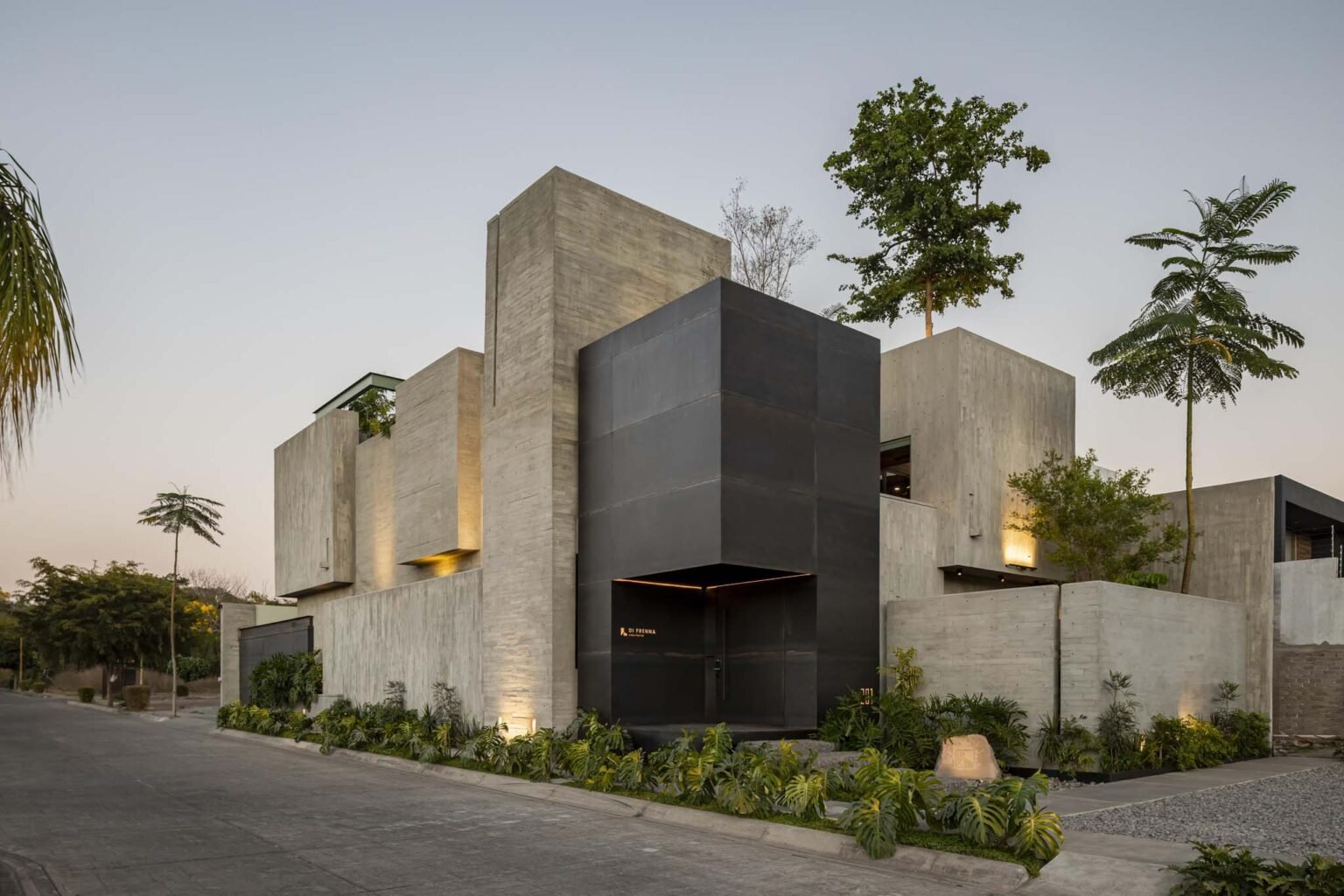
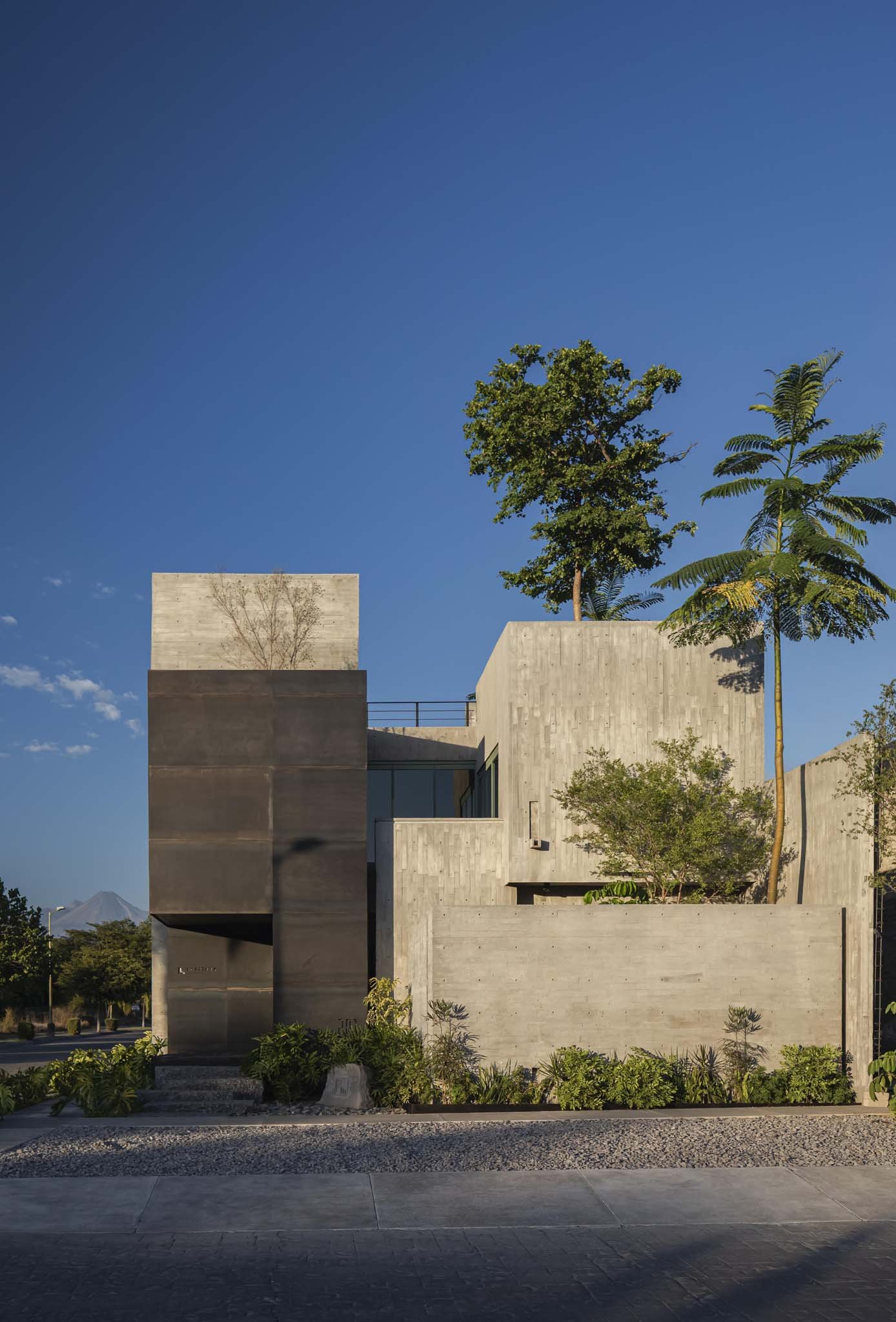
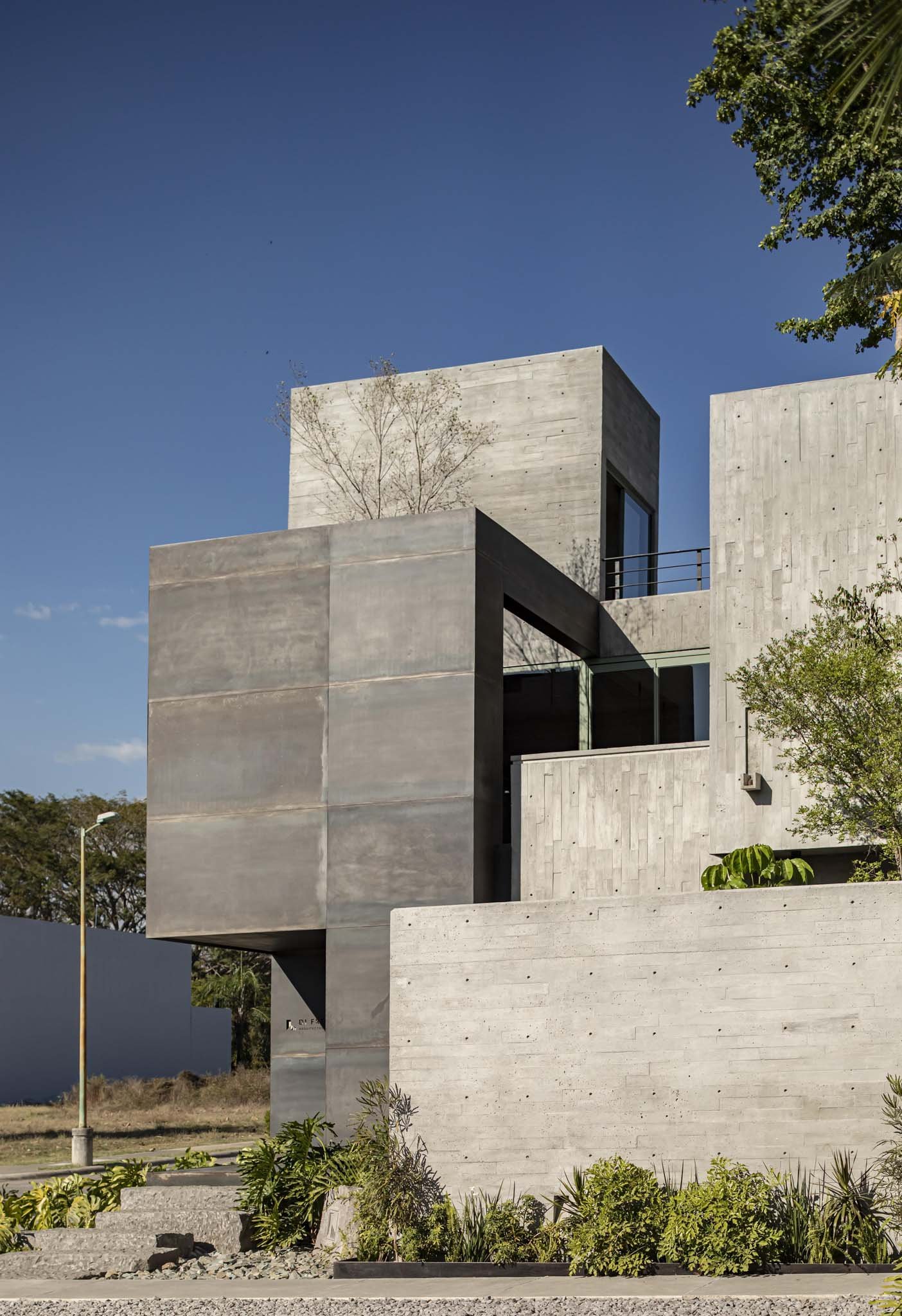
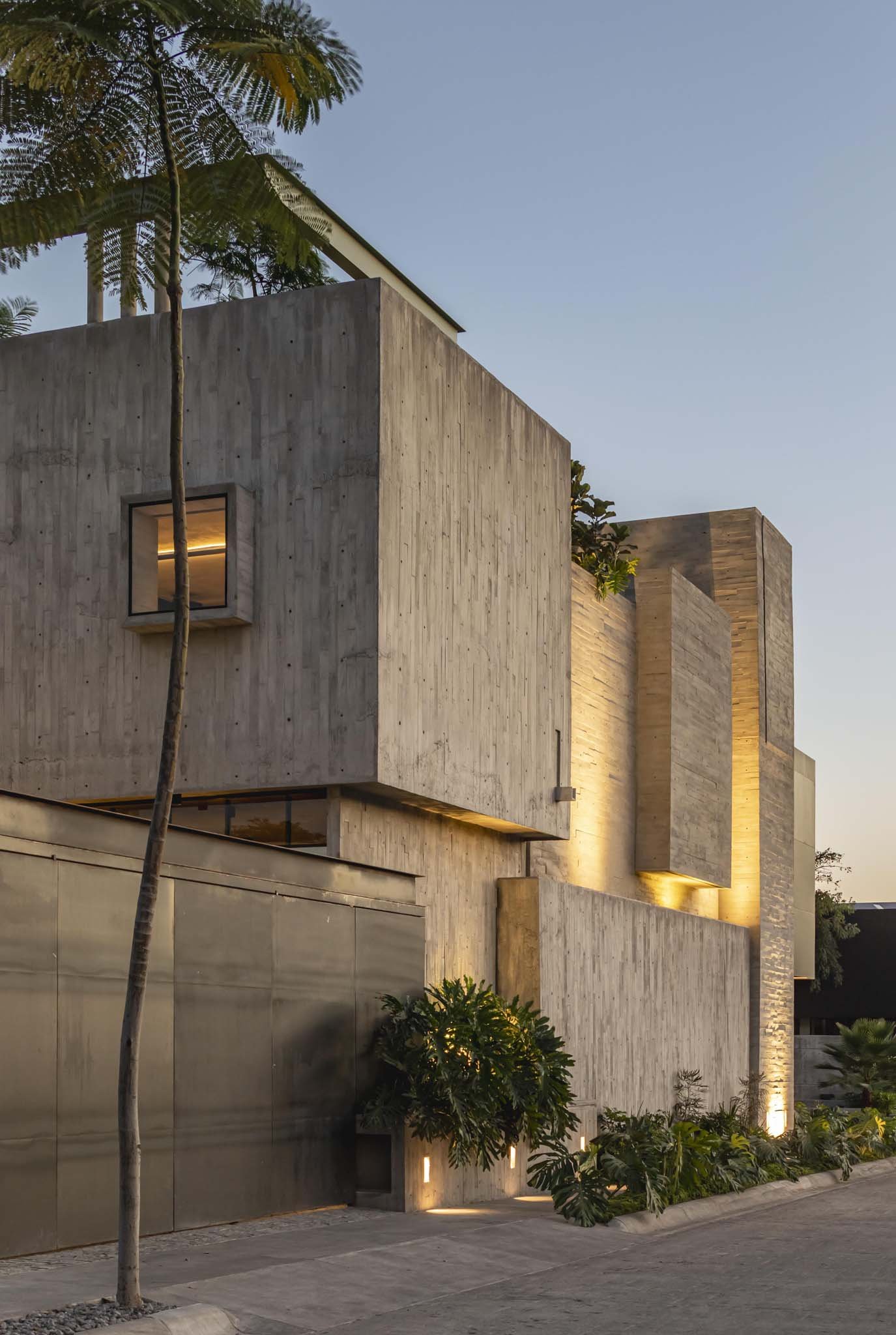
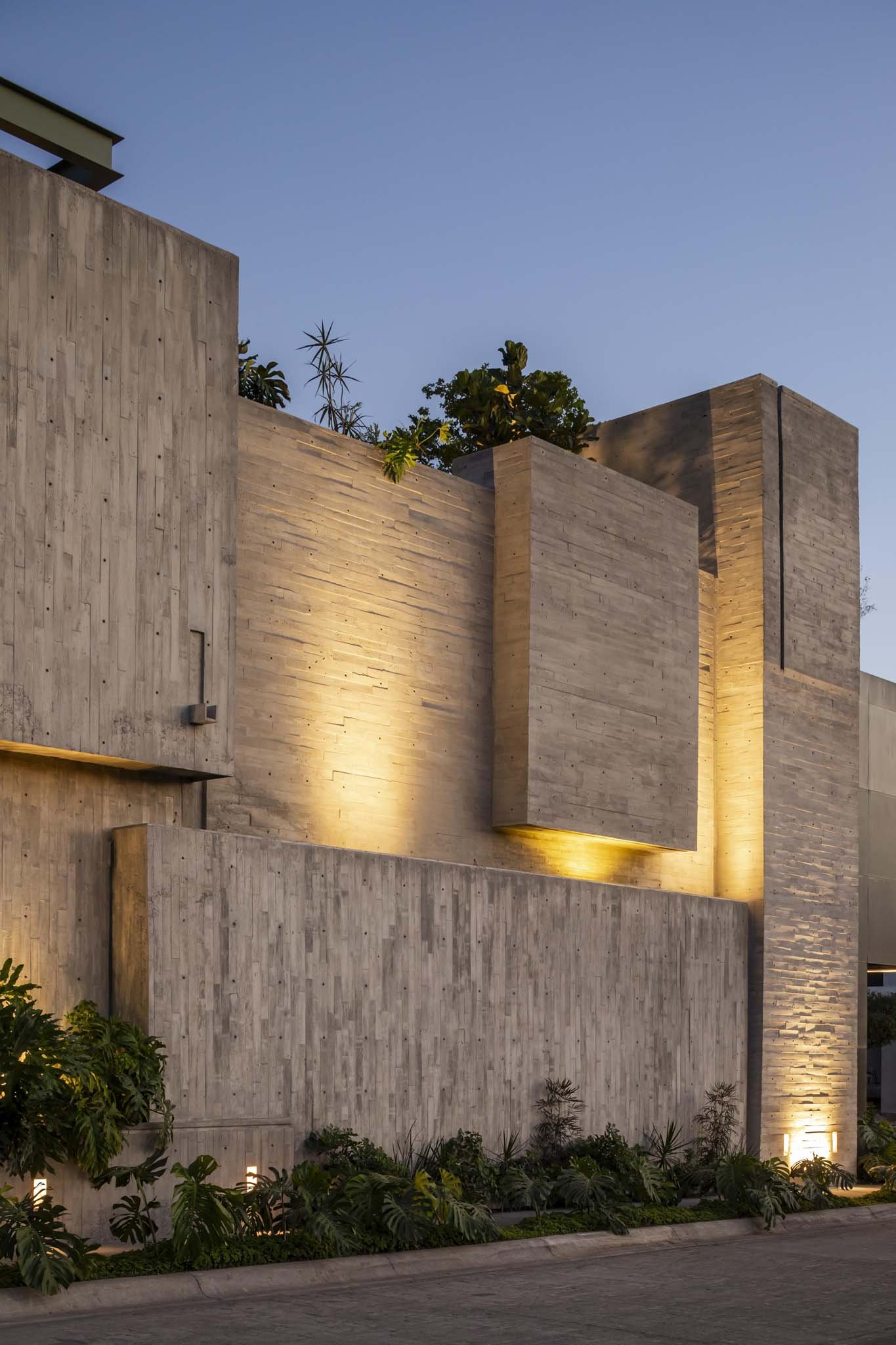
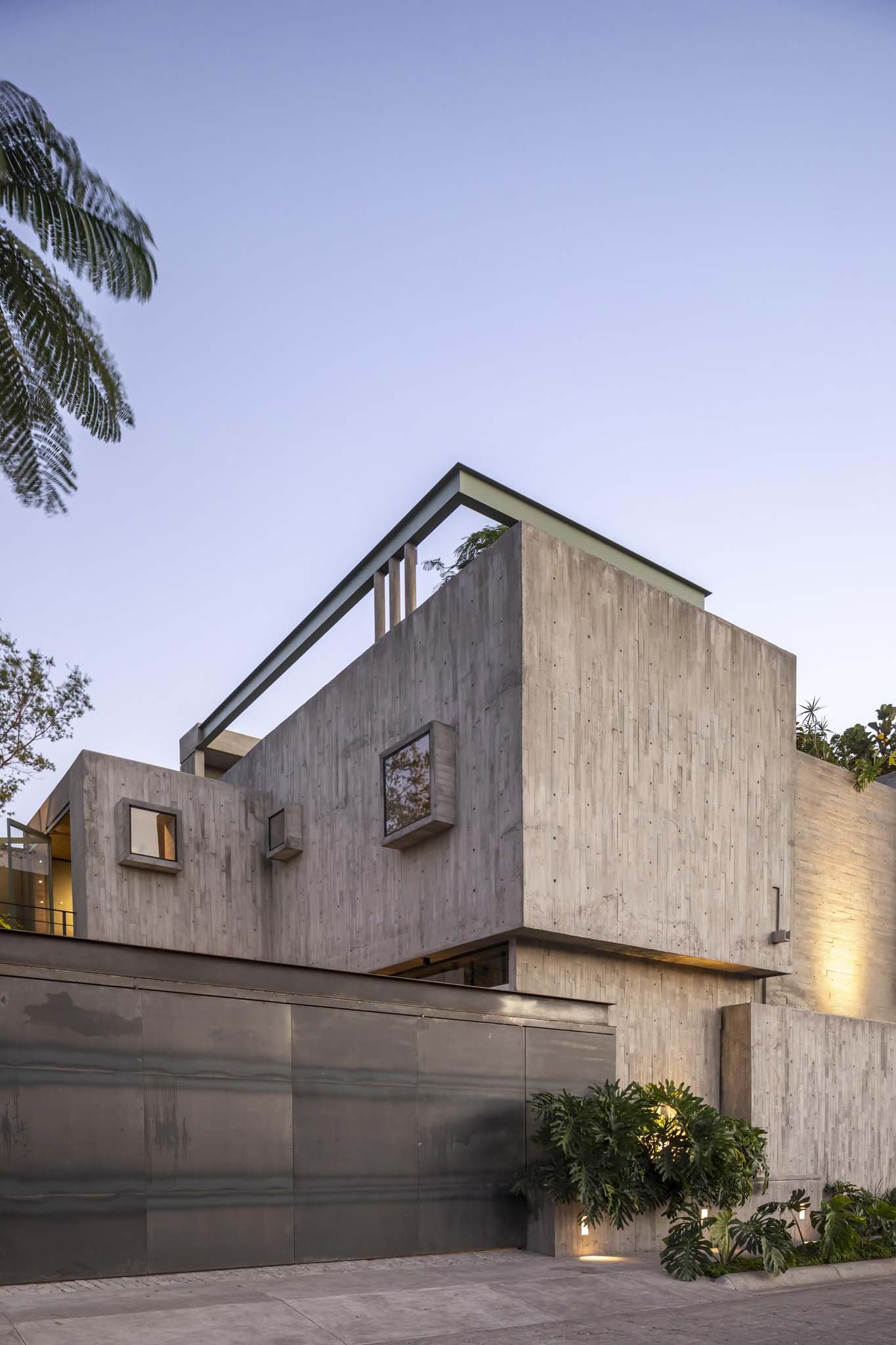
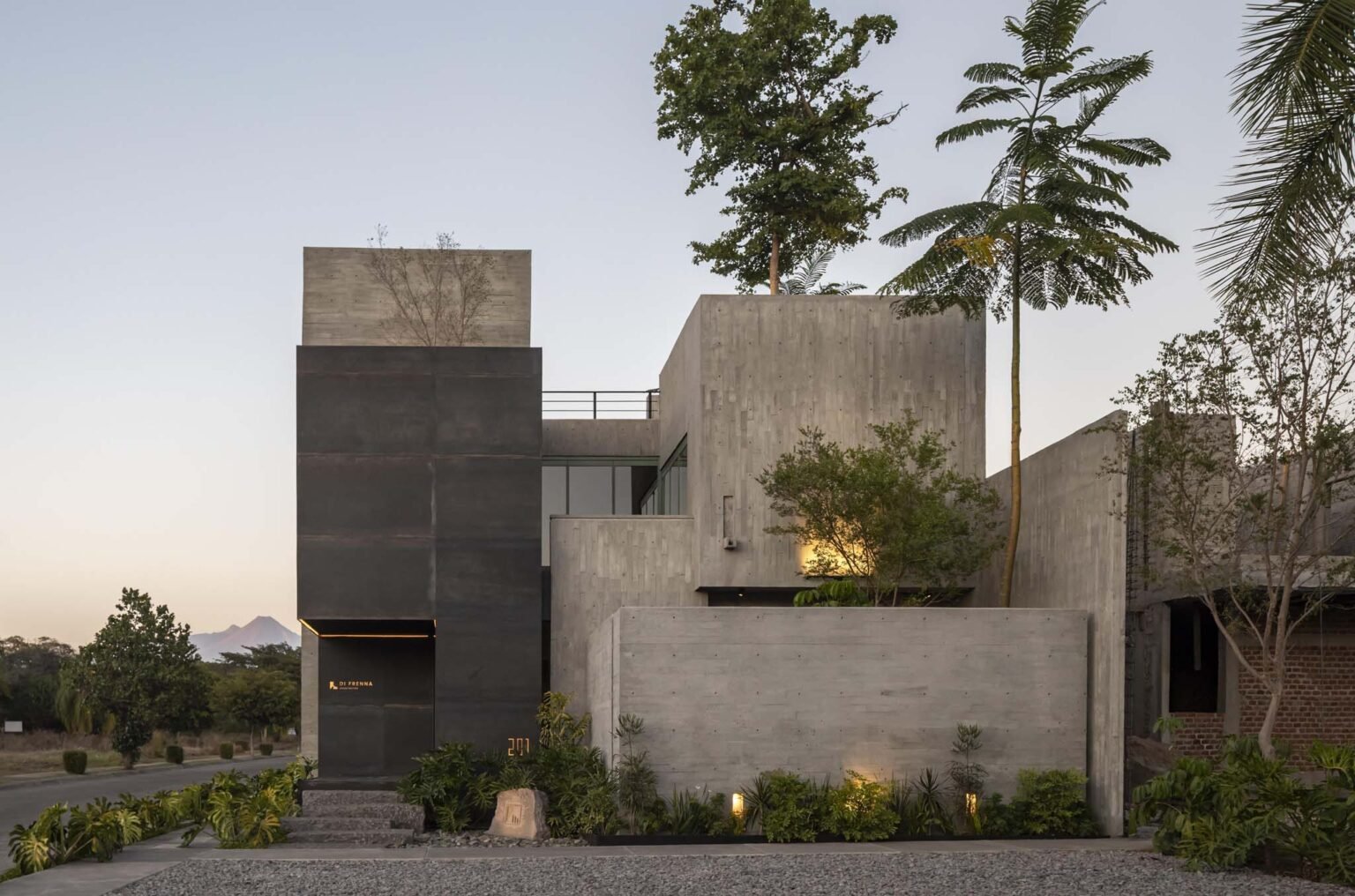
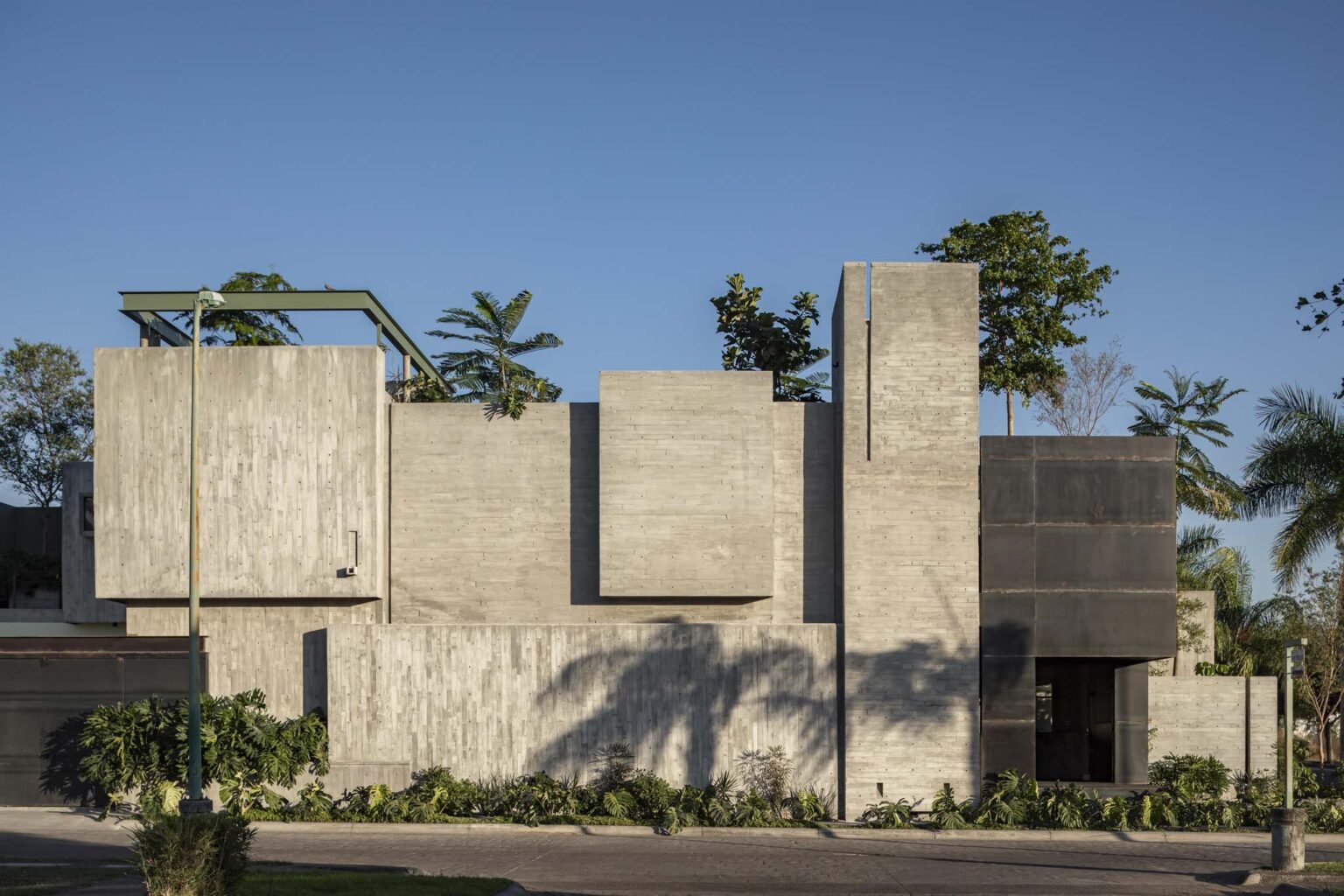
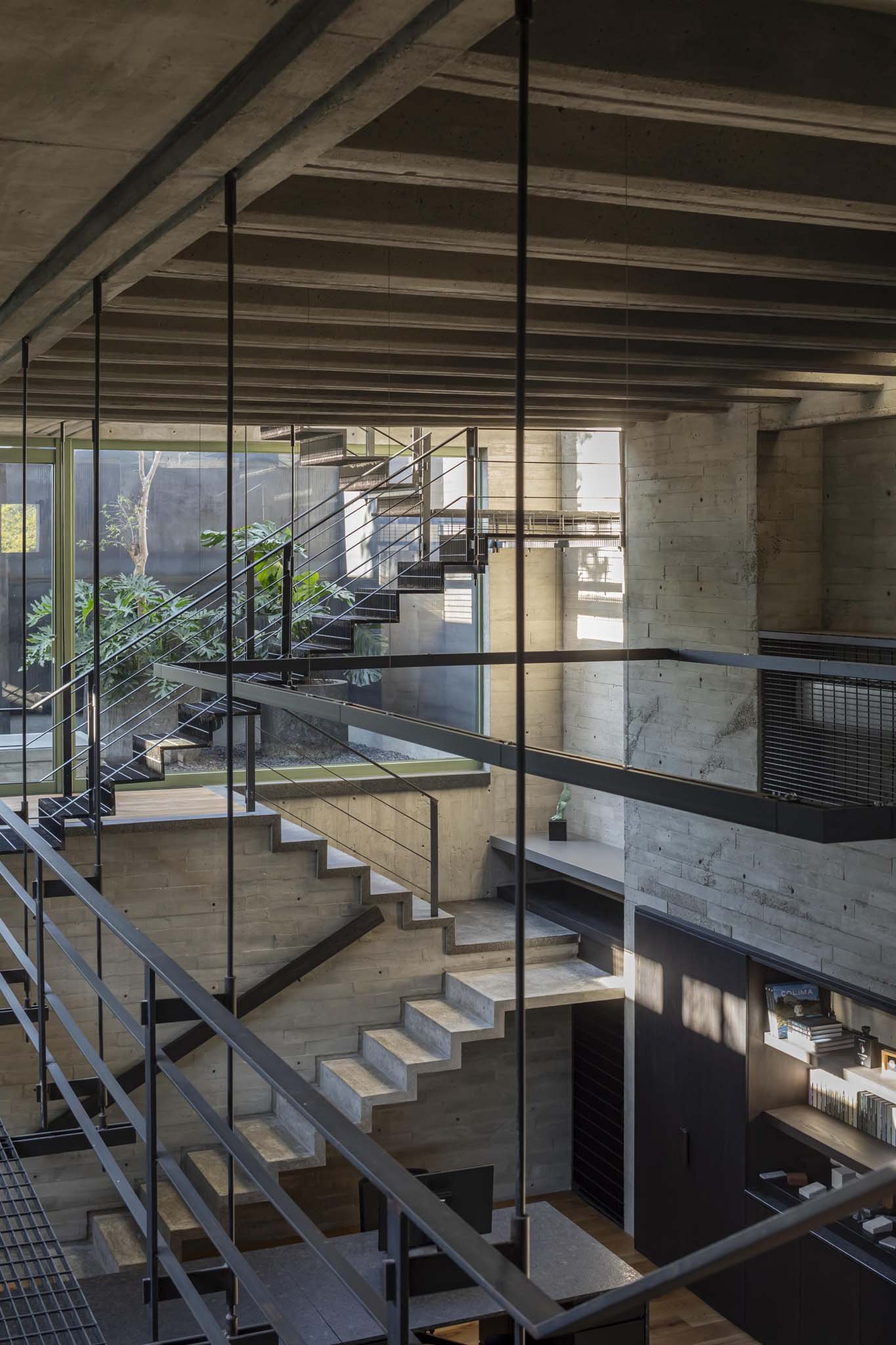
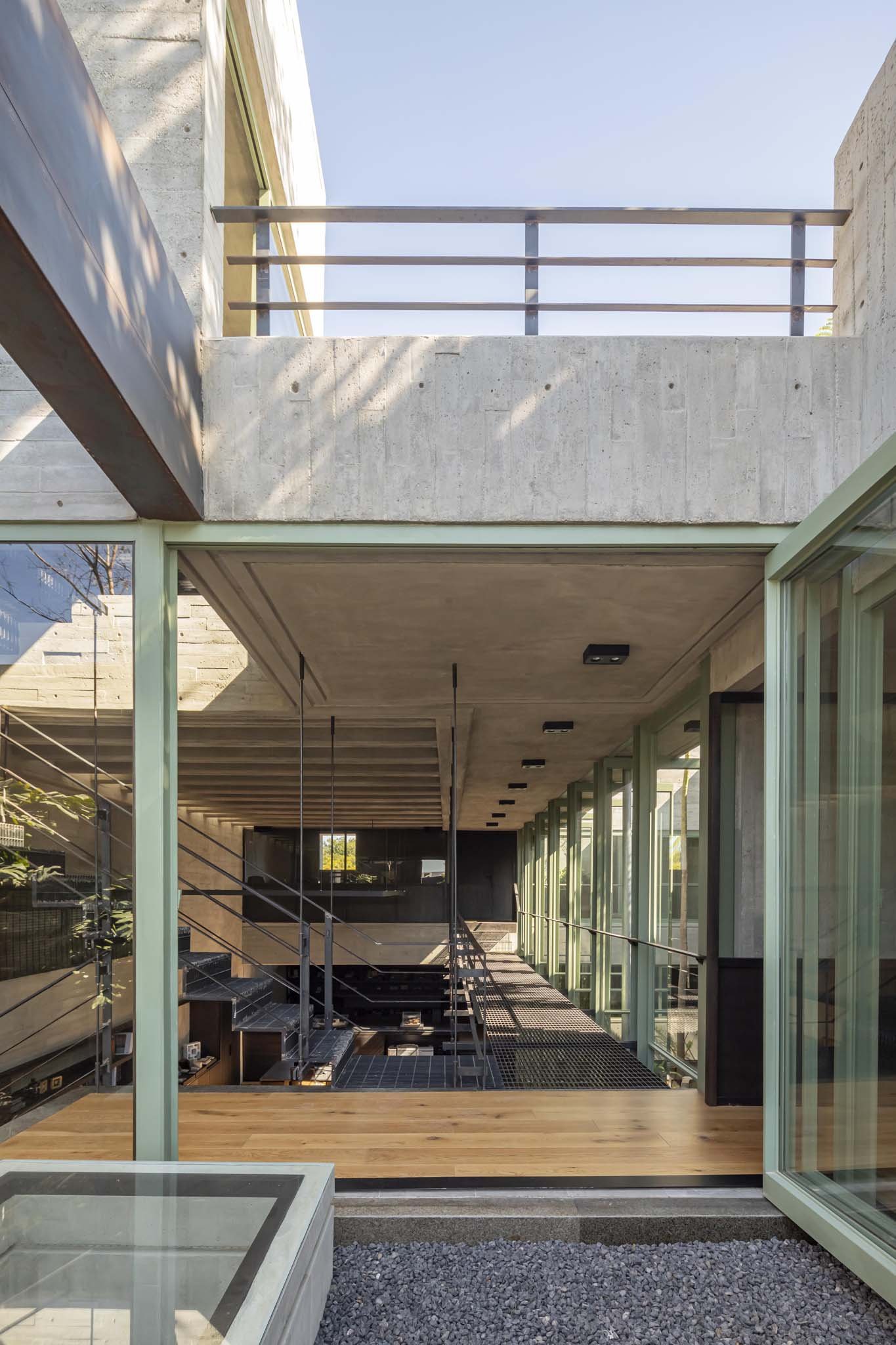
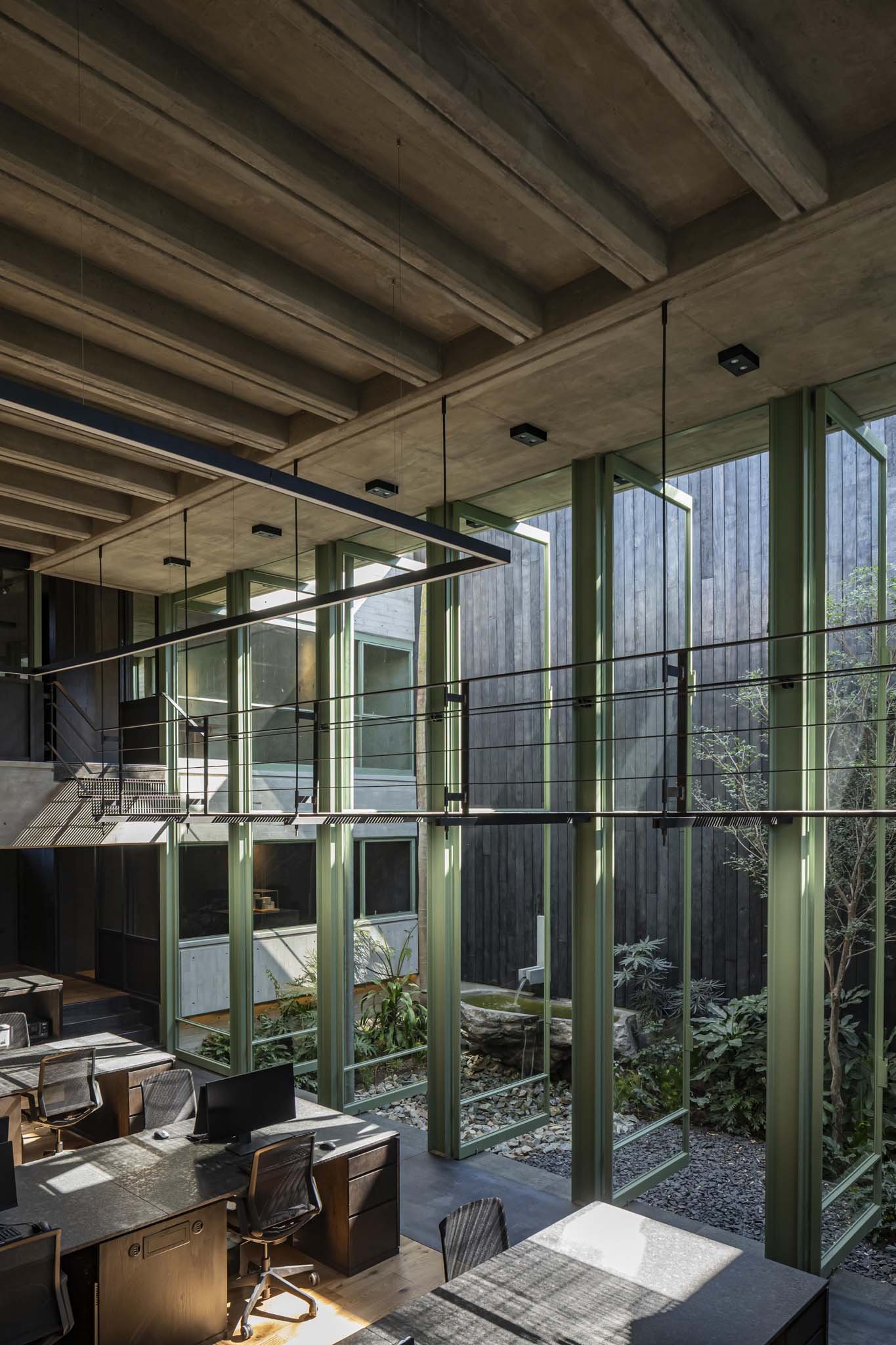
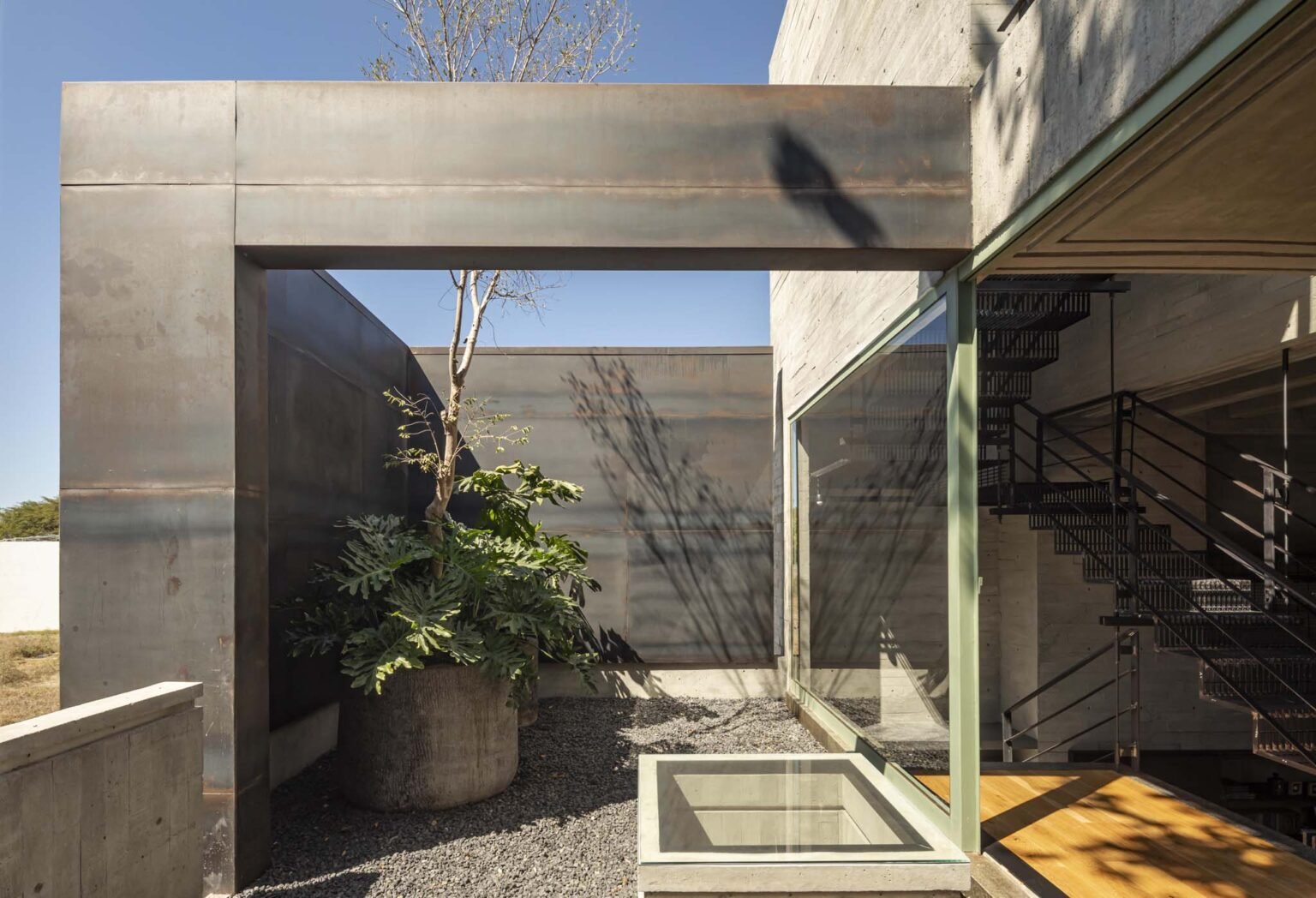
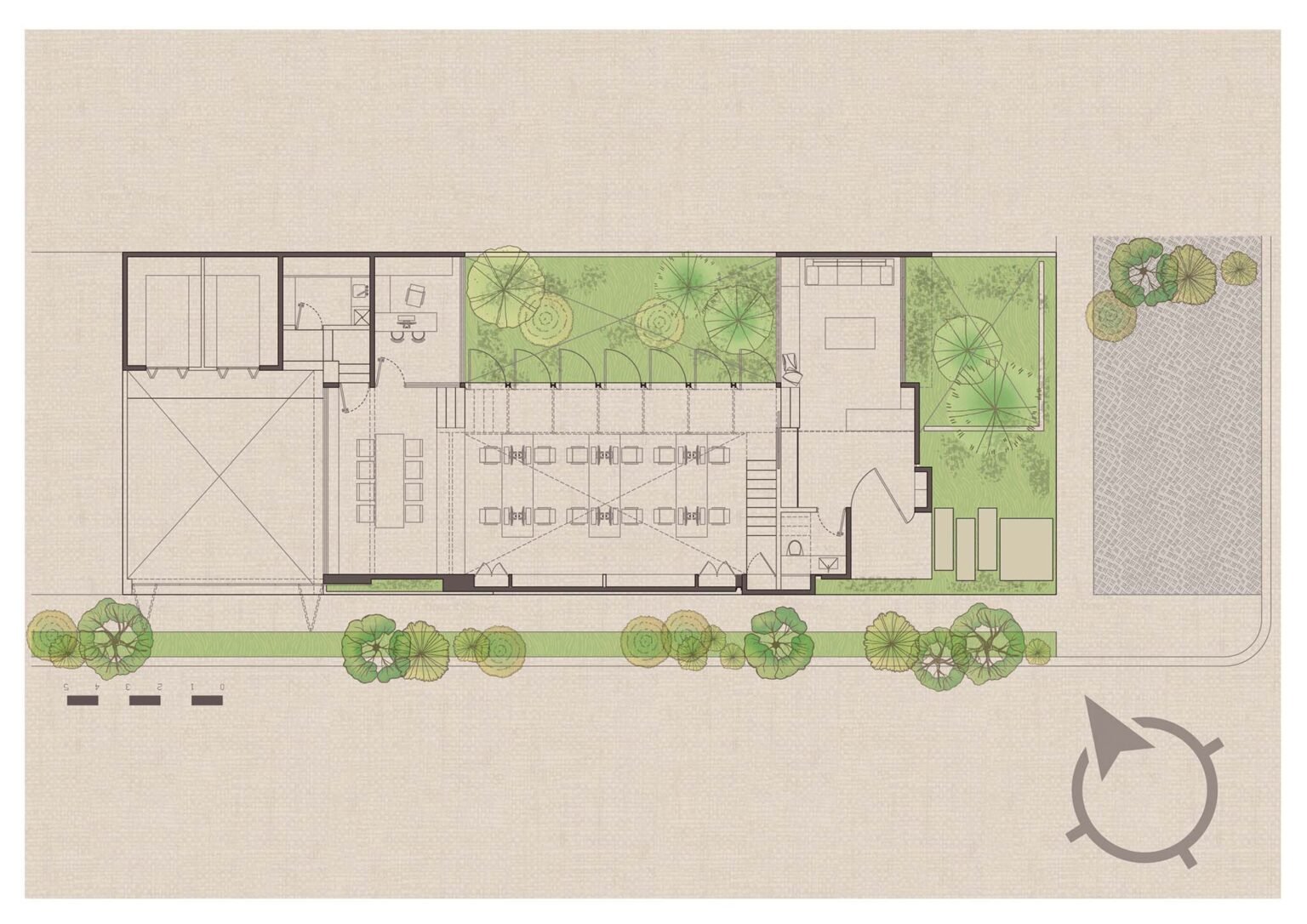
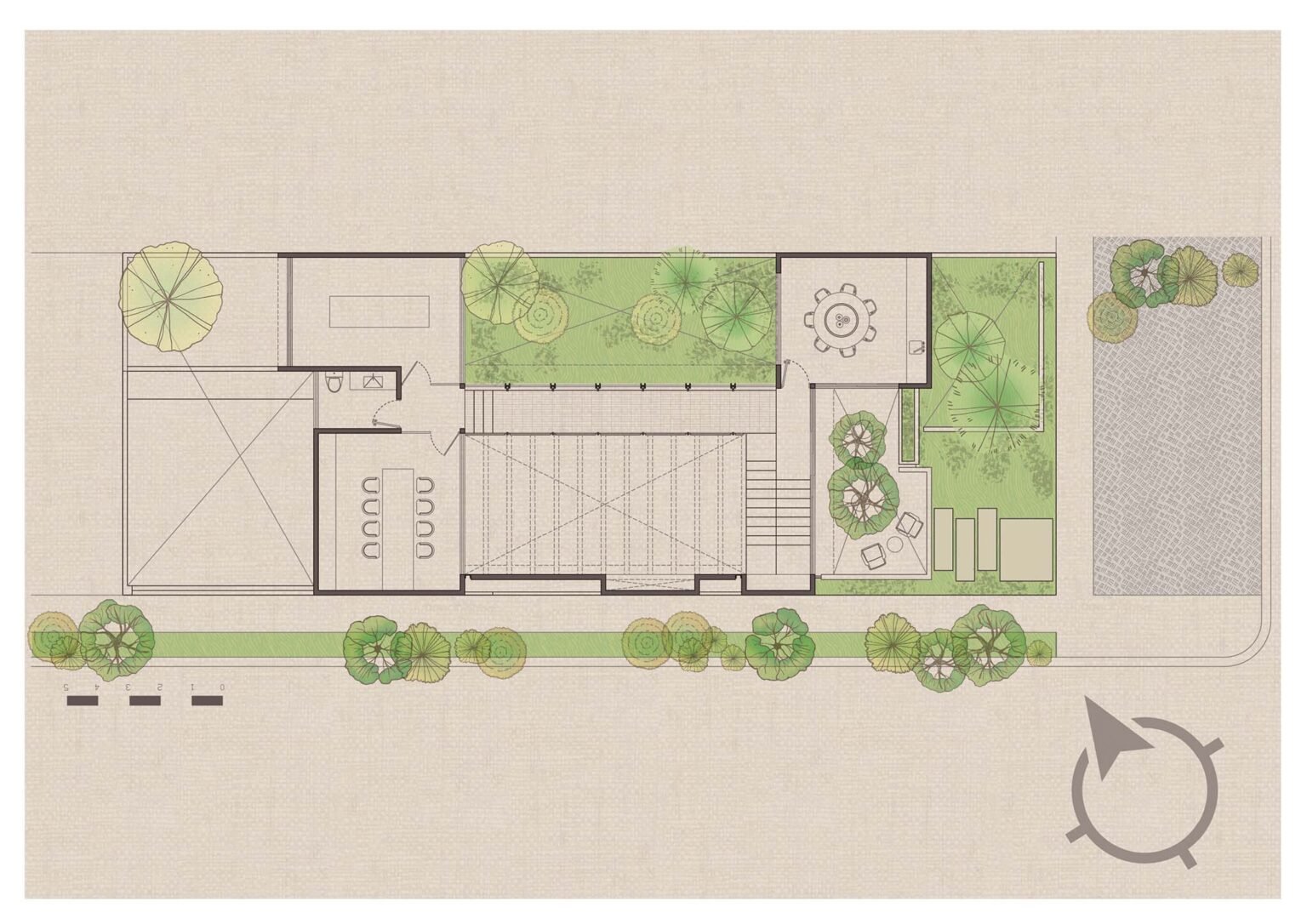
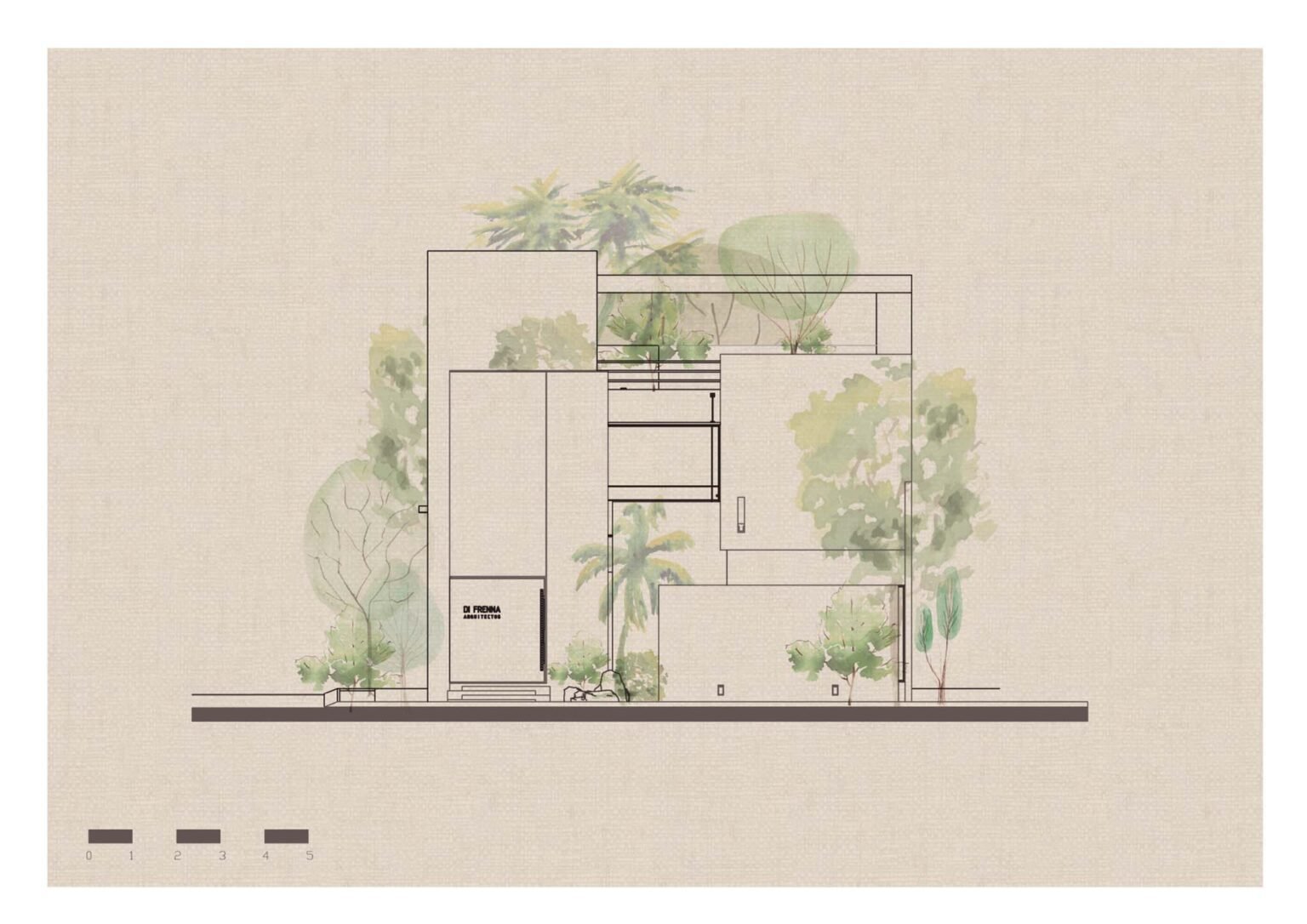
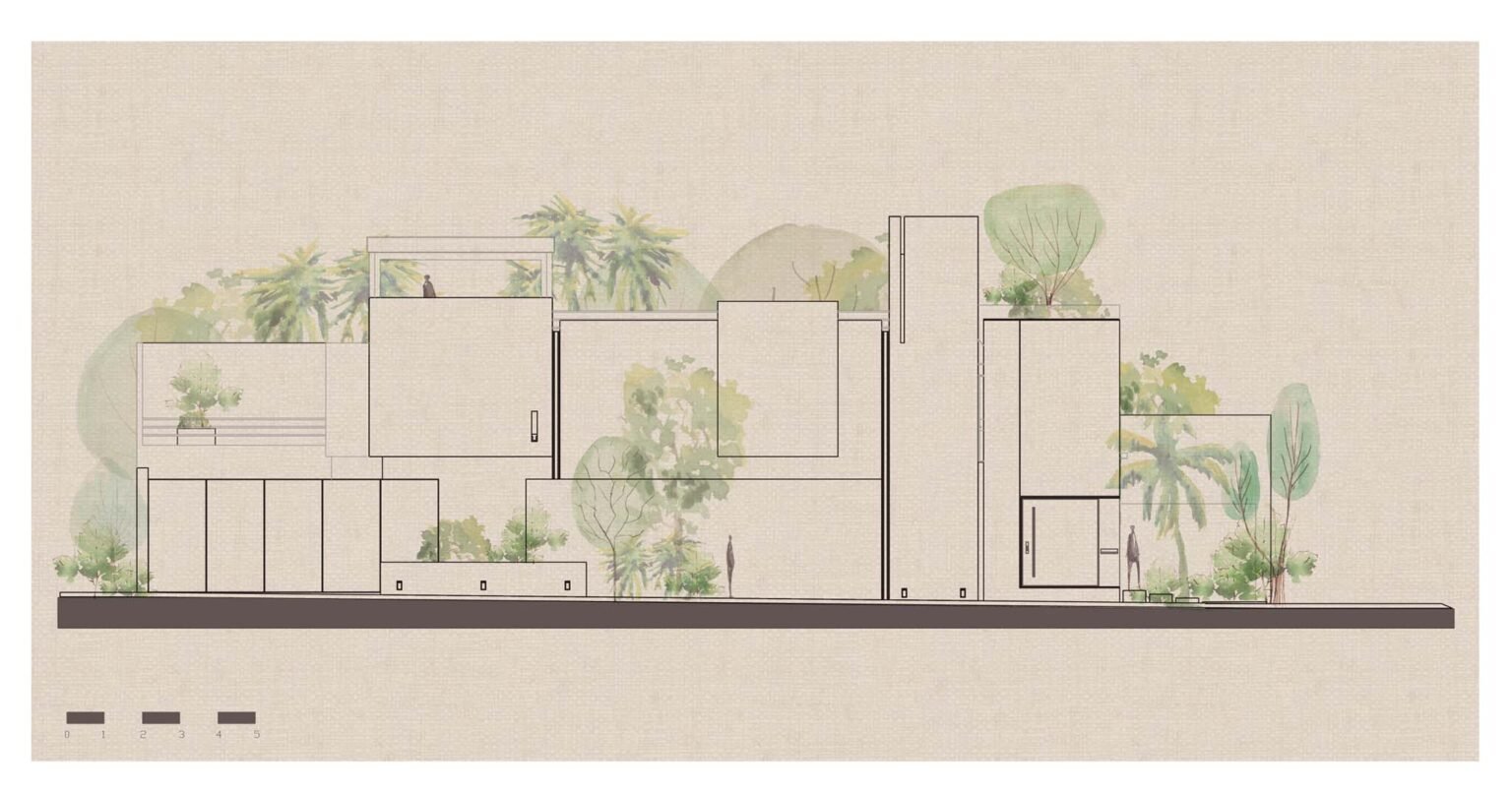
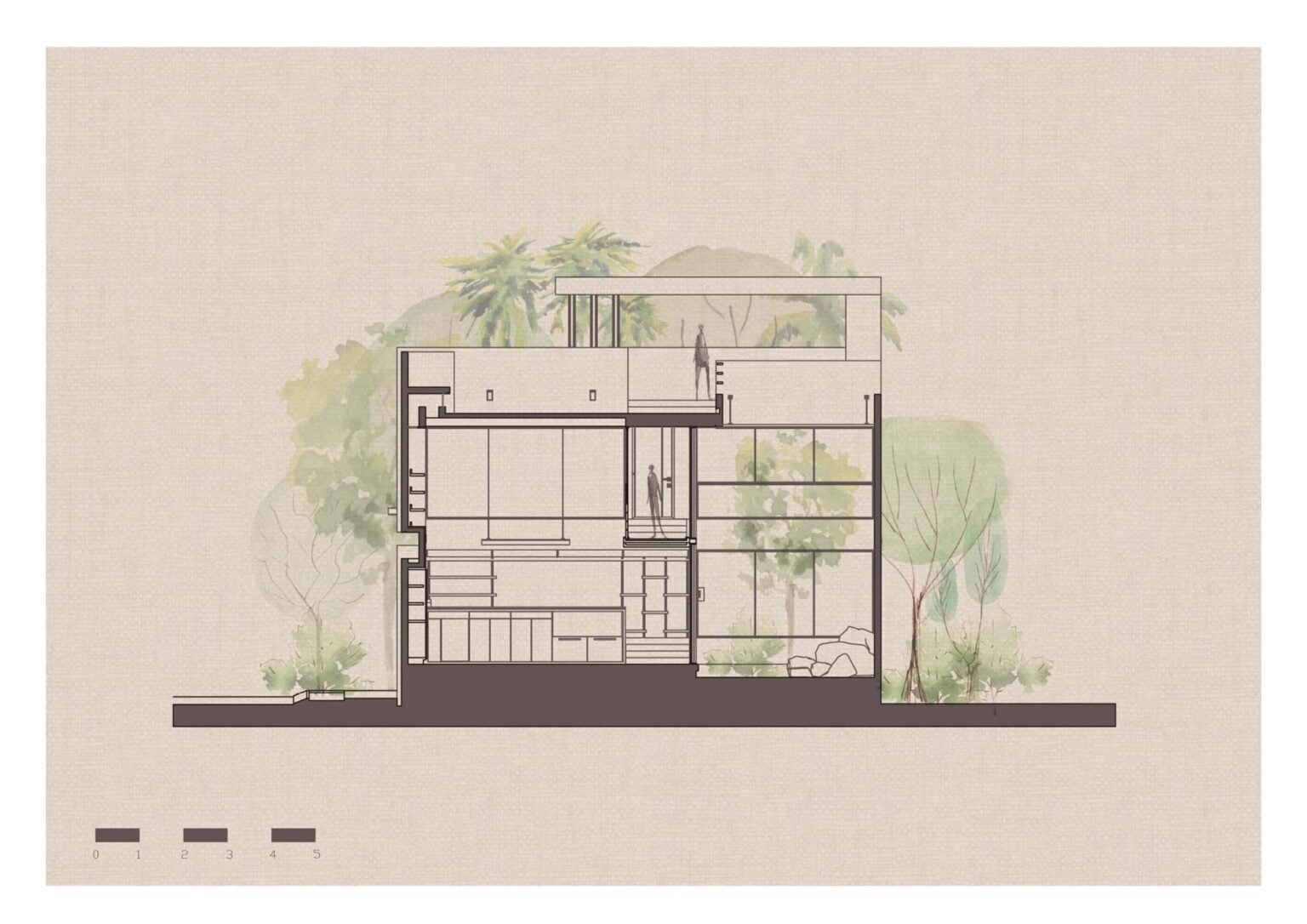
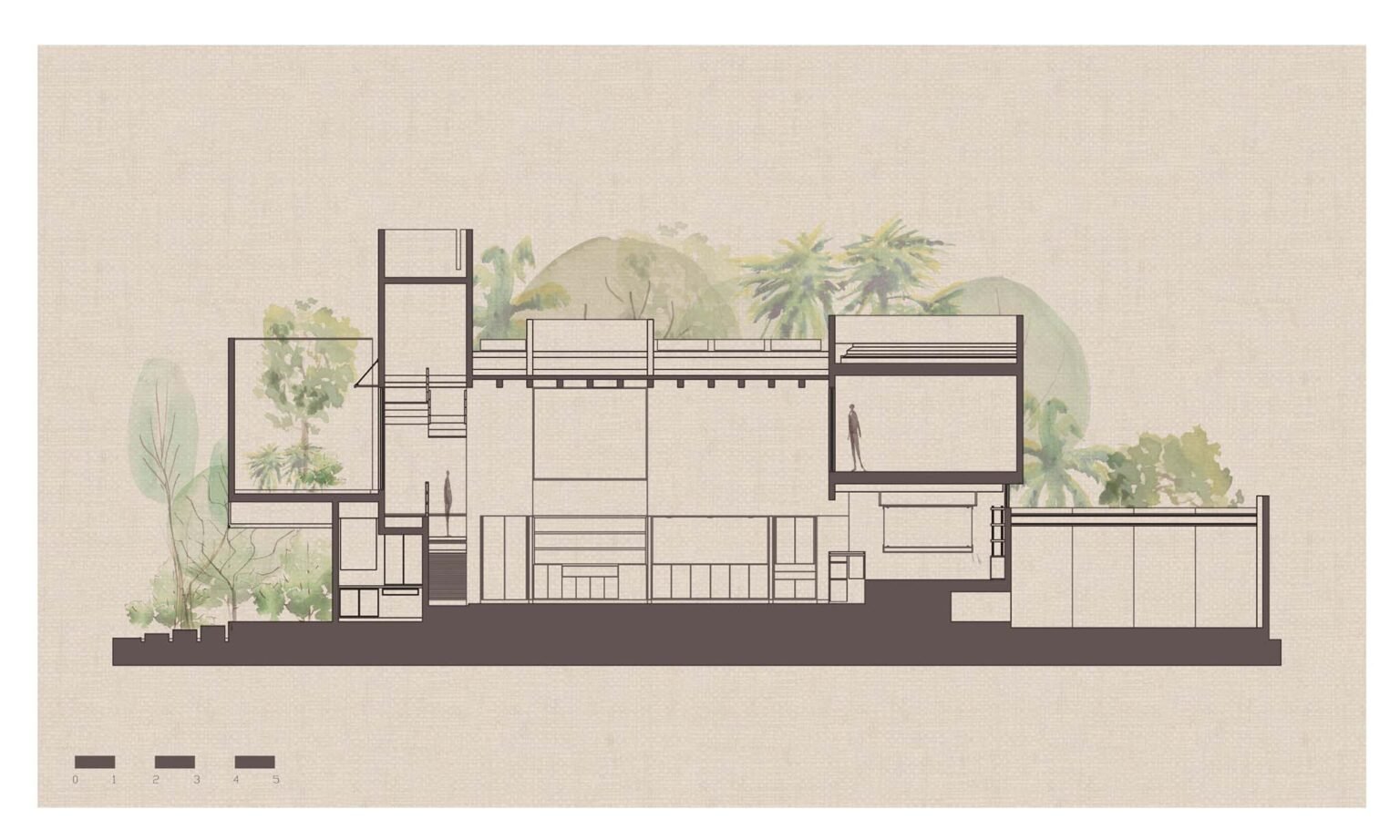
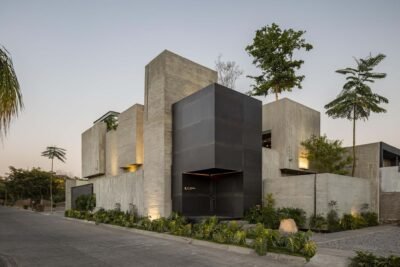
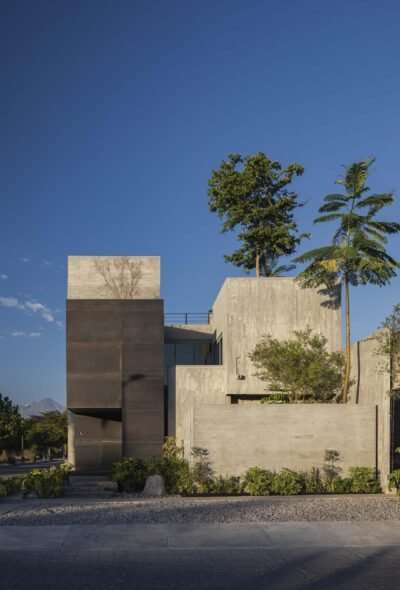
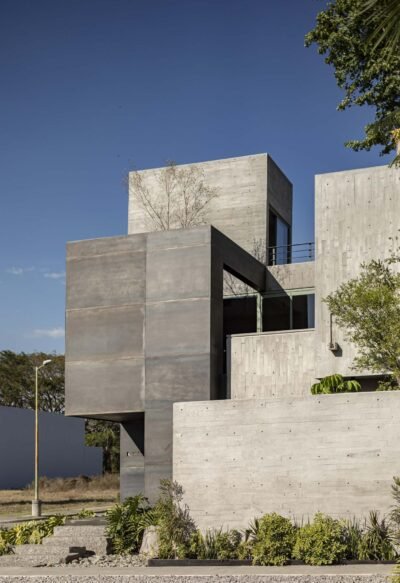
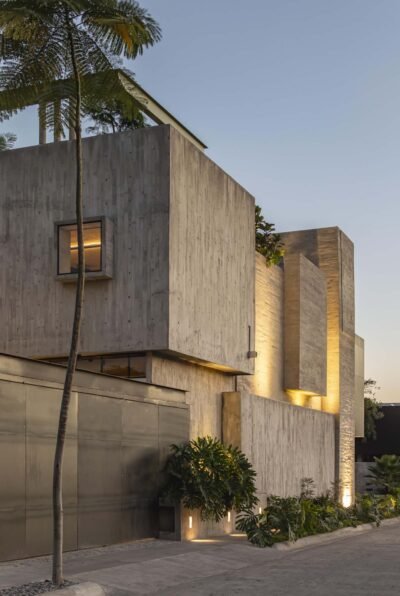
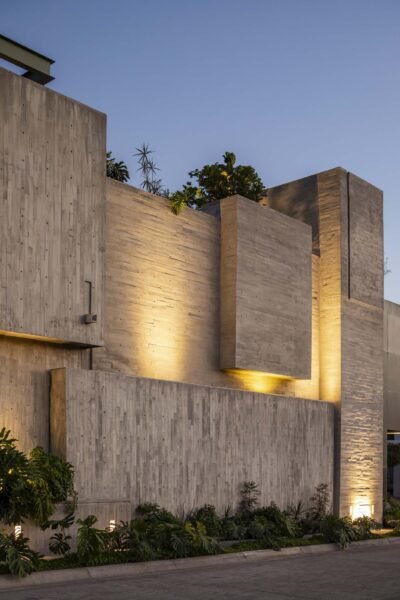
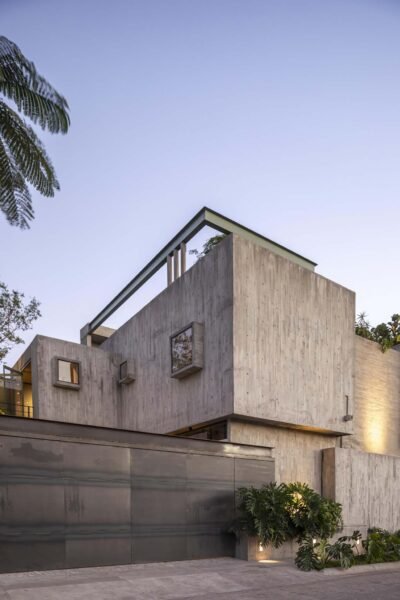
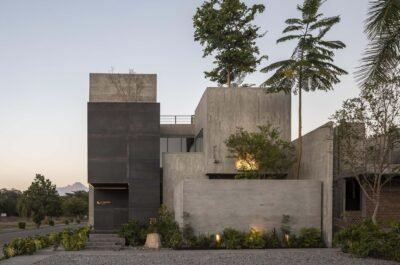
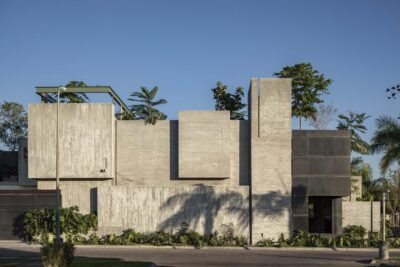
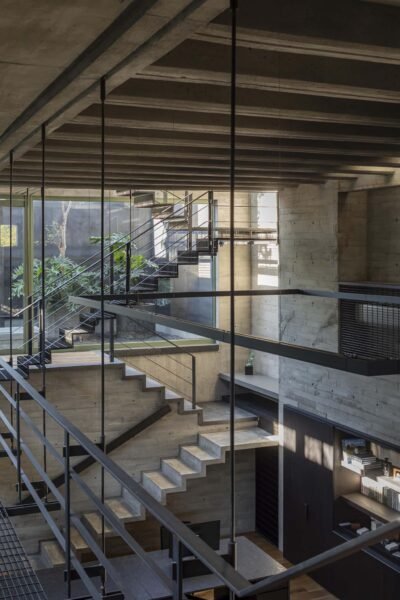
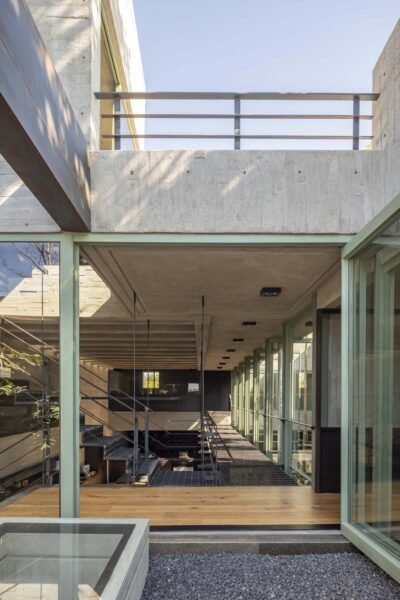
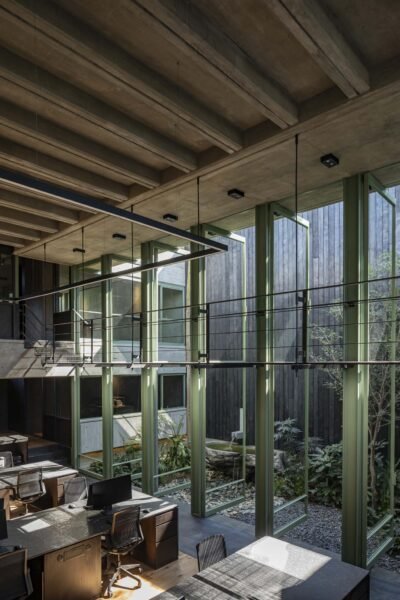
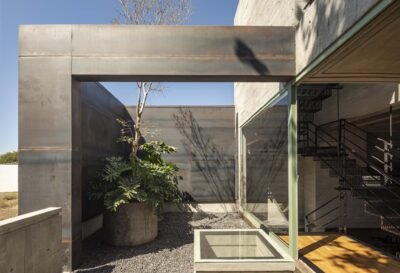
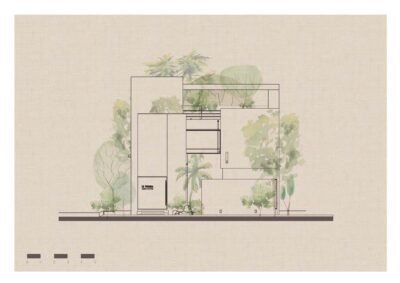
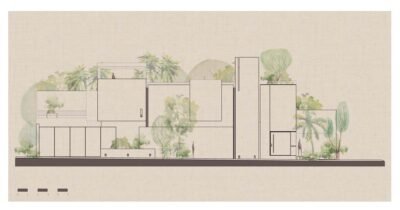
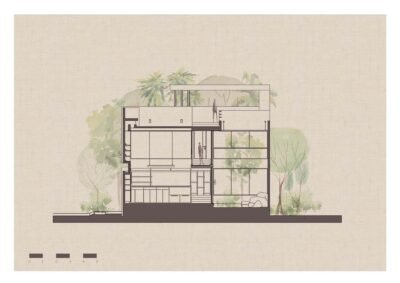
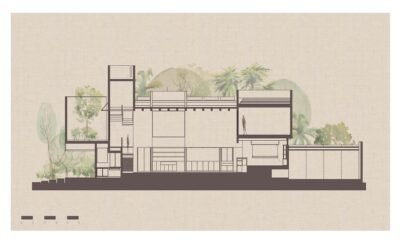
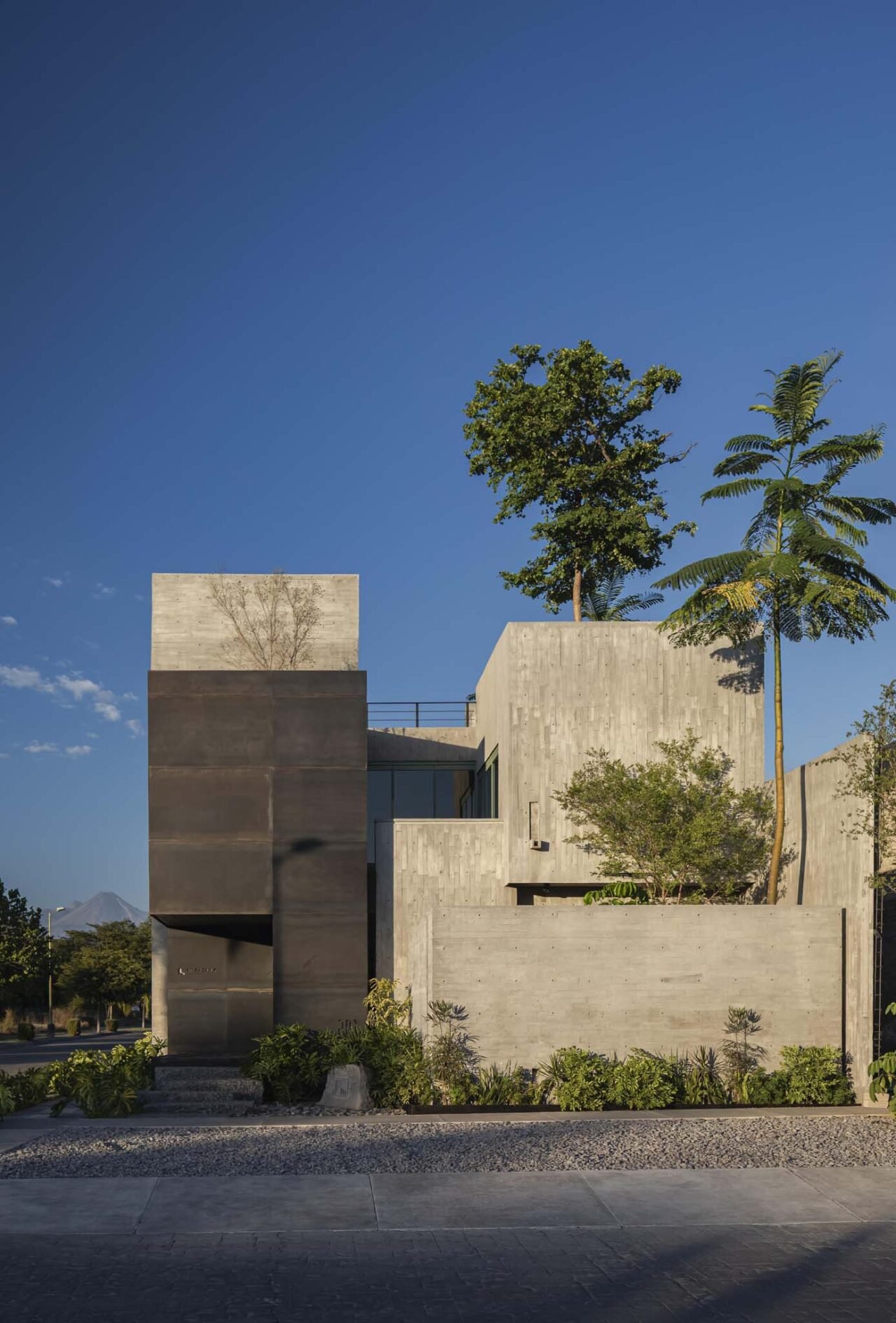
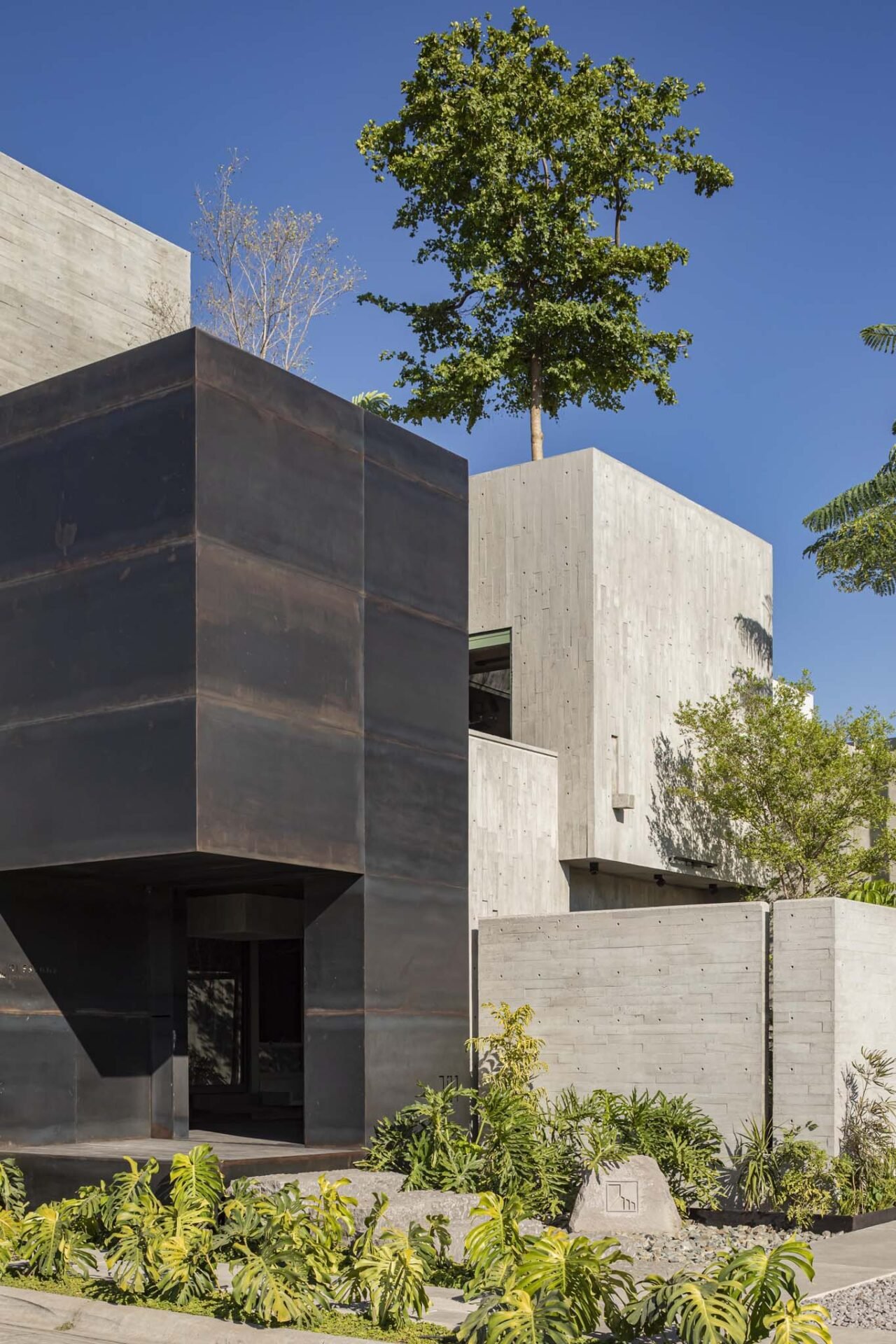
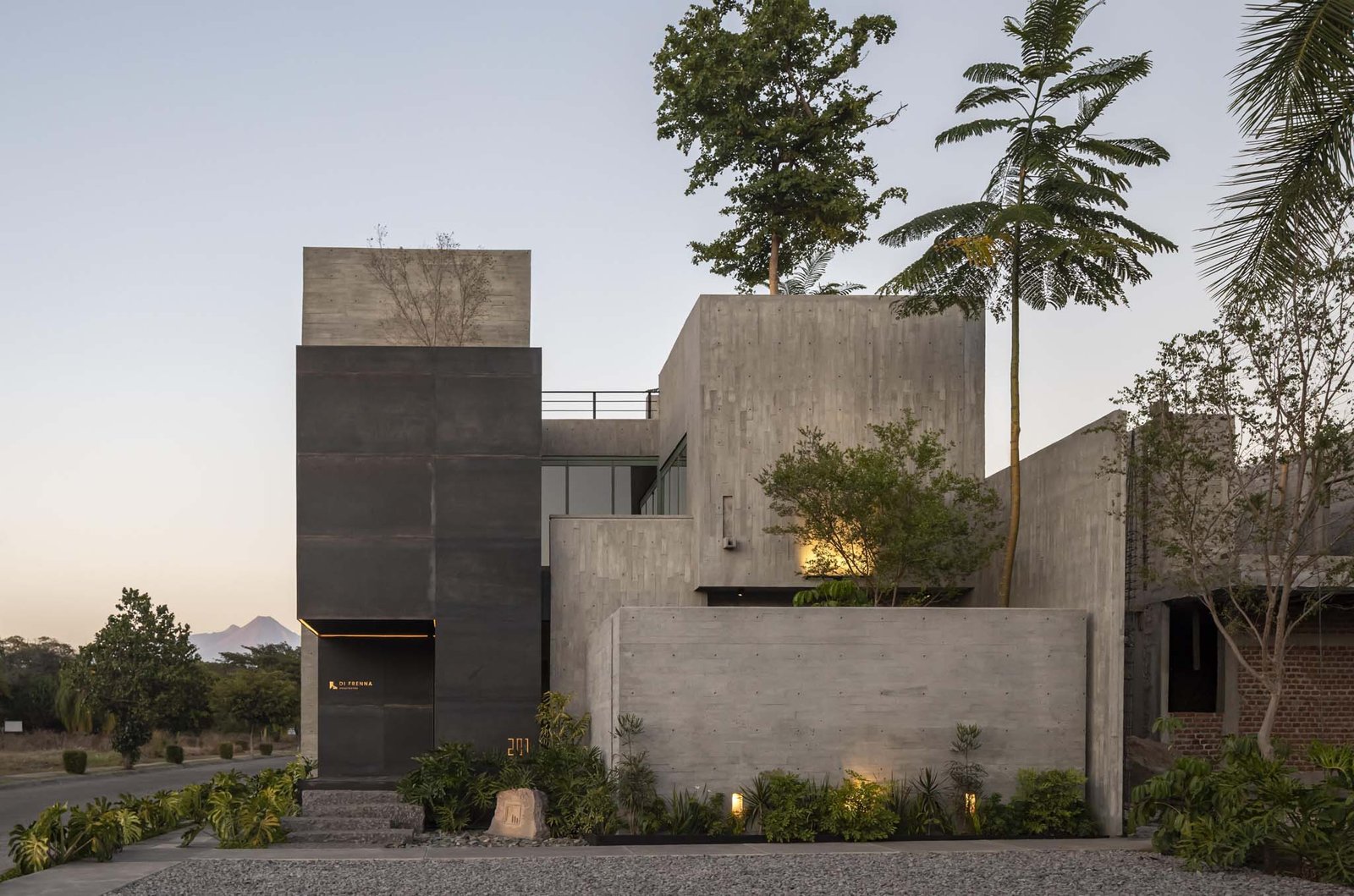
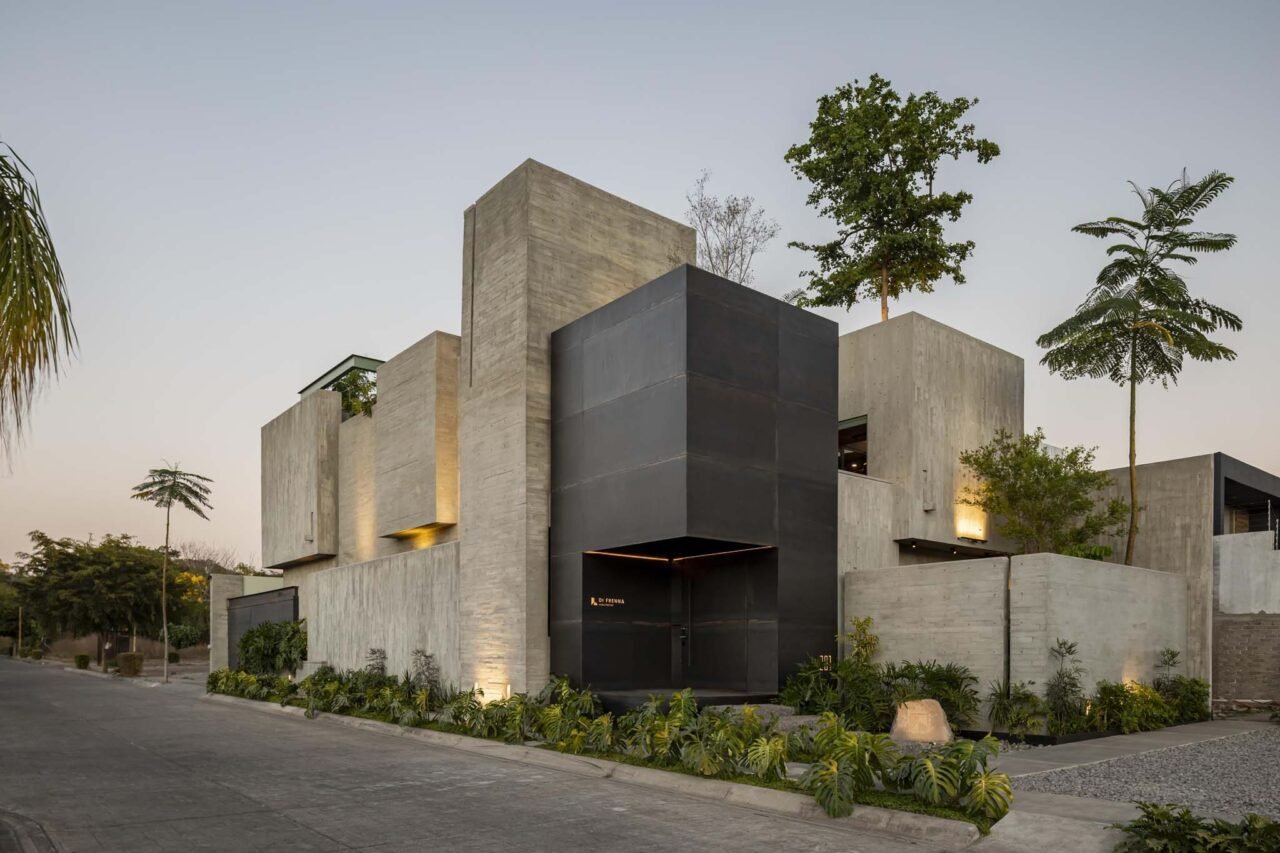
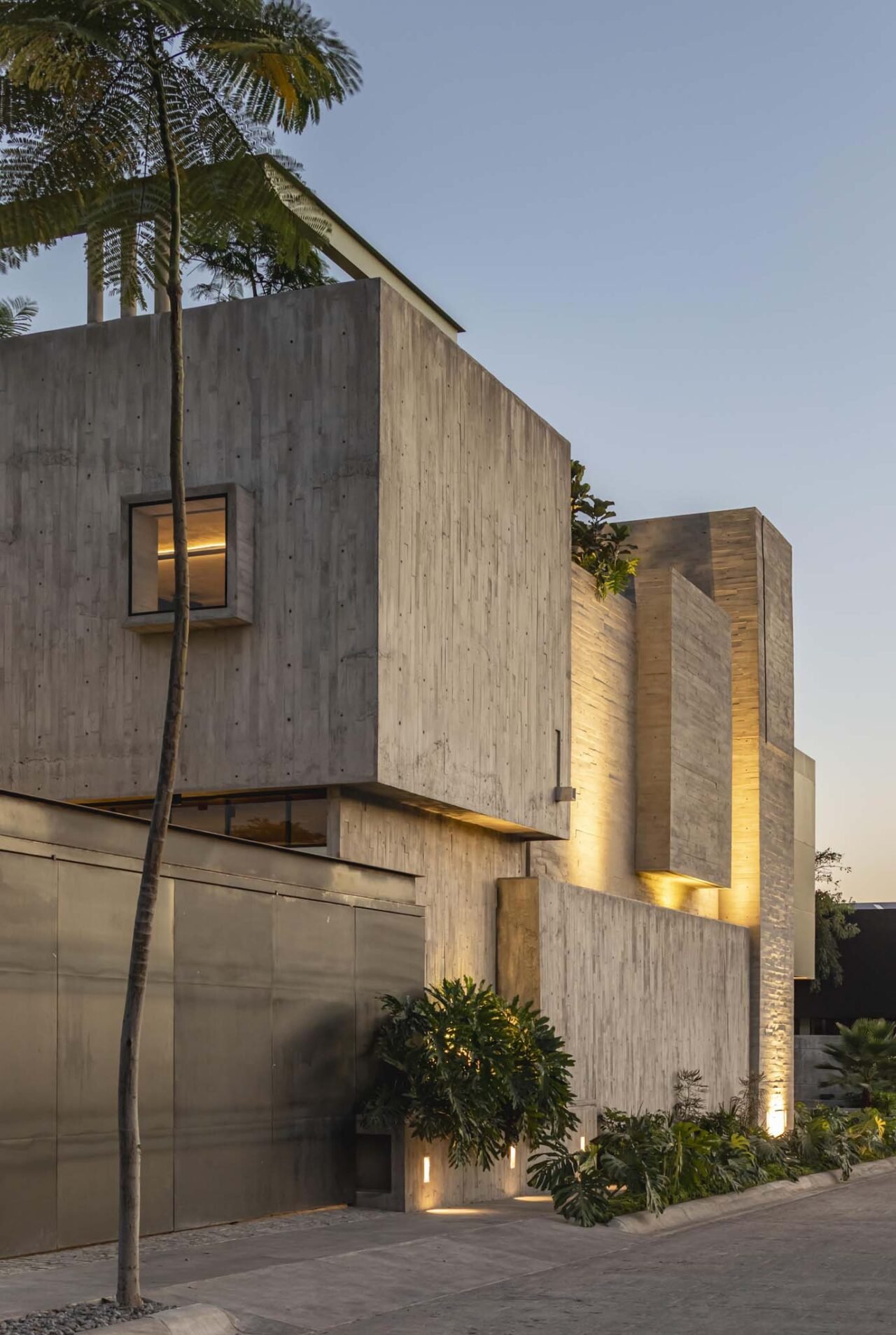
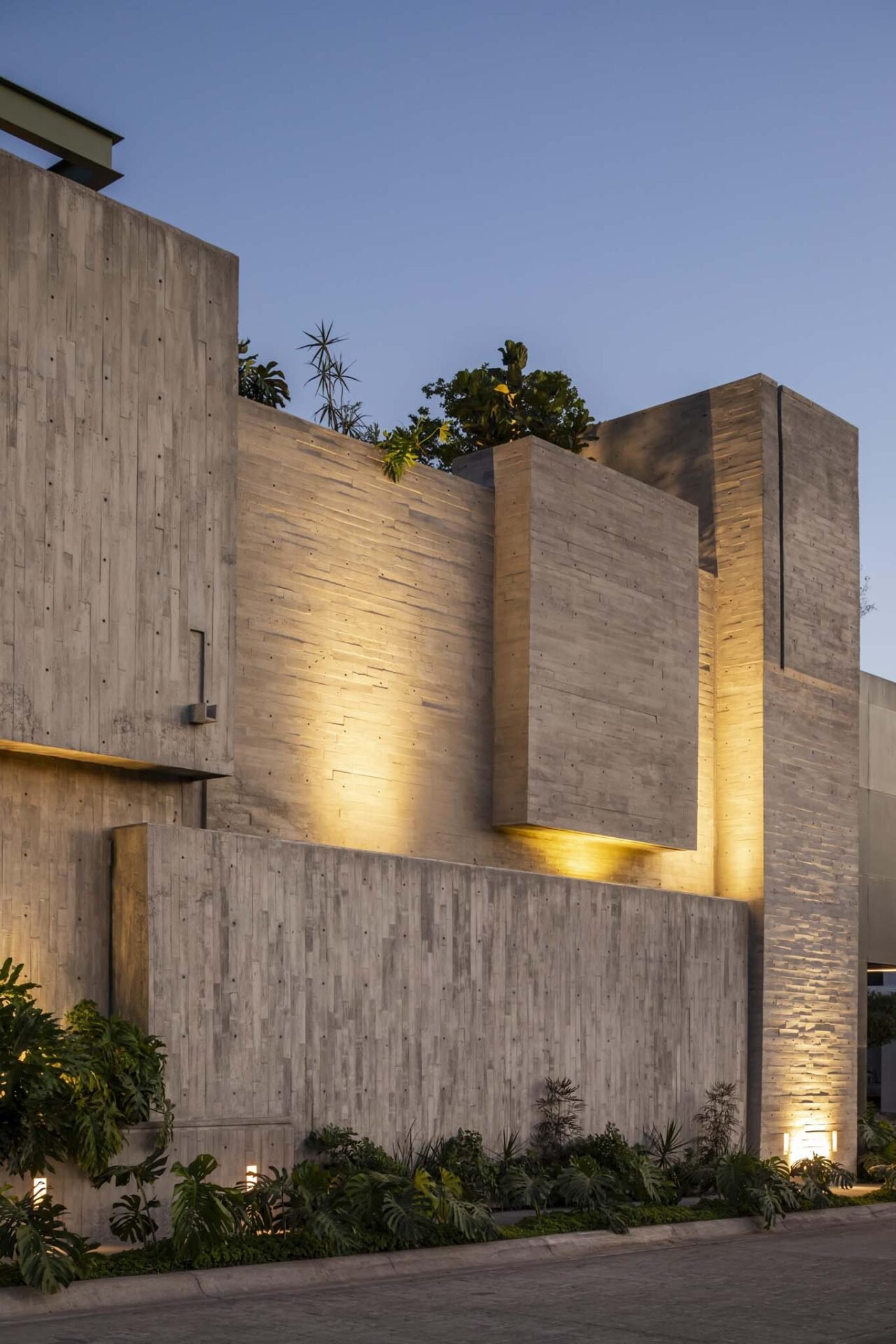
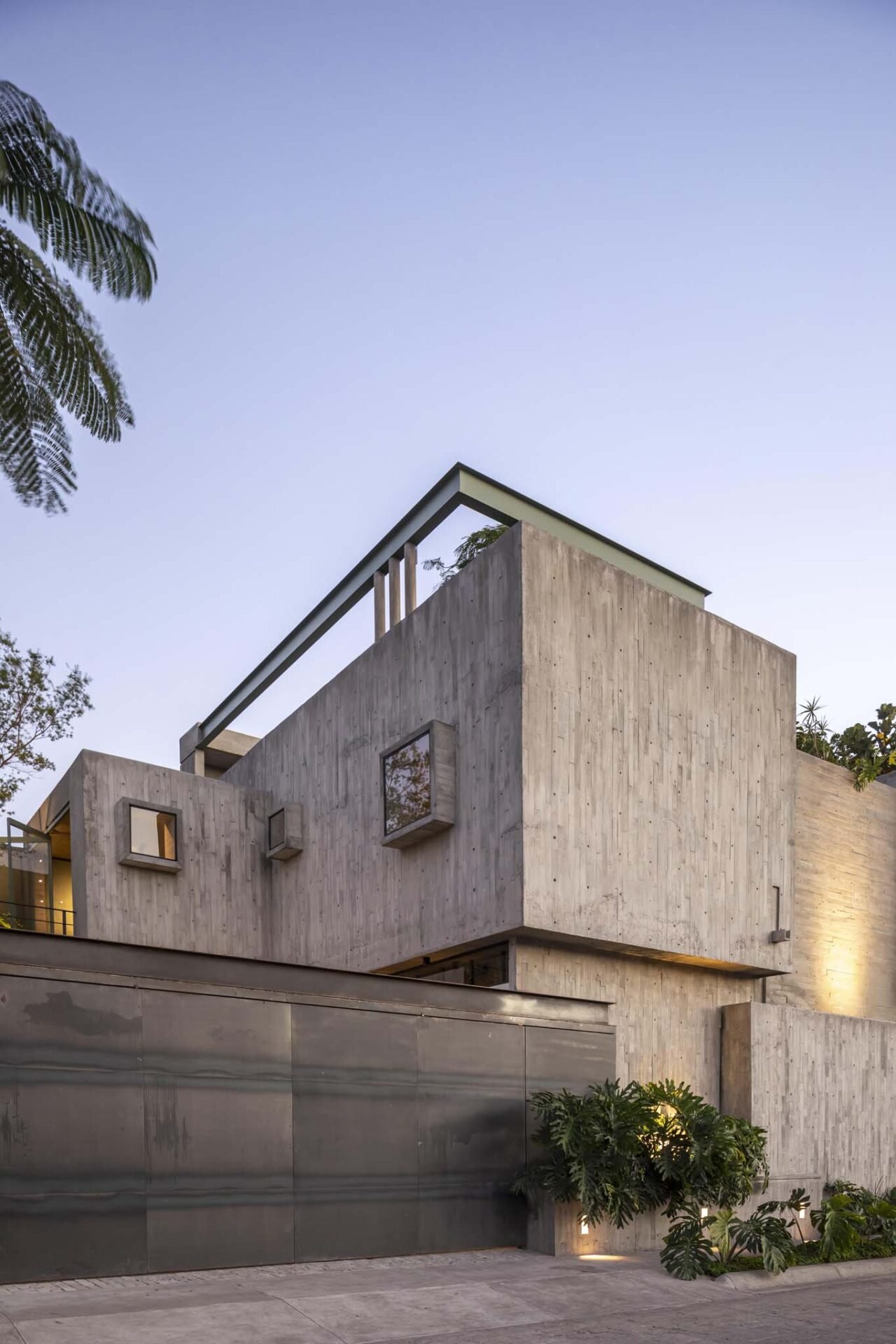
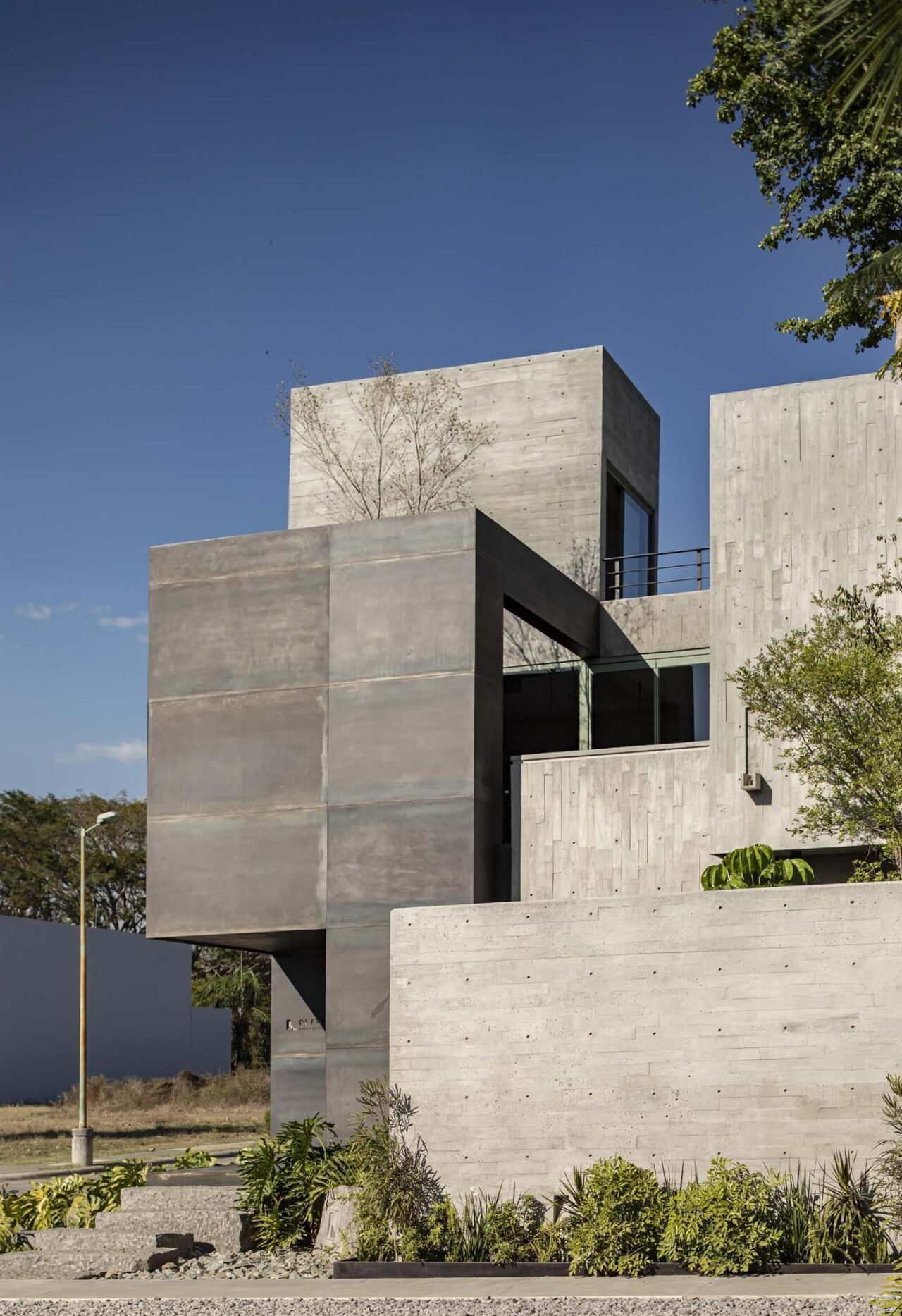
Taller Di Frenna Arquitectos has created its own architecture studio in Colima, Mexico. Conceived as both a workplace and a creative environment, the building brings together workspaces, meeting areas, audiovisual facilities, and interior courtyards within a series of clearly defined volumes. The project reflects the studio’s architectural approach through the use of exposed materials, experimentation with textures, and the integration of natural light and vegetation.
A studio designed as a working environment
The new headquarters of Taller Di Frenna Arquitectos was conceived as a space where architectural practice and creative exploration coexist. Located in Colima, the building accommodates the studio’s daily activities while also serving as a space for experimentation, research, and collaboration.
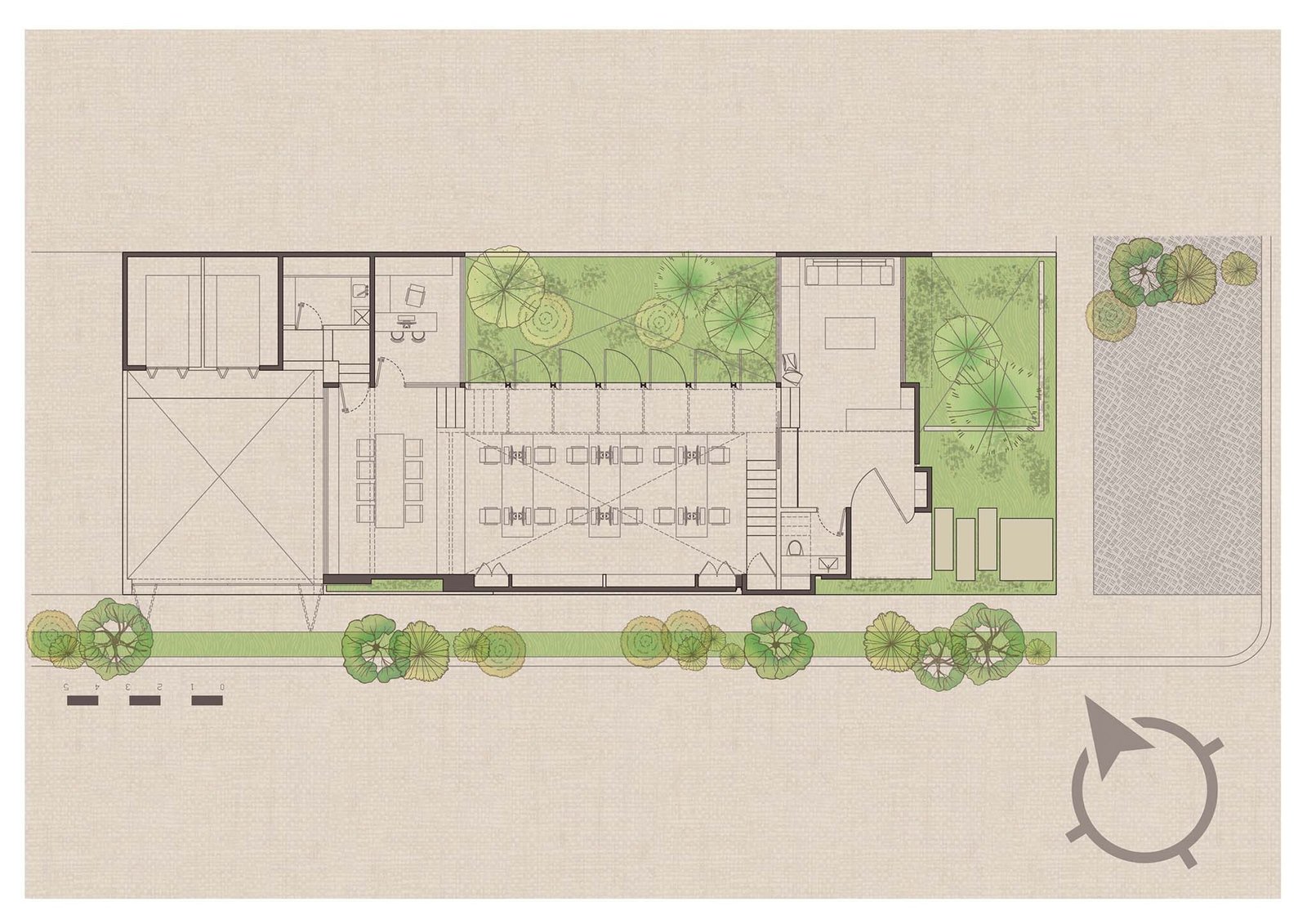
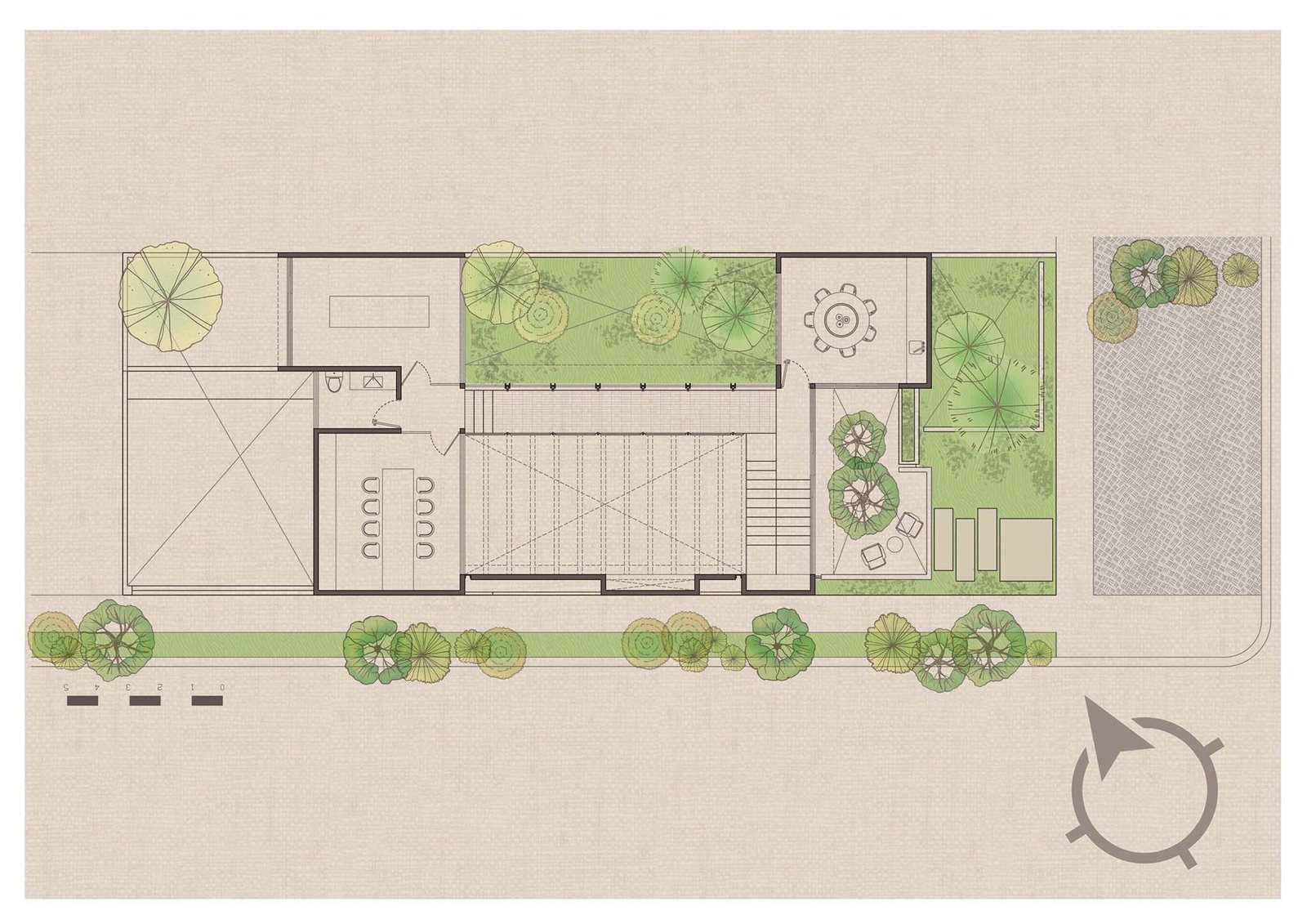
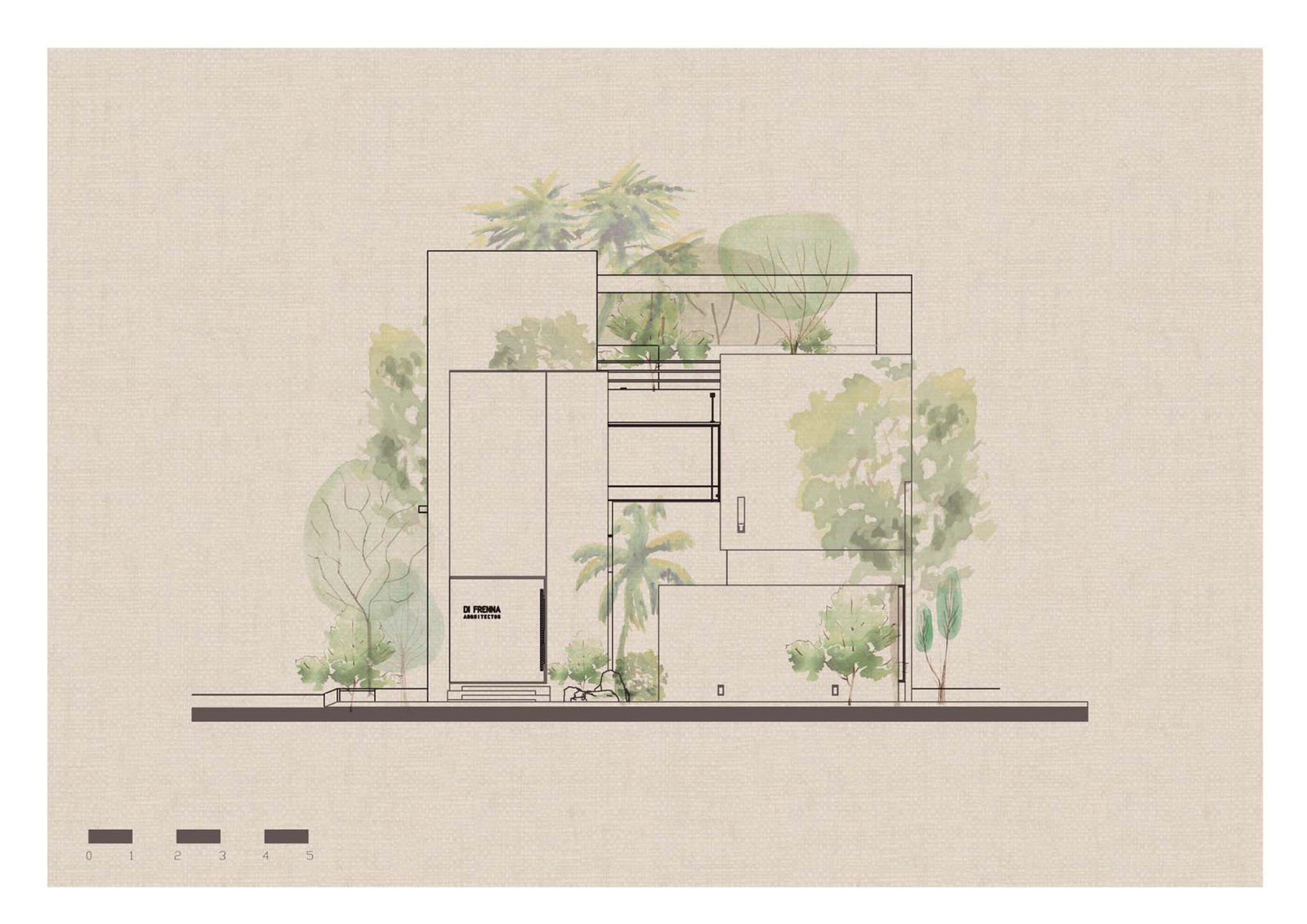
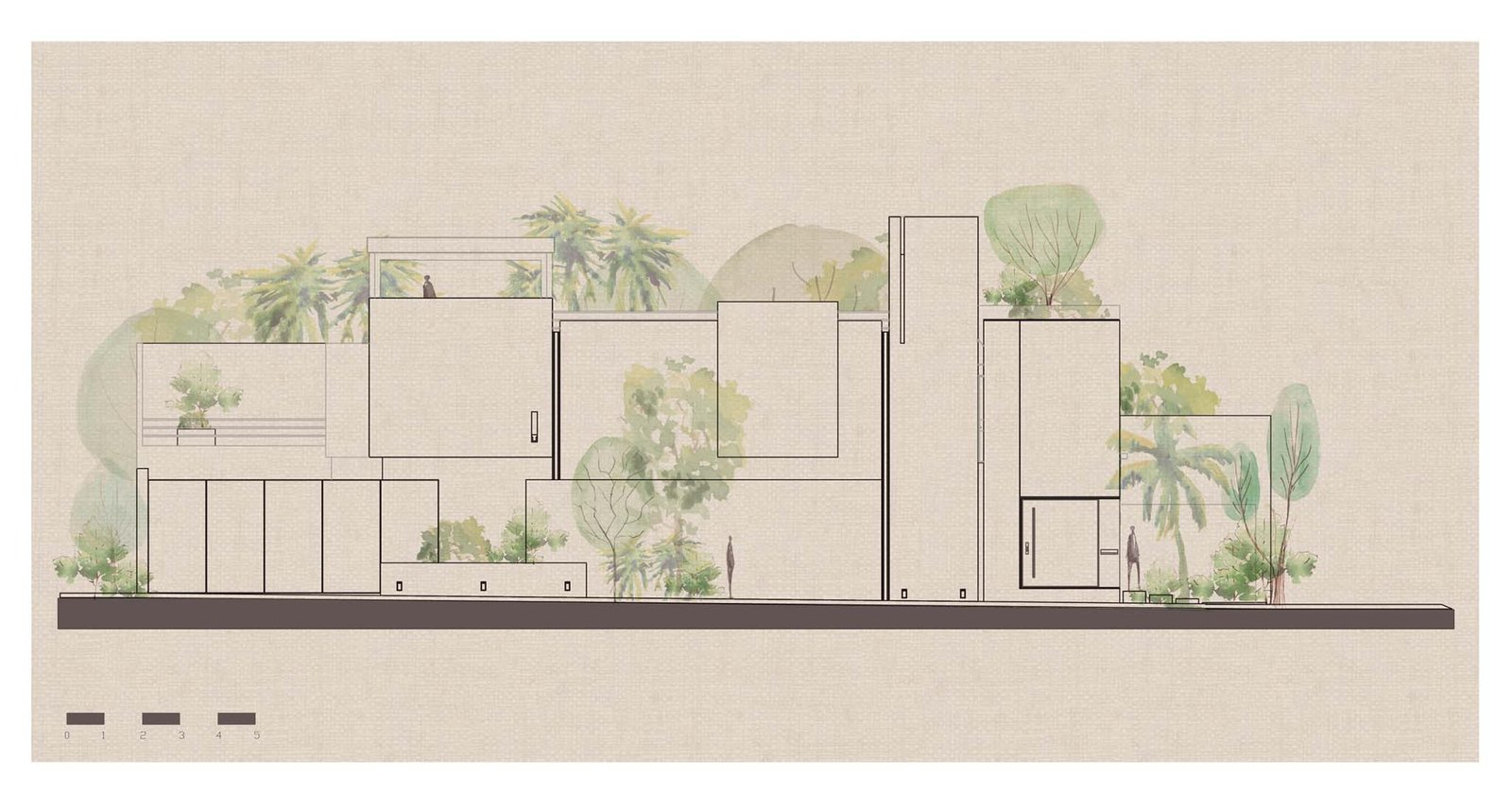
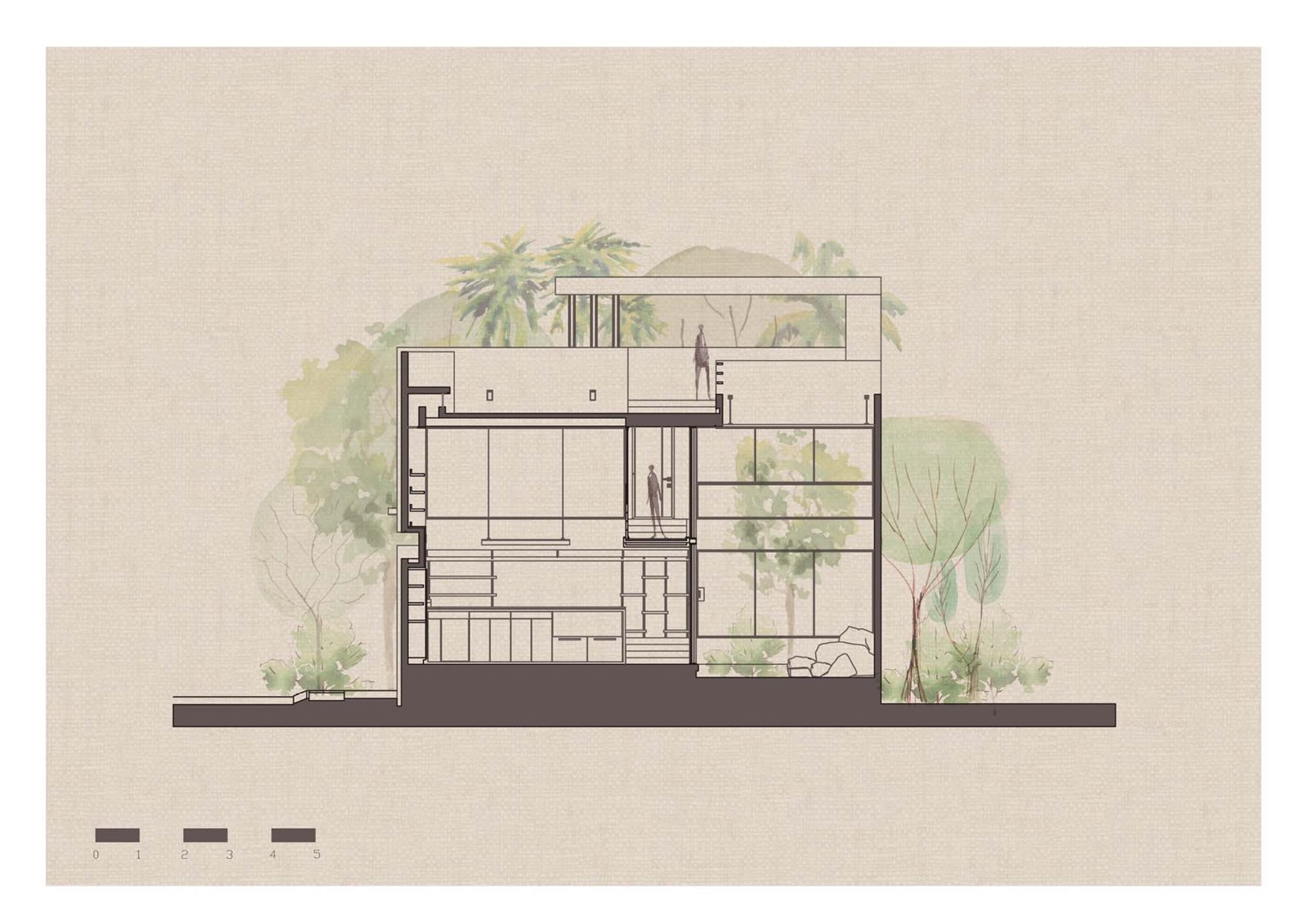
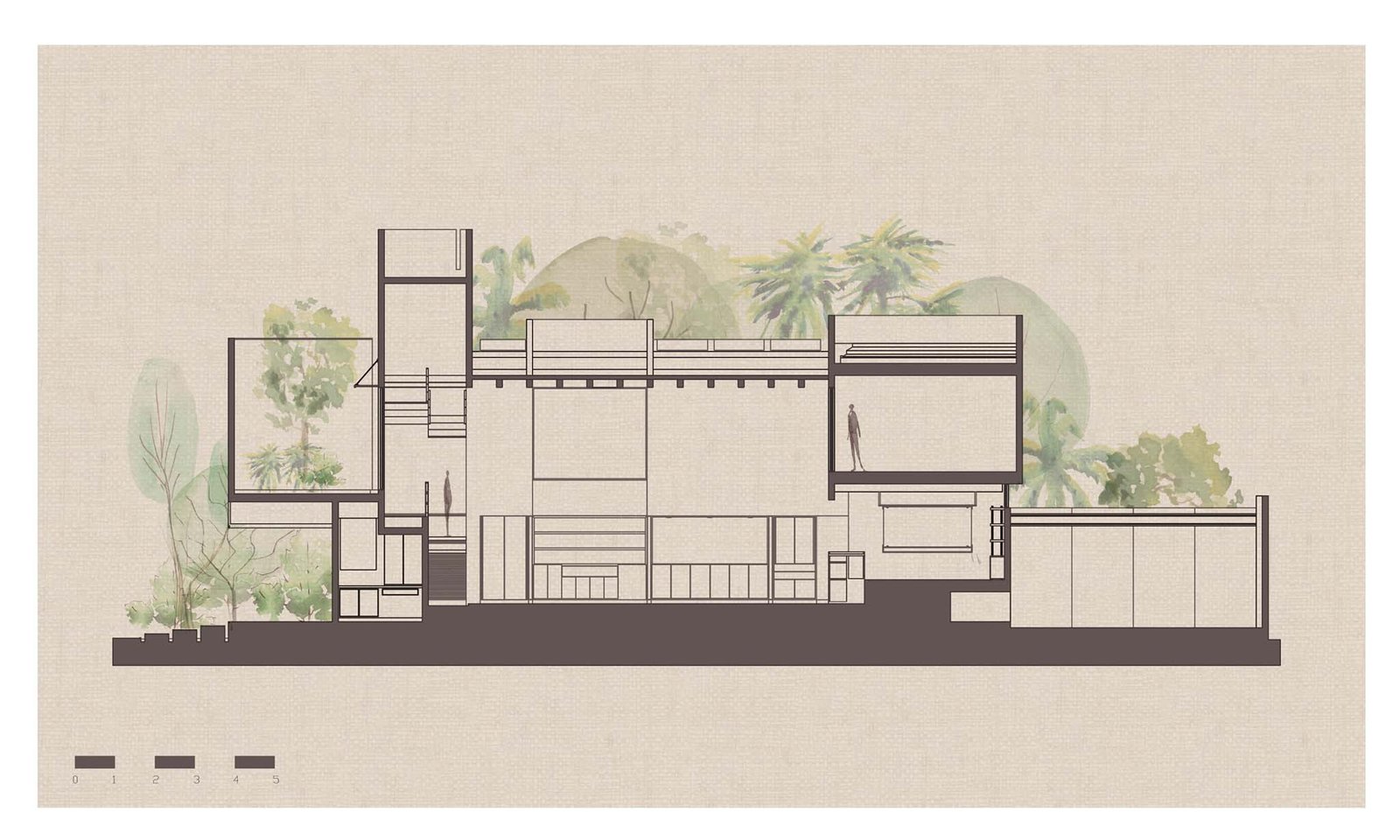
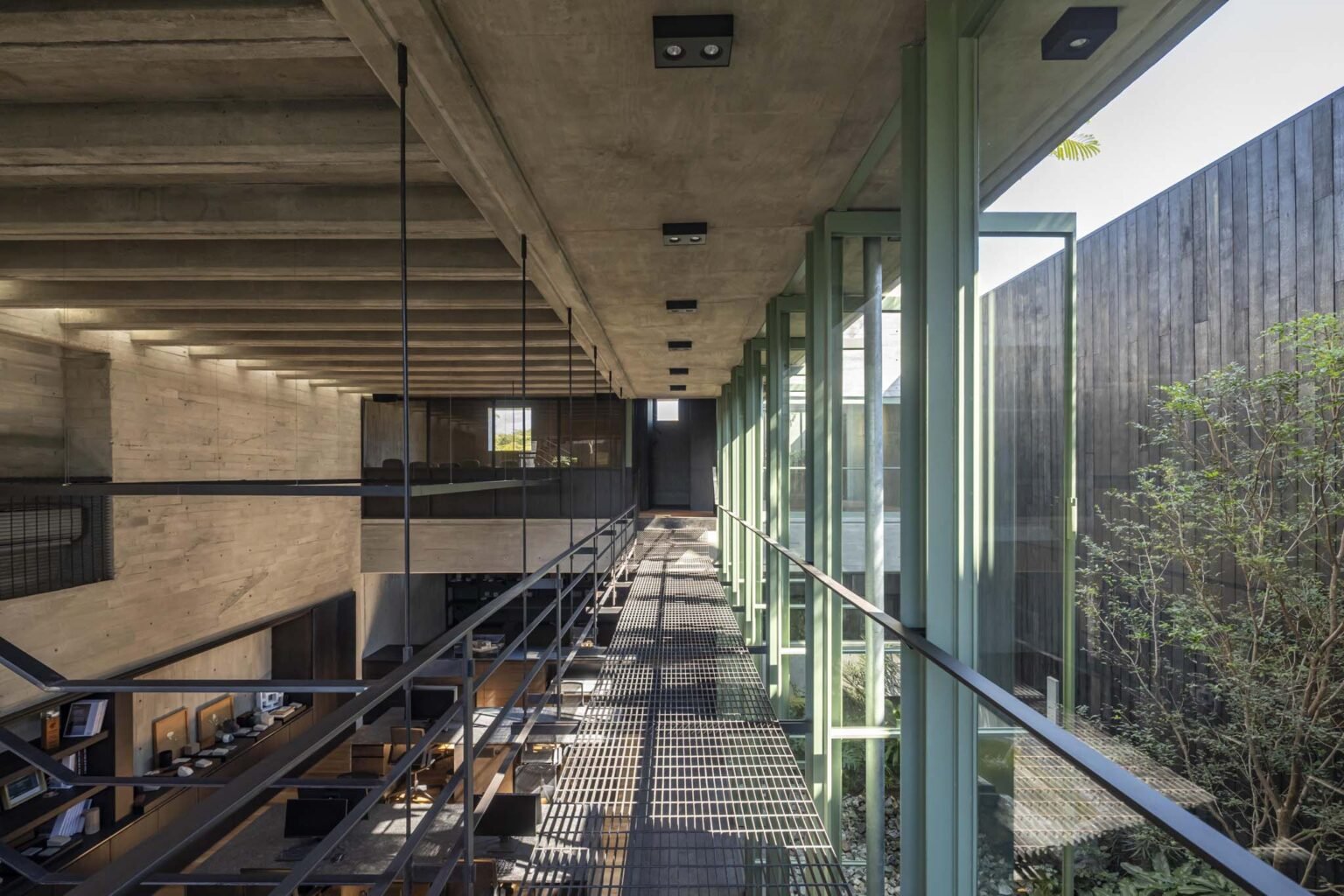
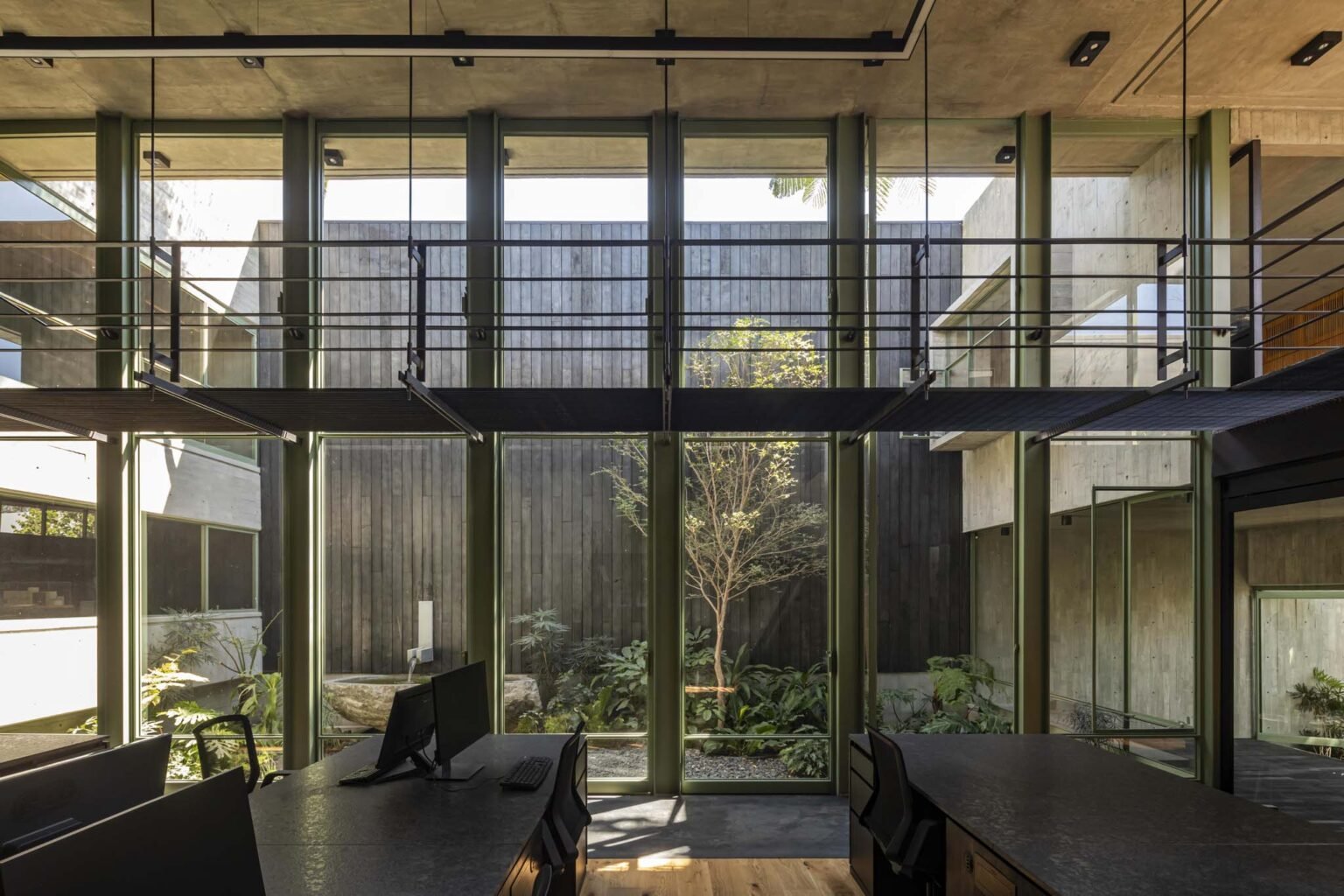
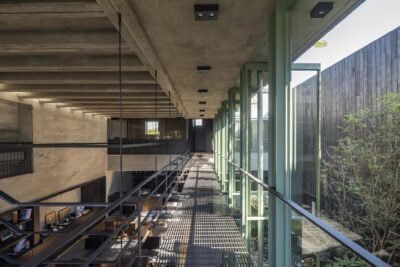
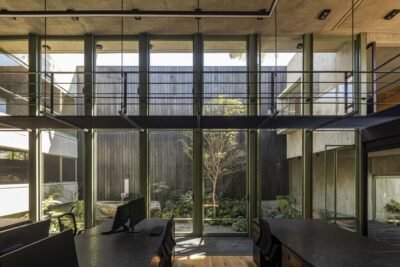
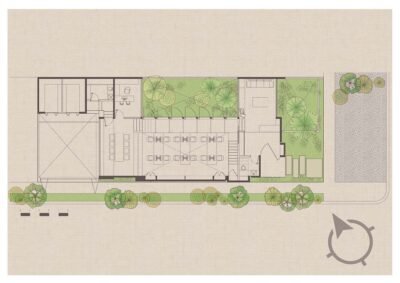
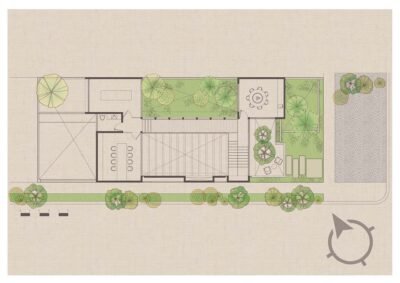
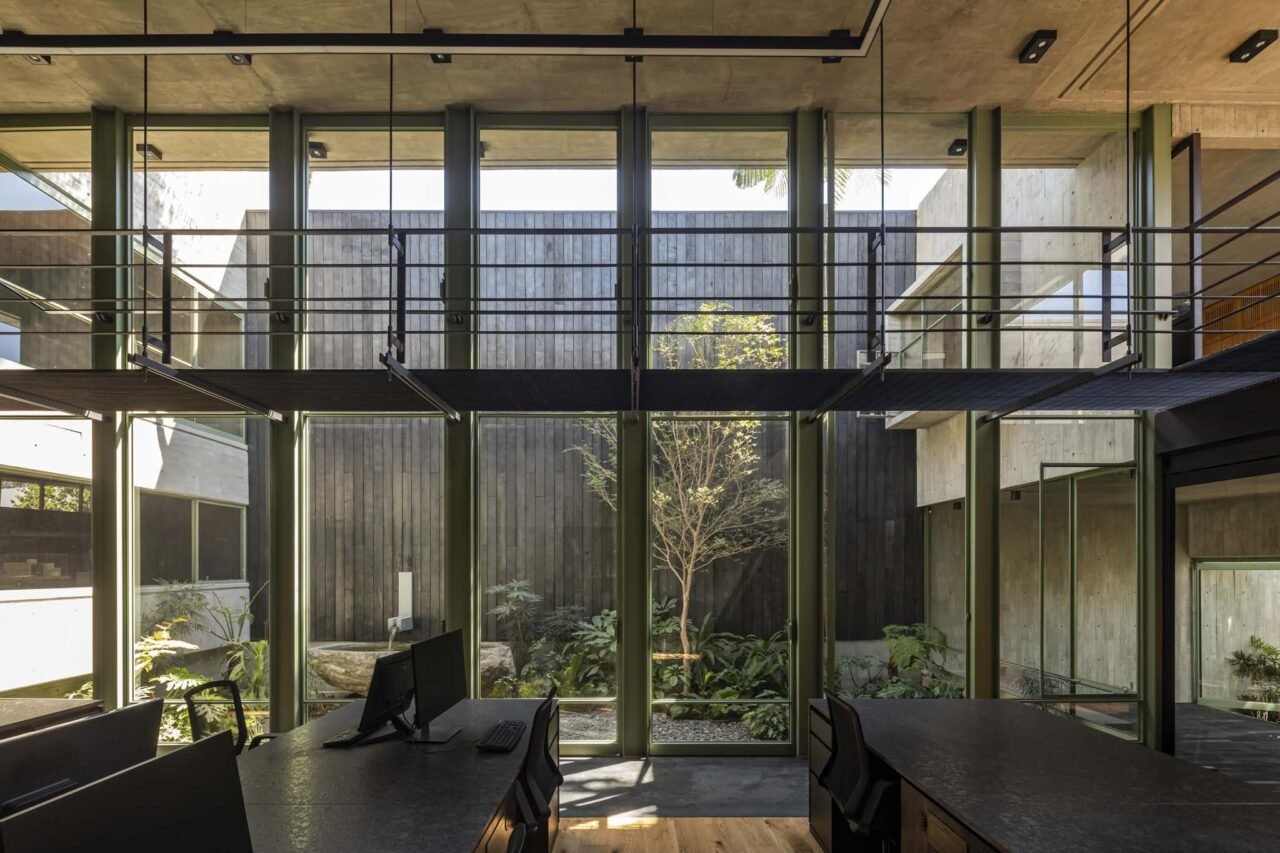
The program includes open workspaces, meeting rooms, audiovisual areas, and a model-making workshop. These spaces are organized to encourage interaction between members of the design team and to facilitate different stages of the architectural process, from conceptual development to project presentation.
Rather than functioning solely as an office, the building operates as a working laboratory where ideas can be tested and developed. The structure also serves as a built representation of the studio’s design principles and working methodology.
Materials and architectural language
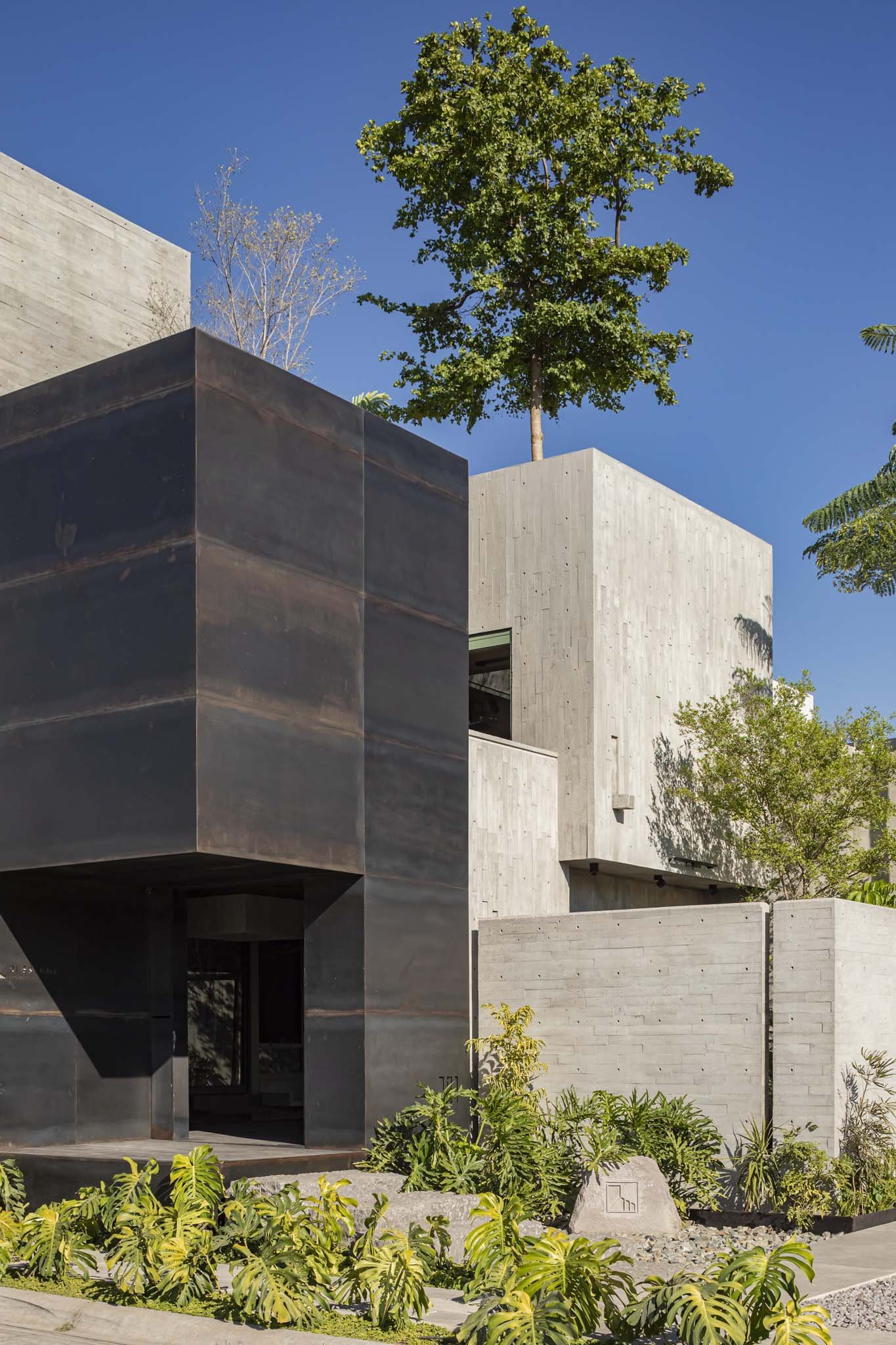
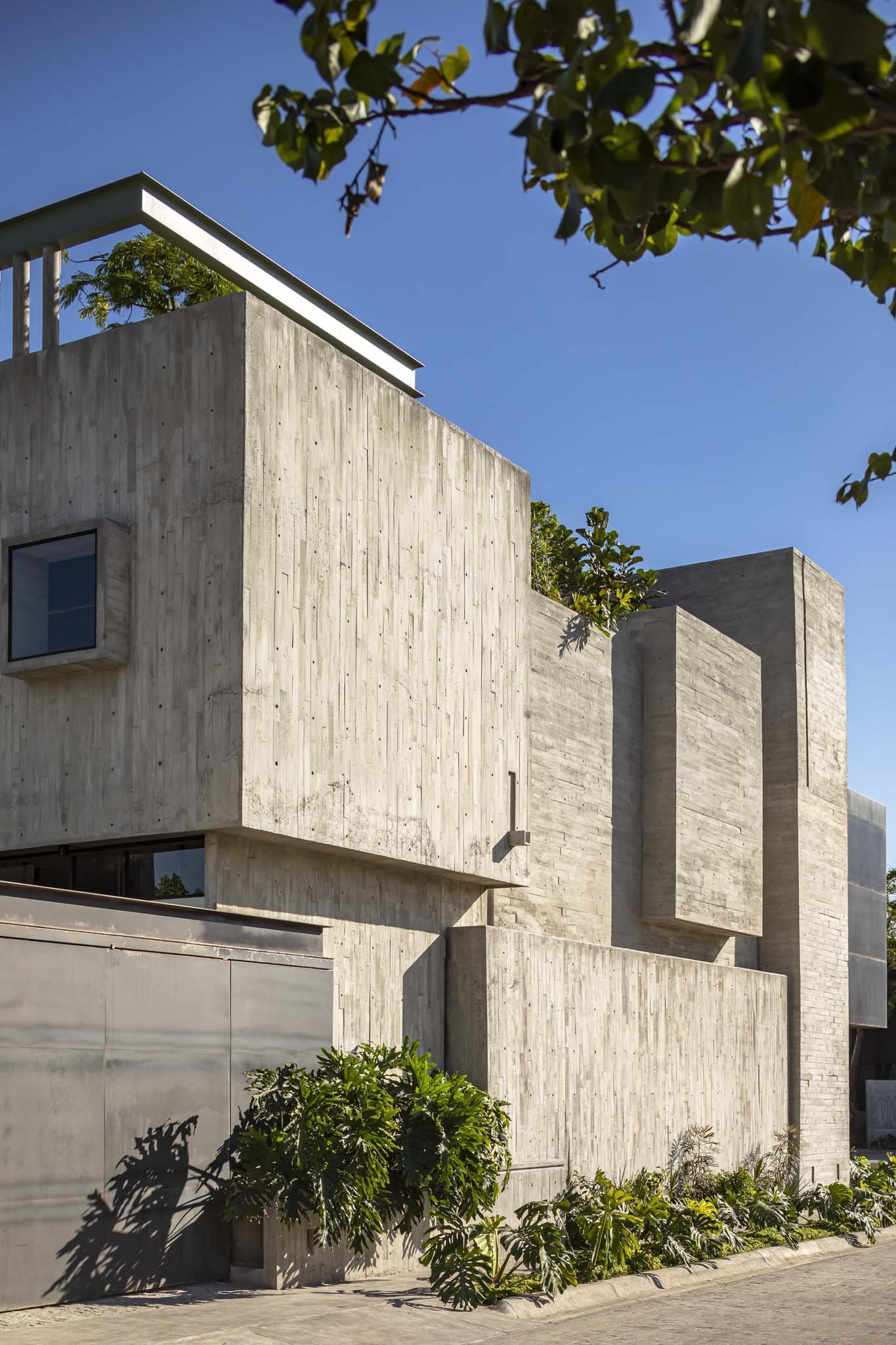
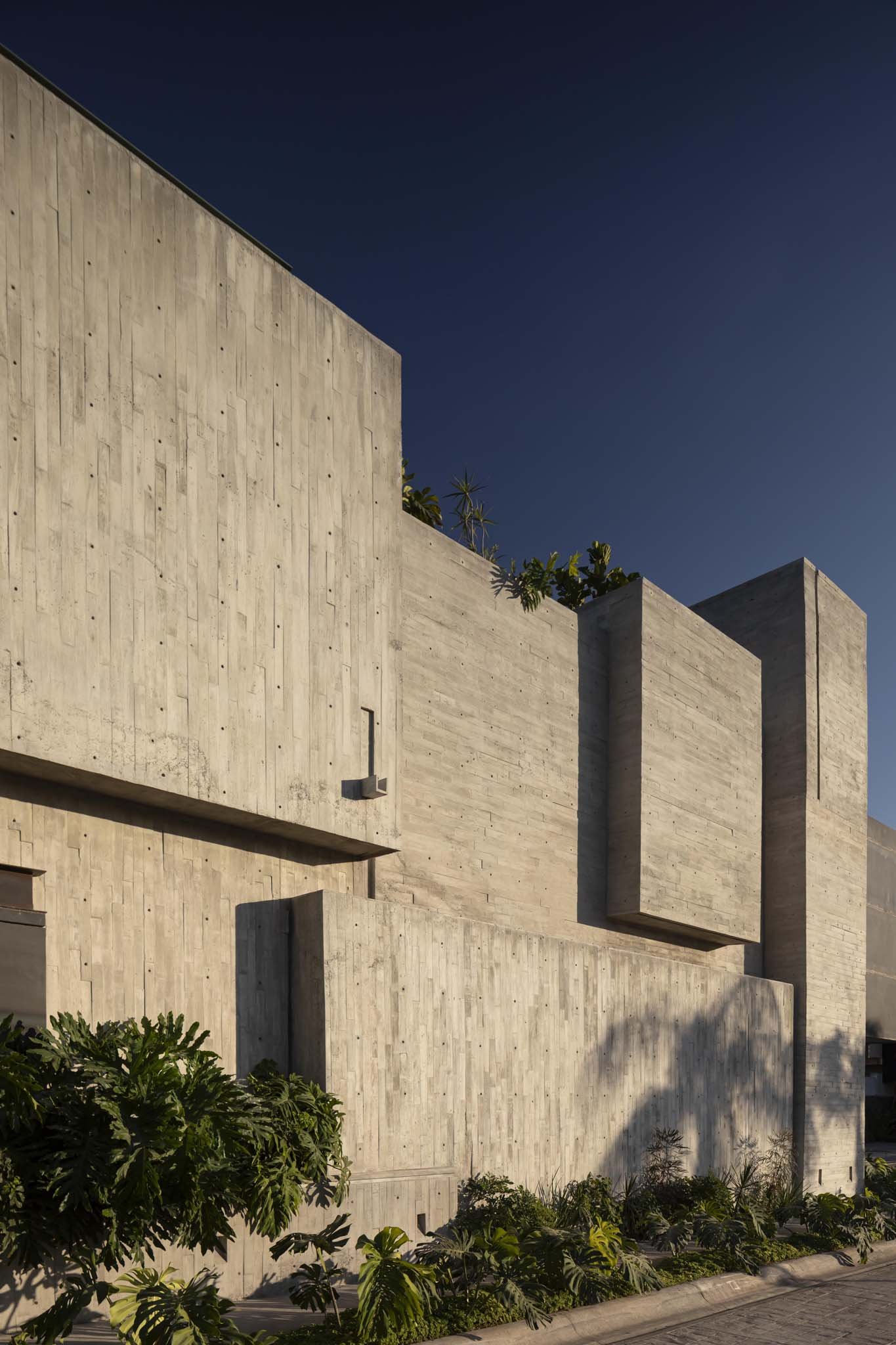
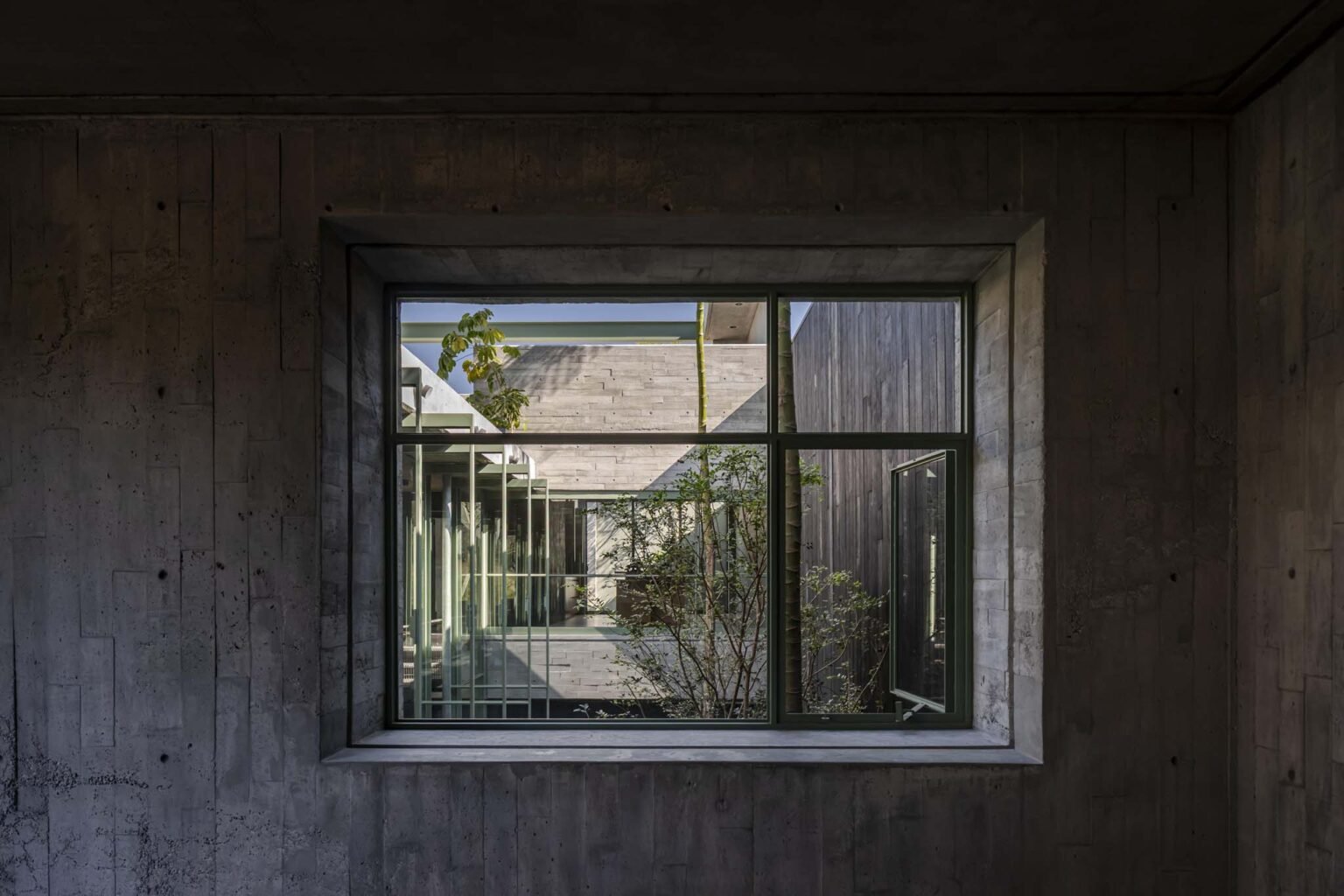
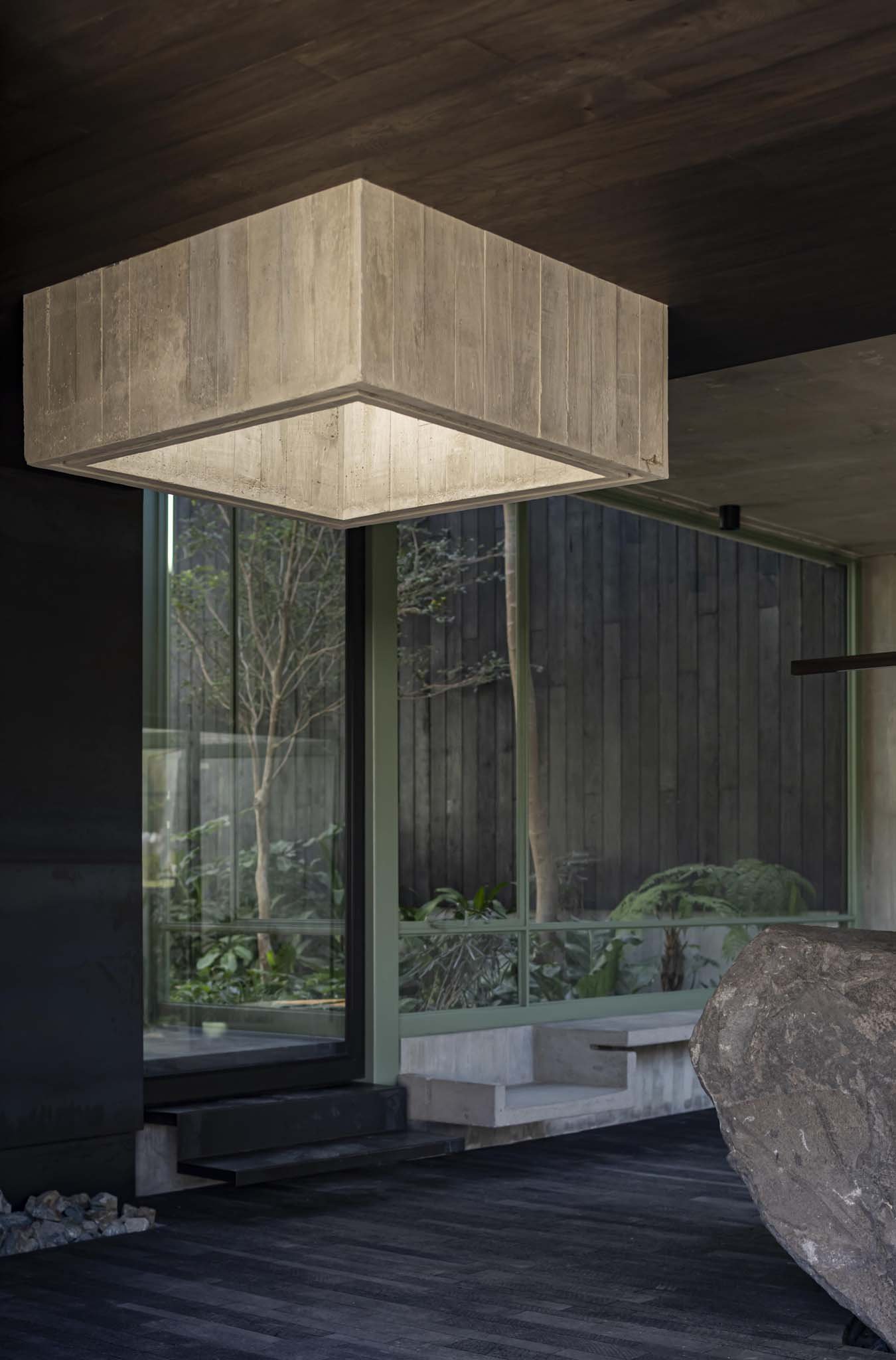
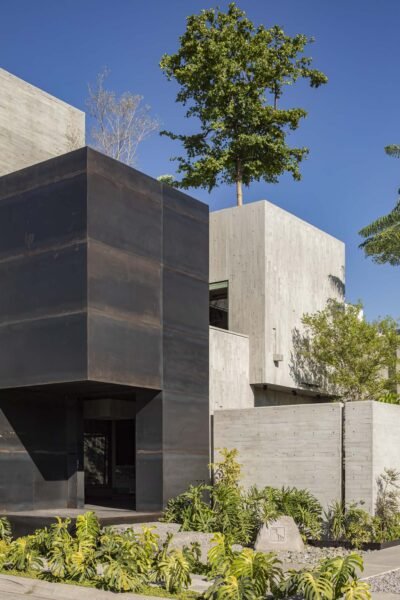
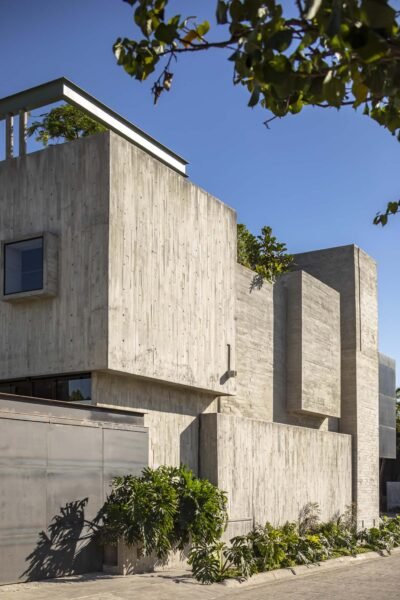
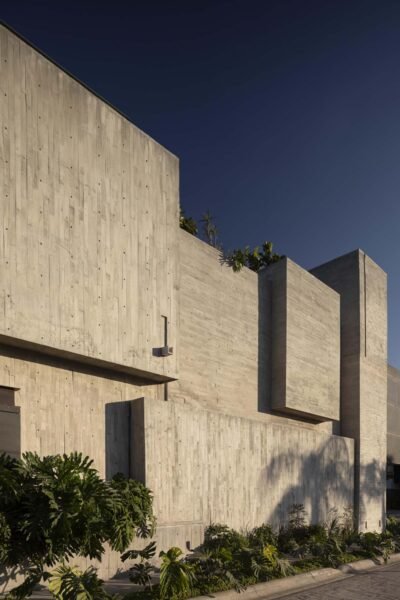
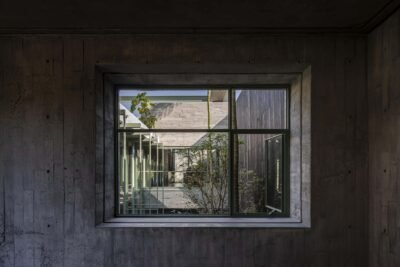
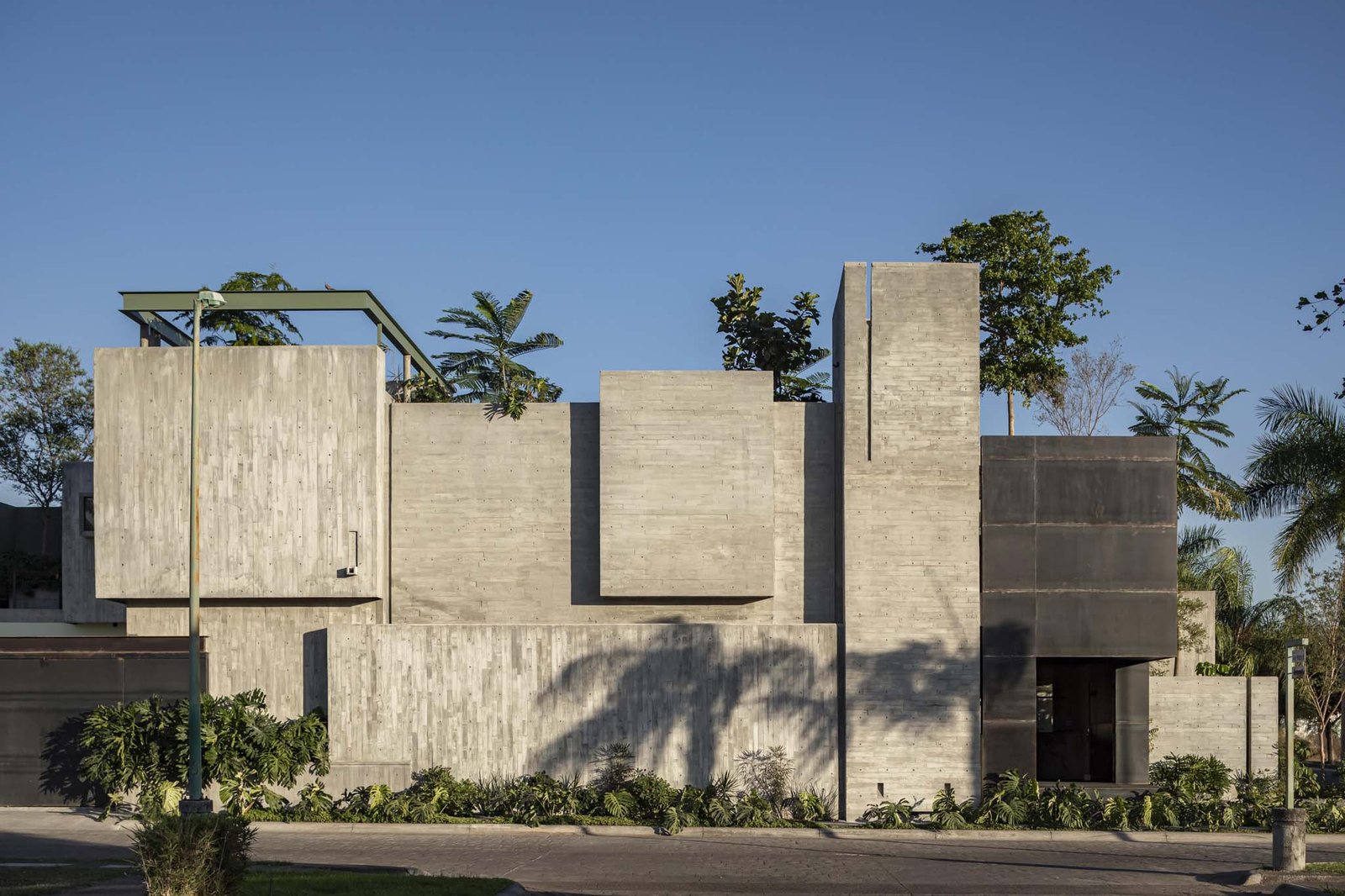
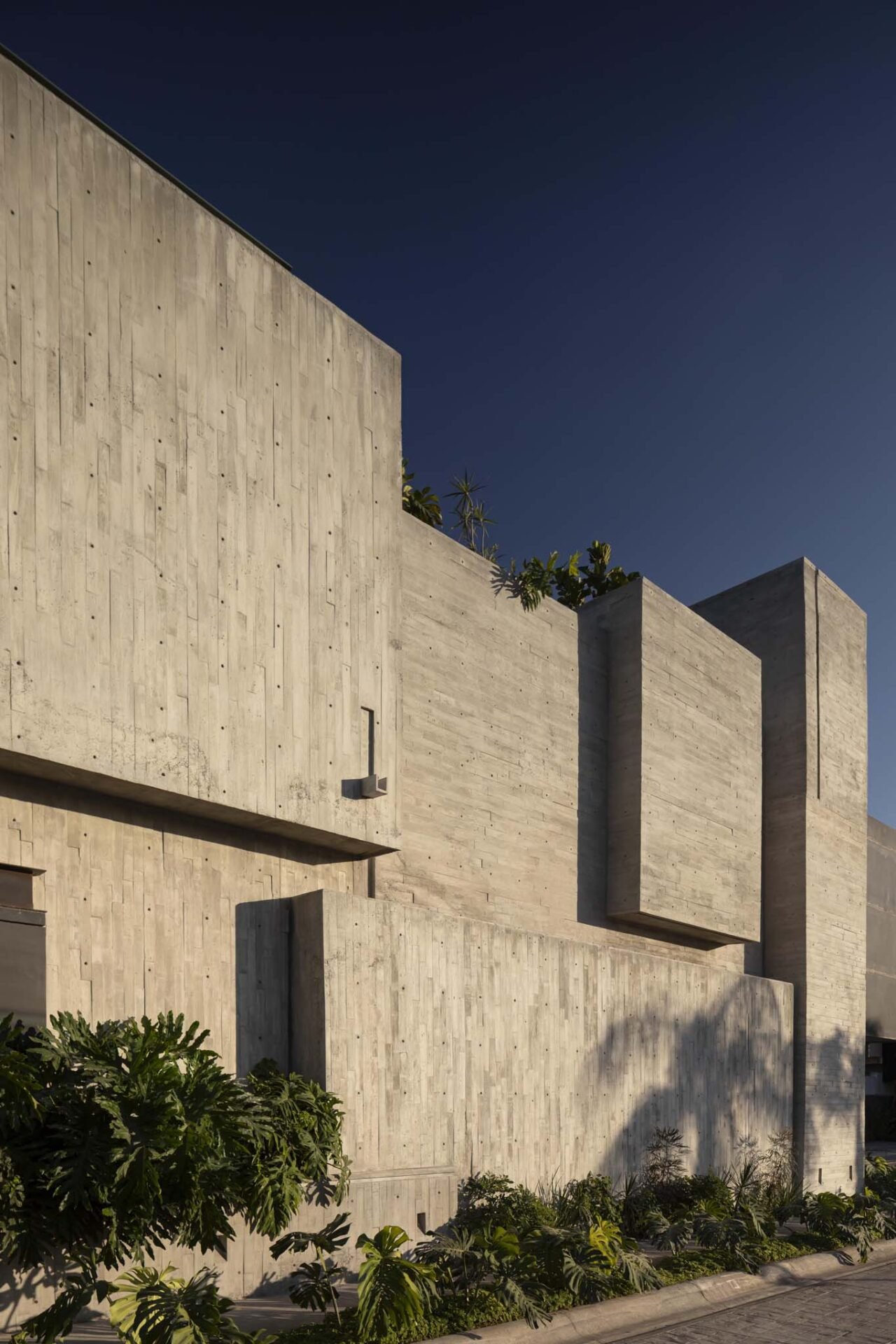
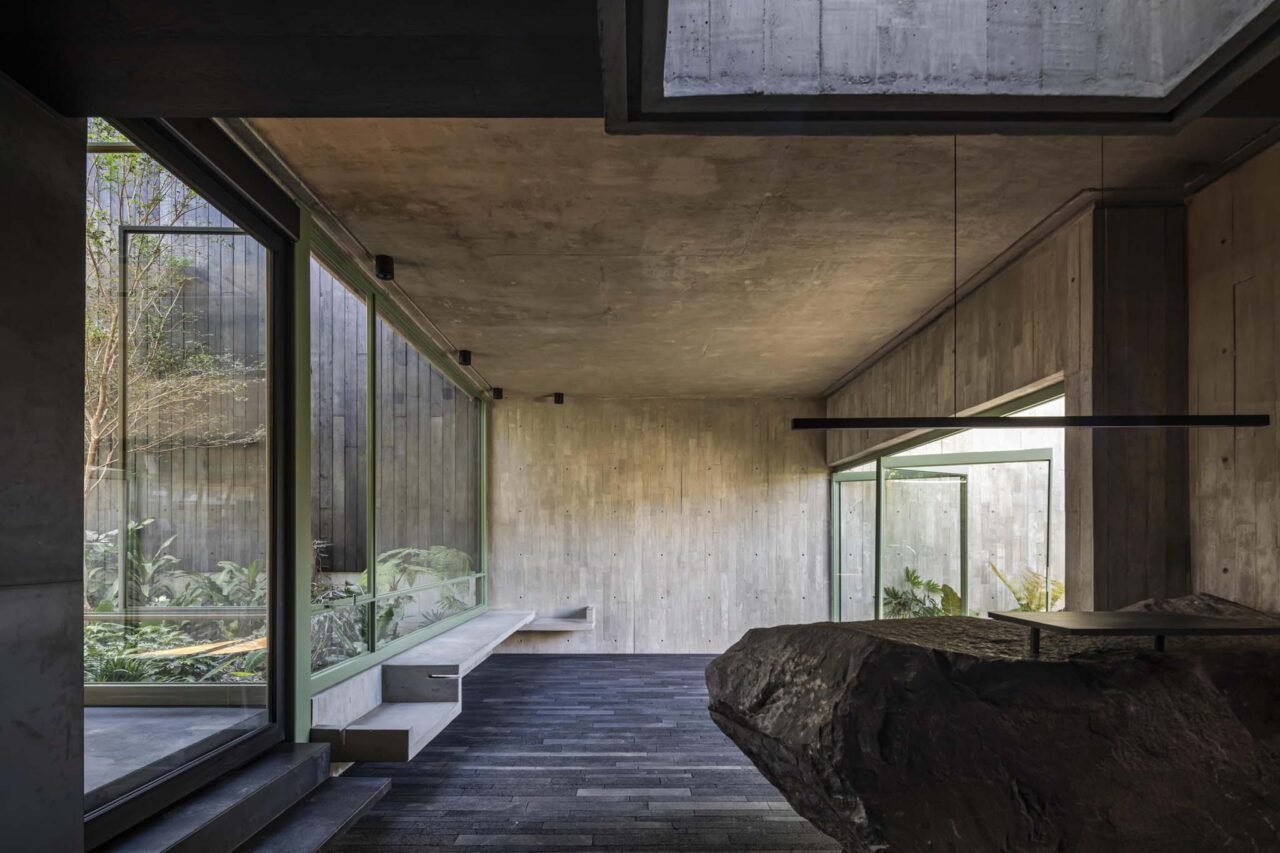
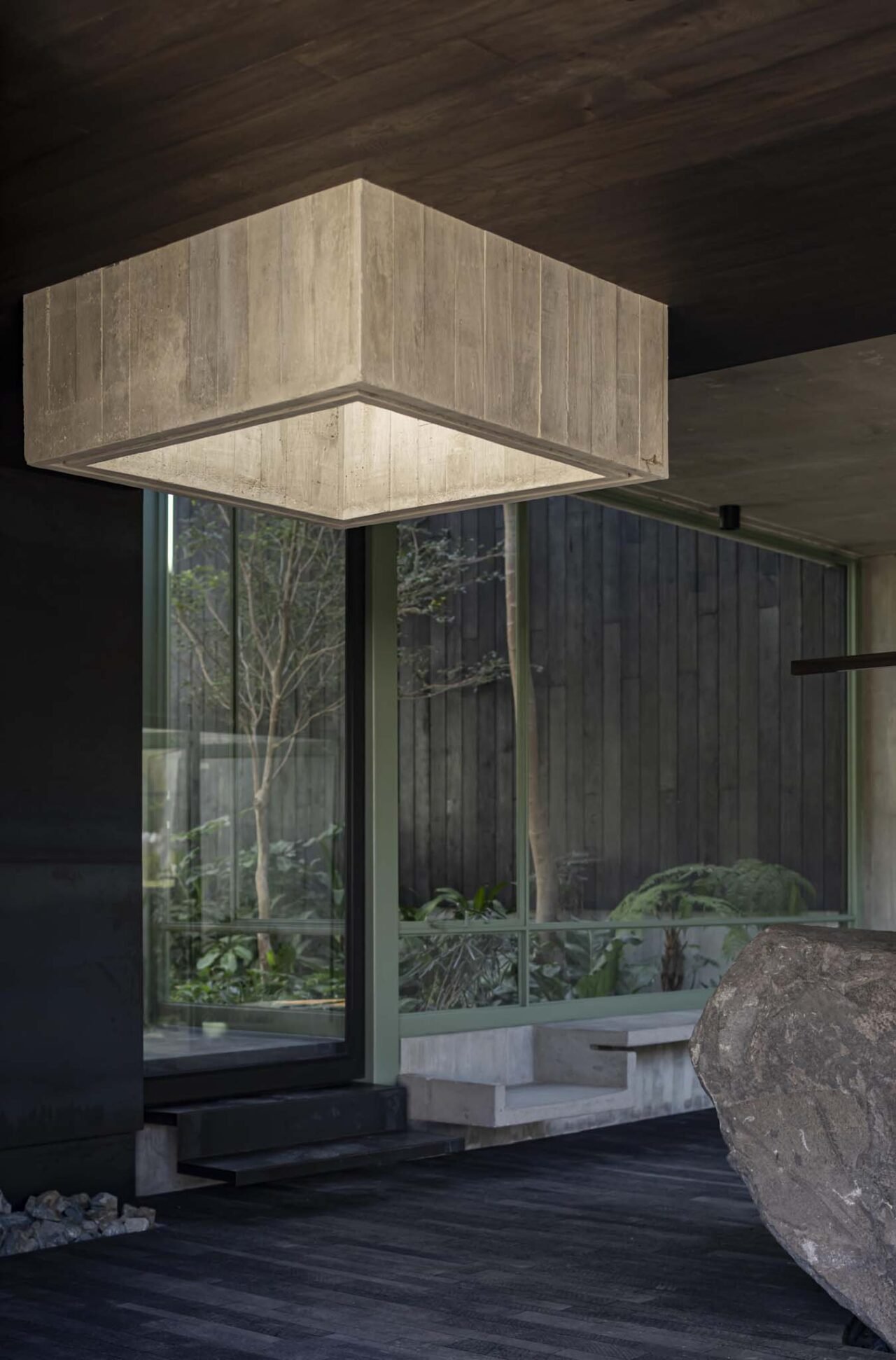
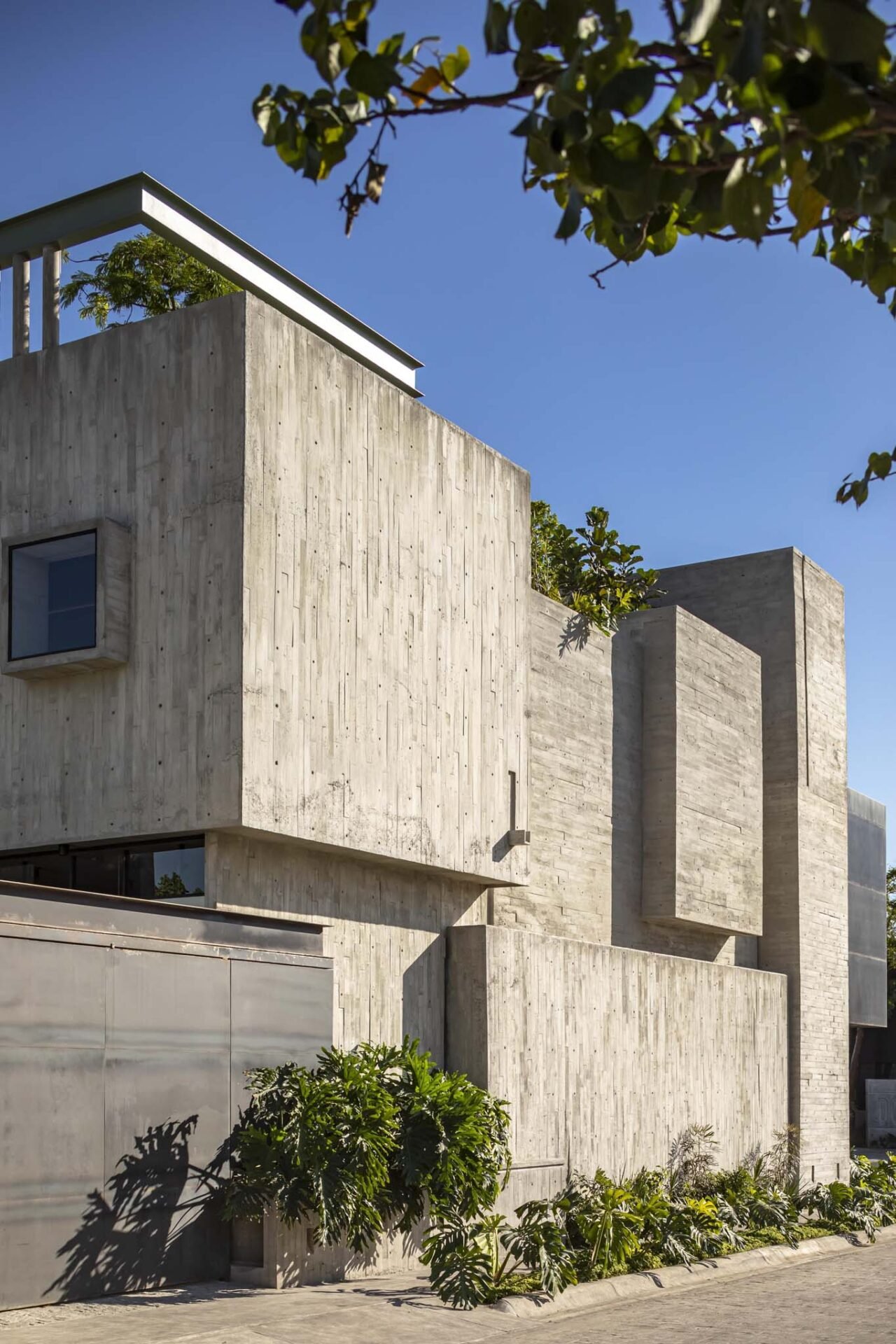
The architectural composition is based on a series of clean and well-defined volumes. The design emphasizes the use of exposed and honest materials, allowing construction elements to remain visible and express their structural and tactile qualities.
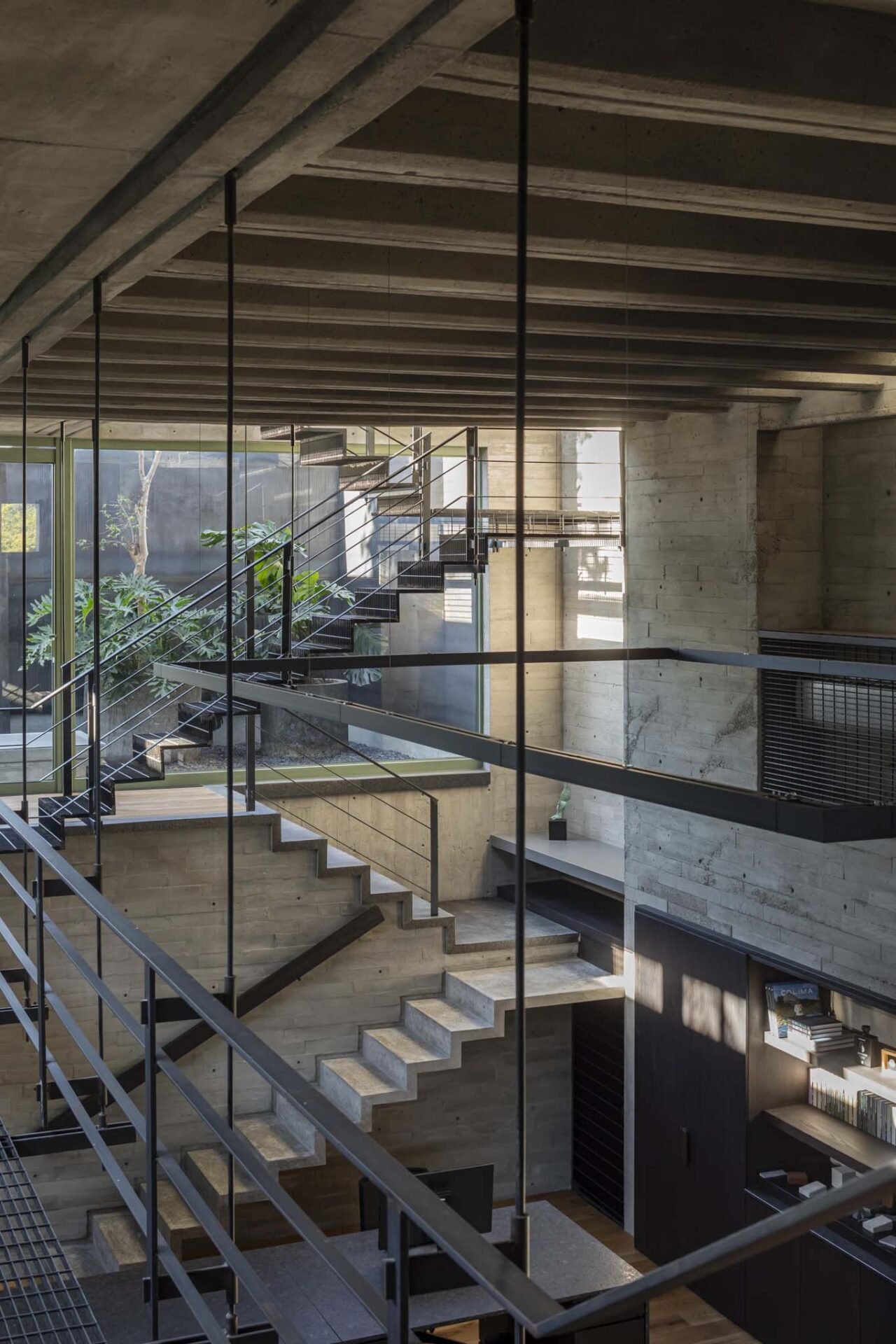
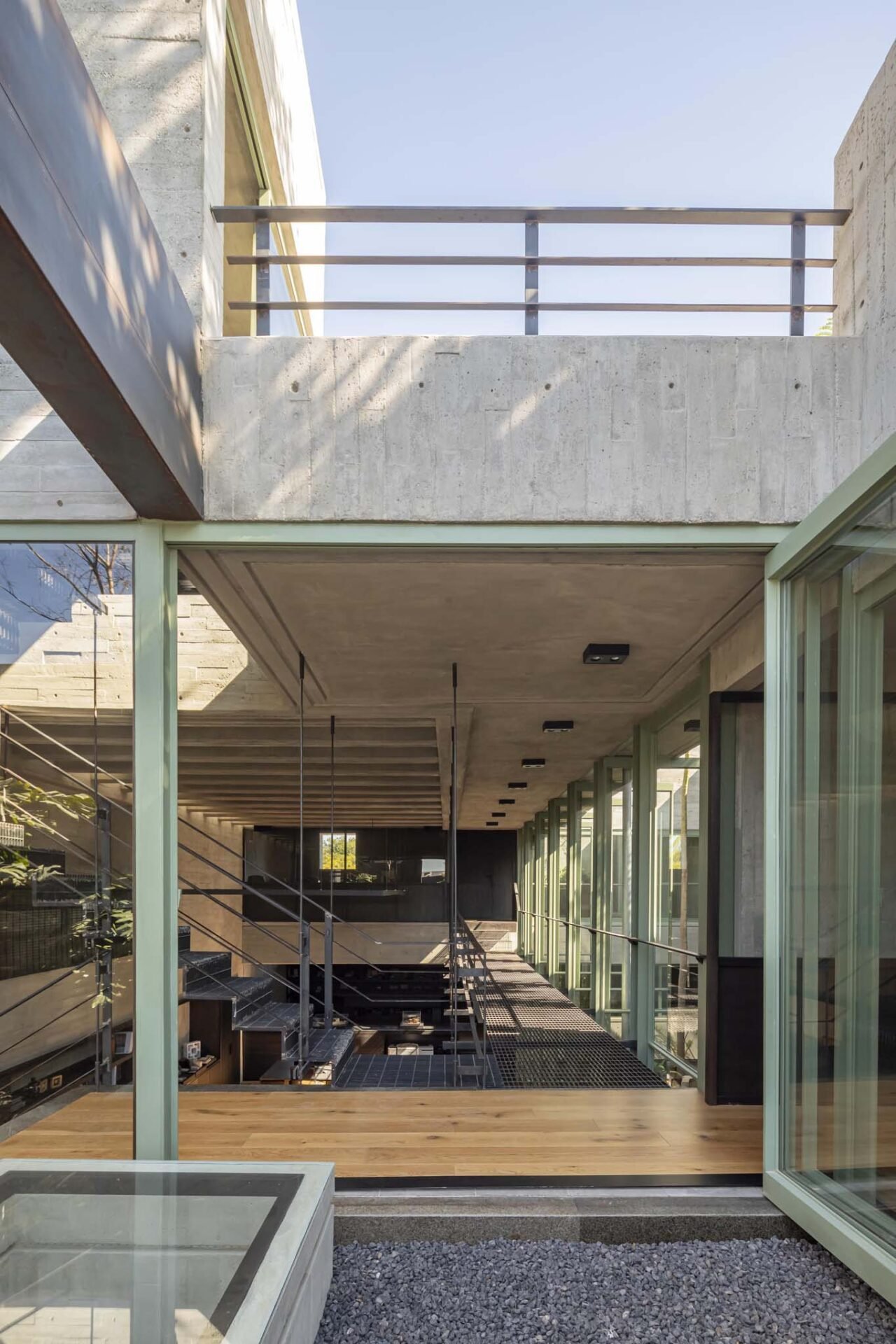
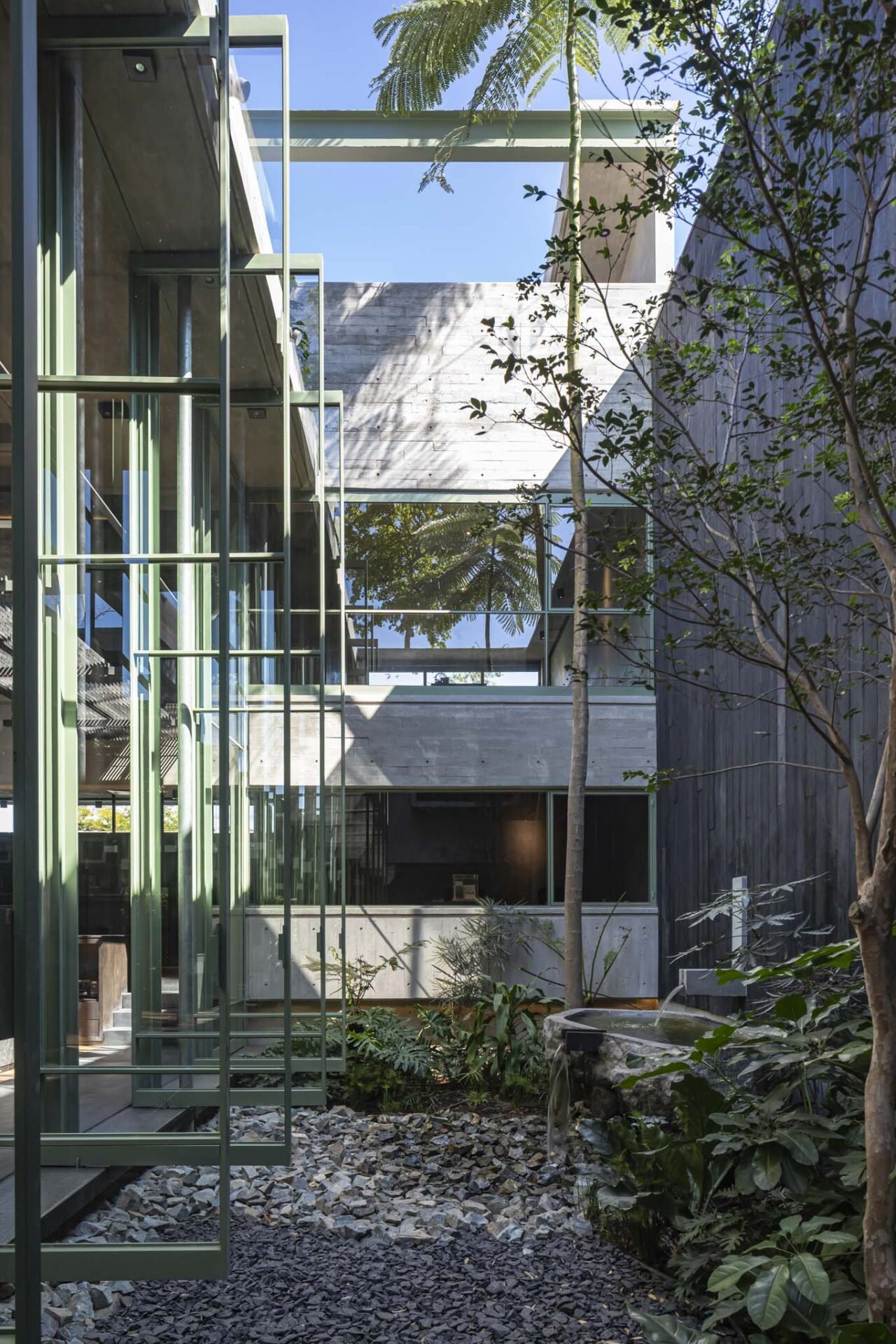
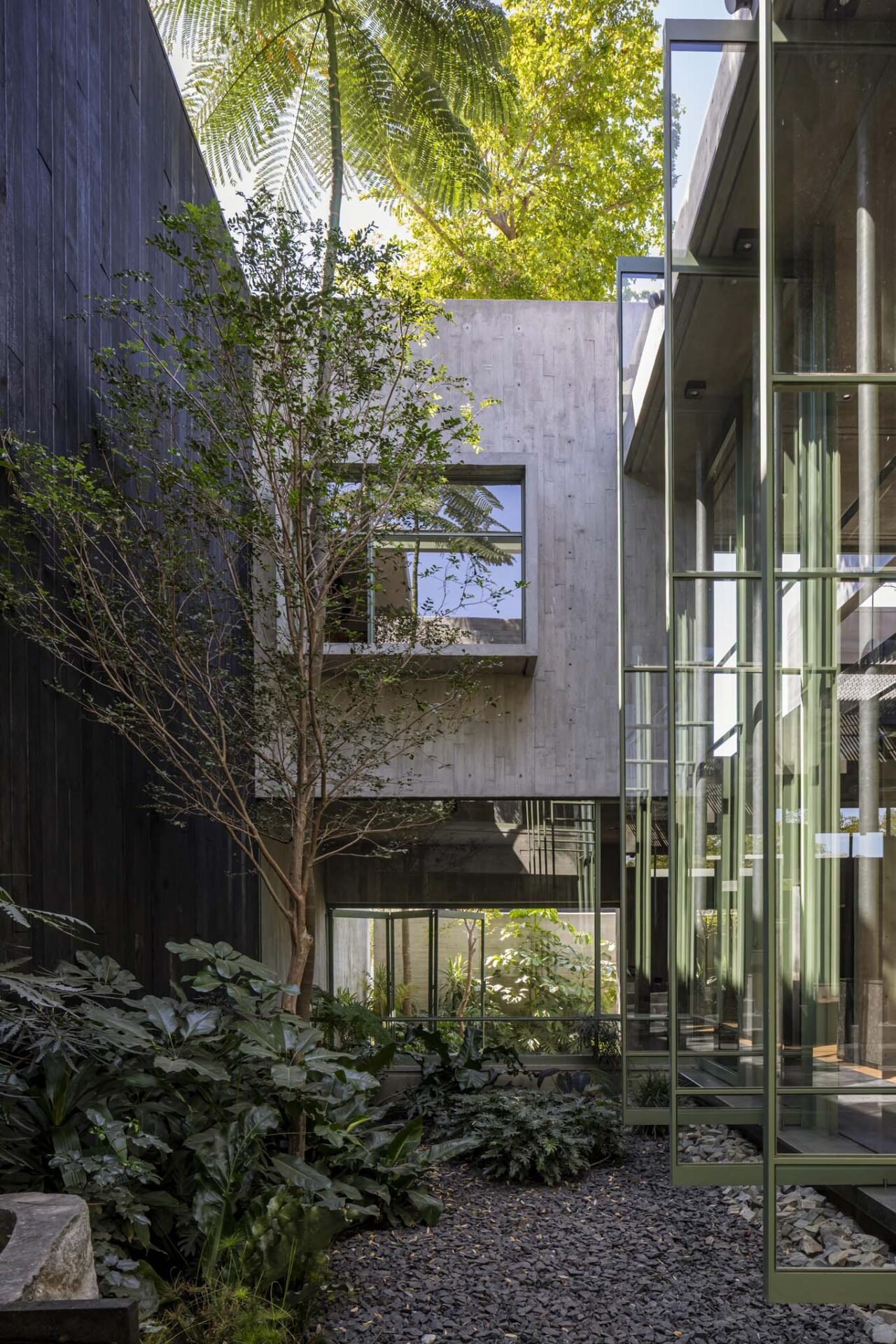
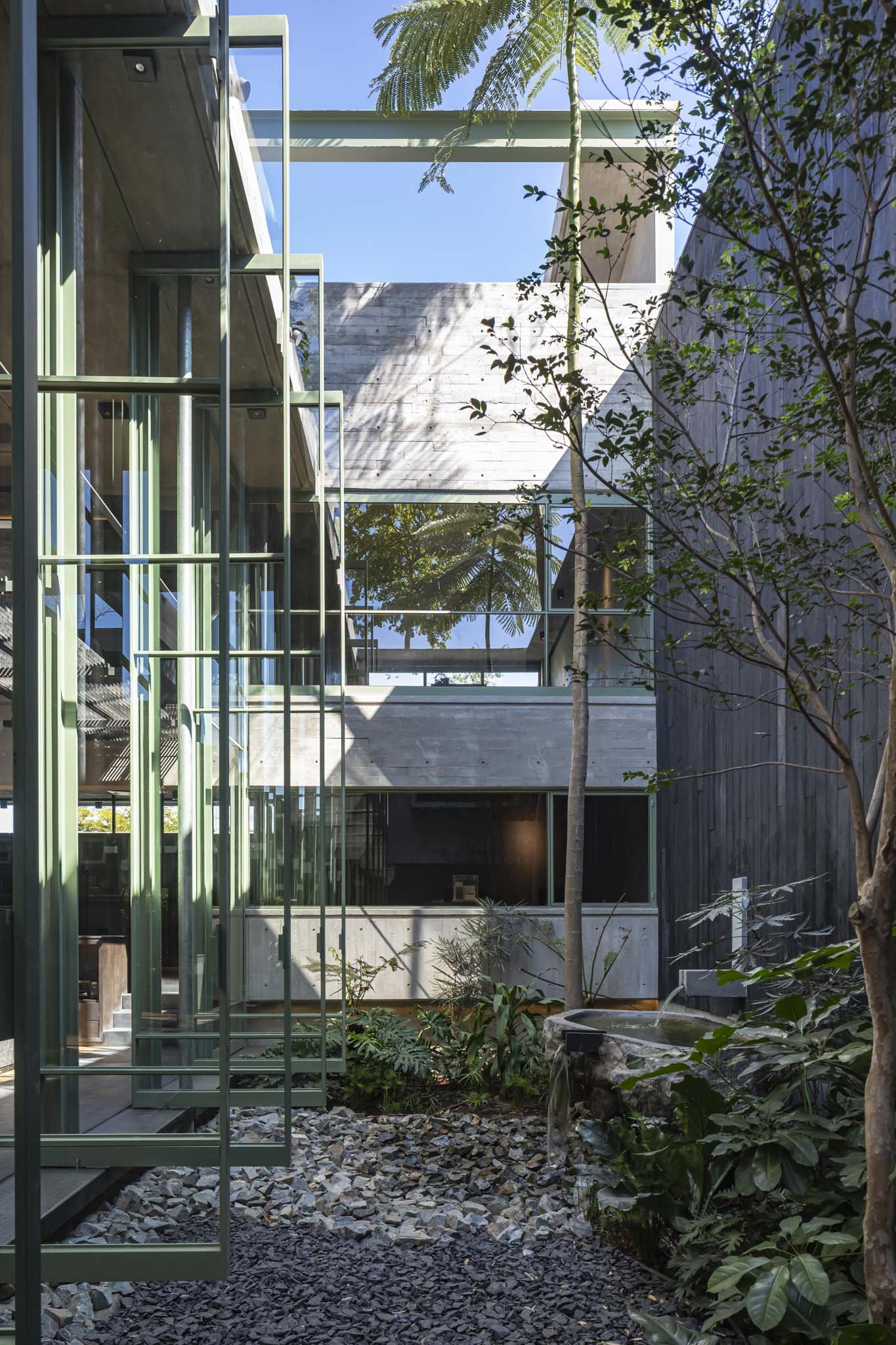
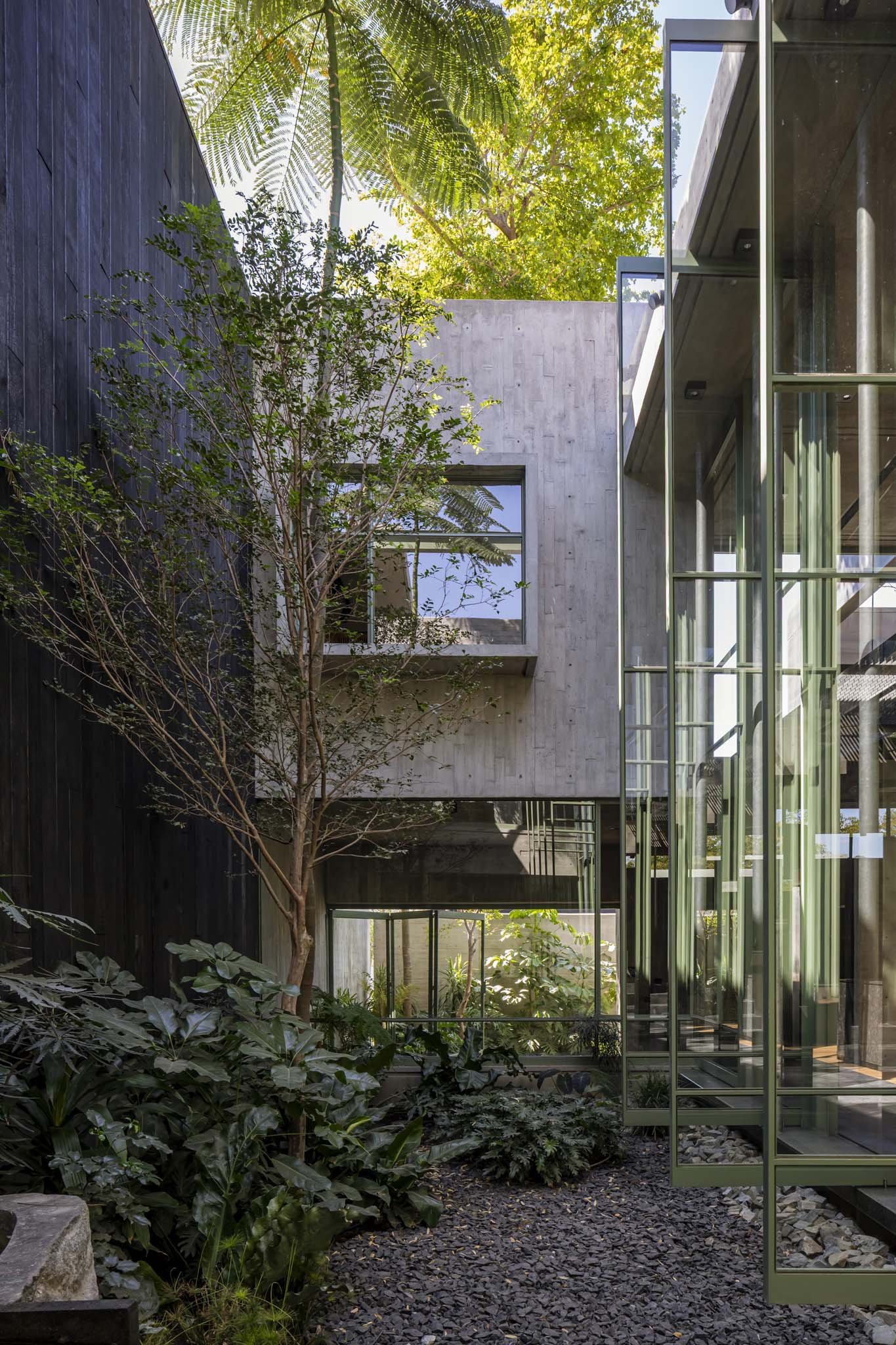
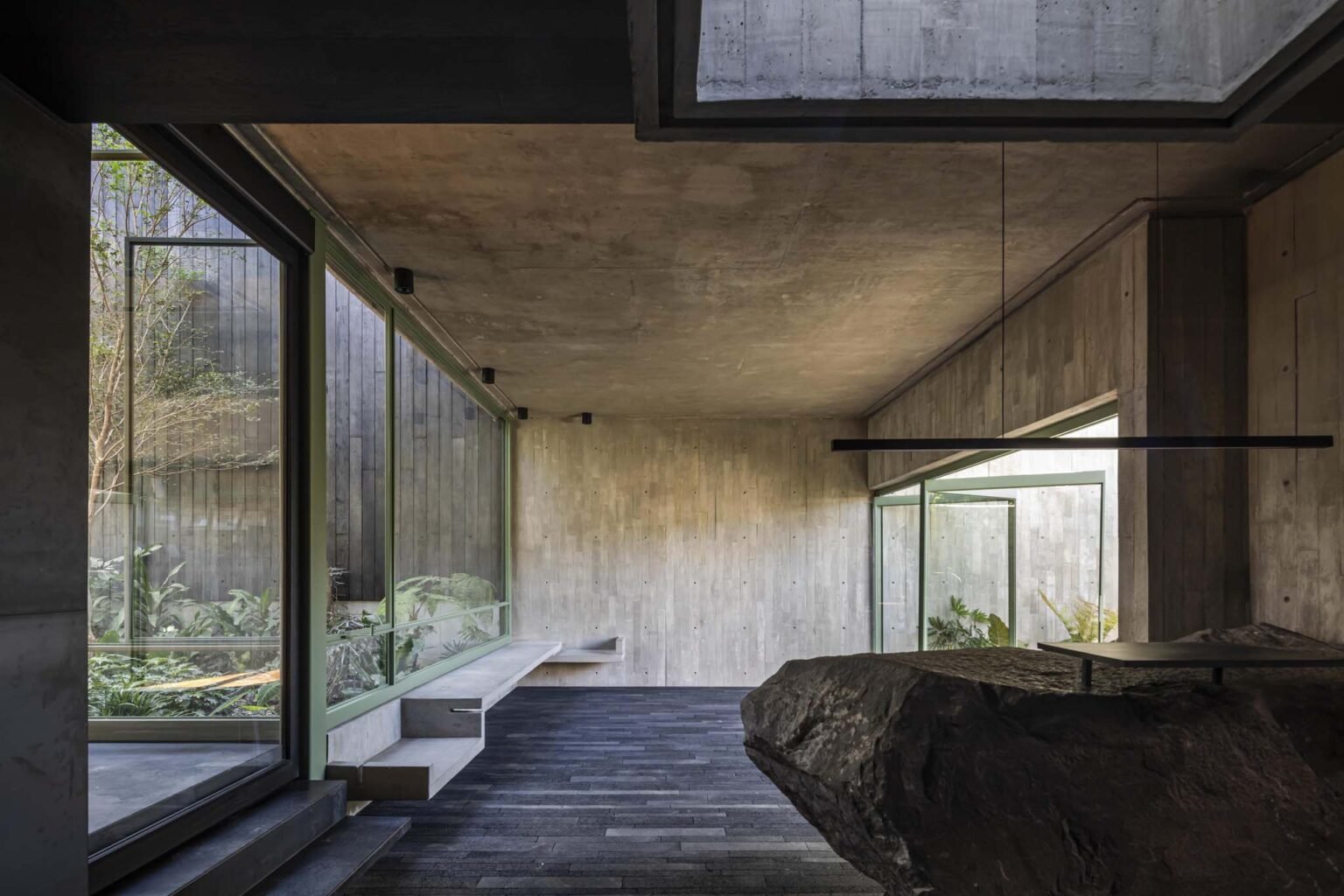
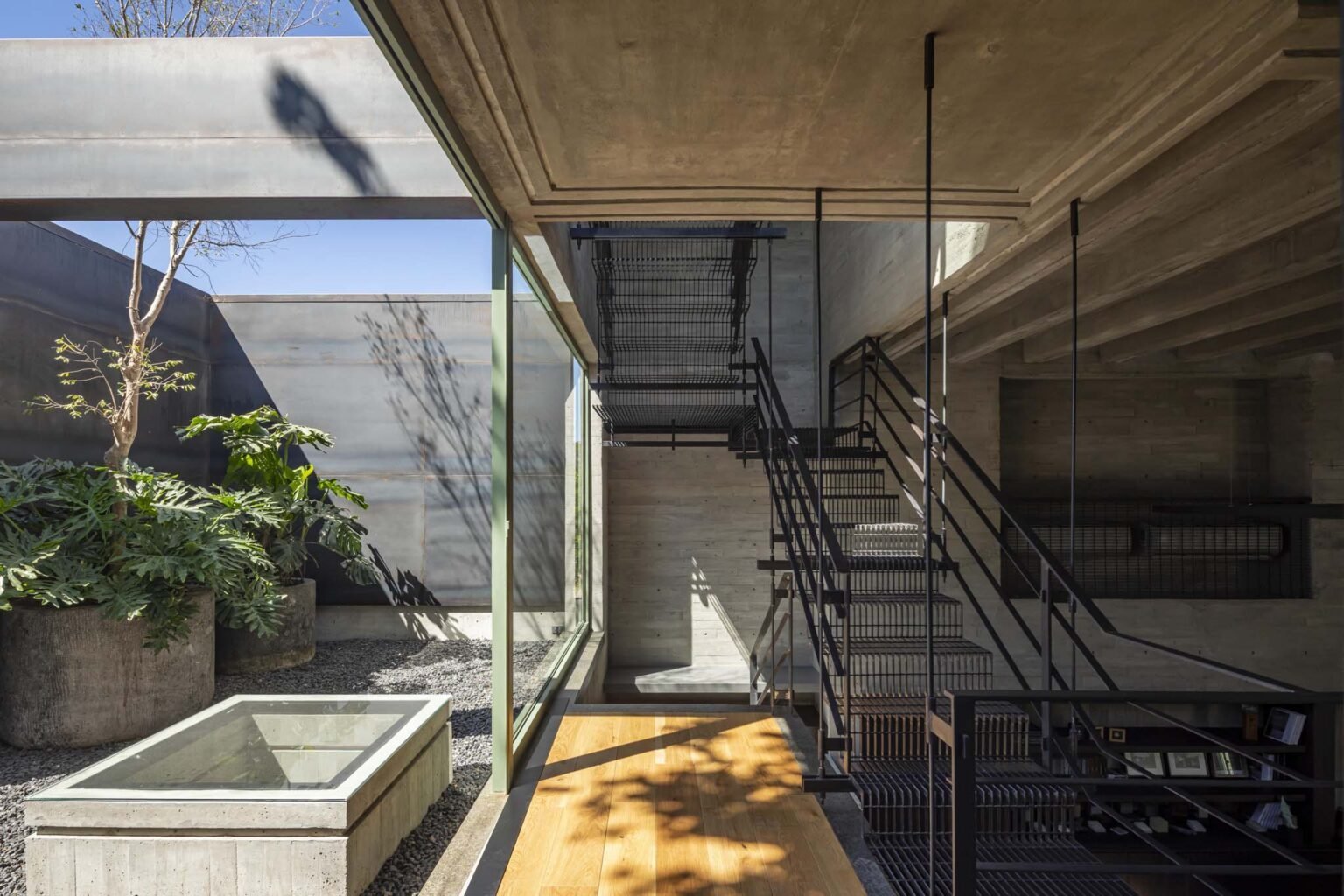
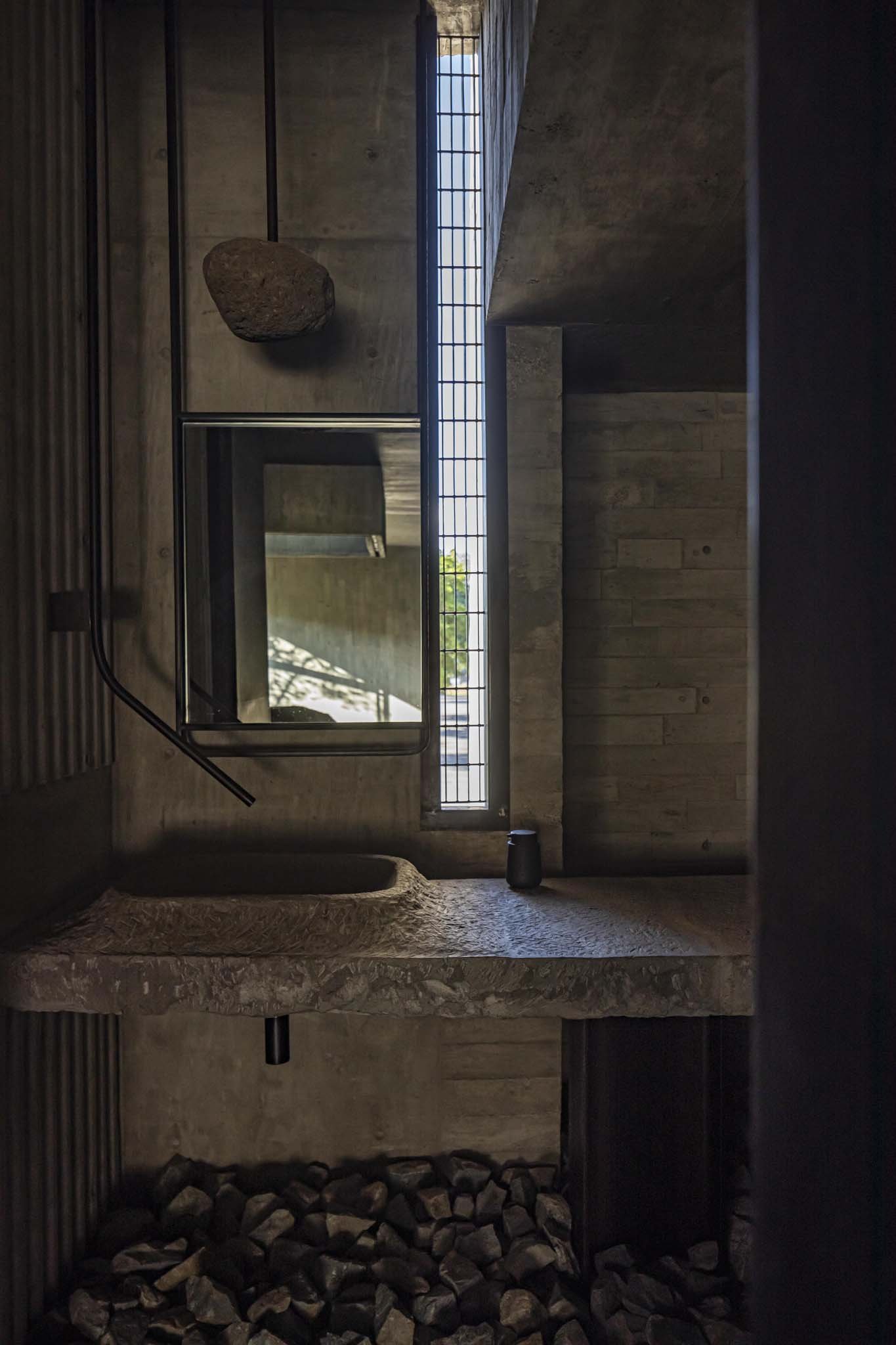
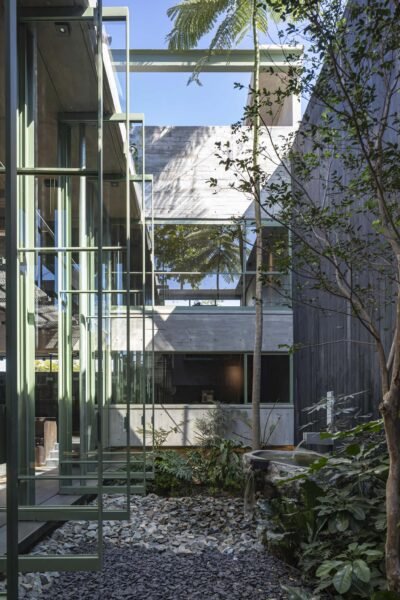
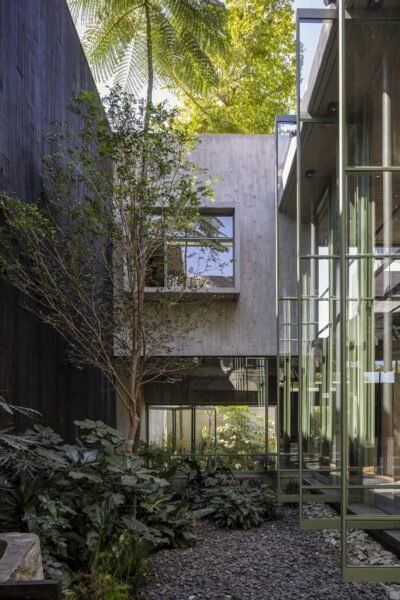
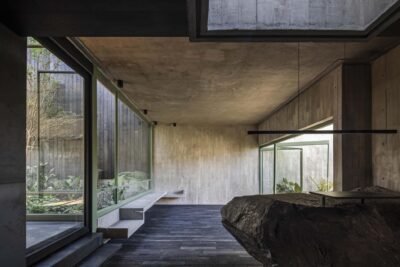
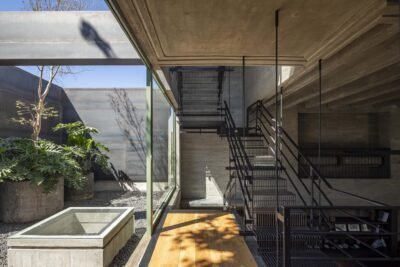
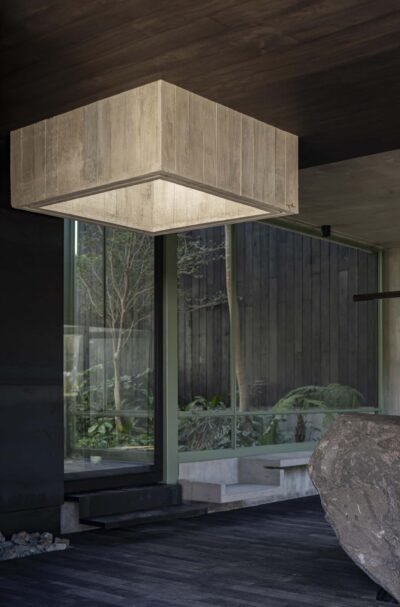
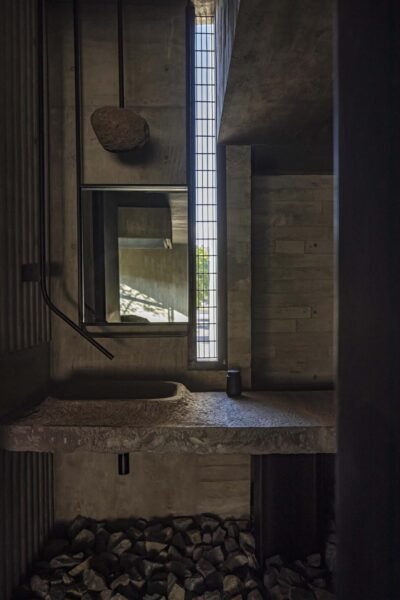
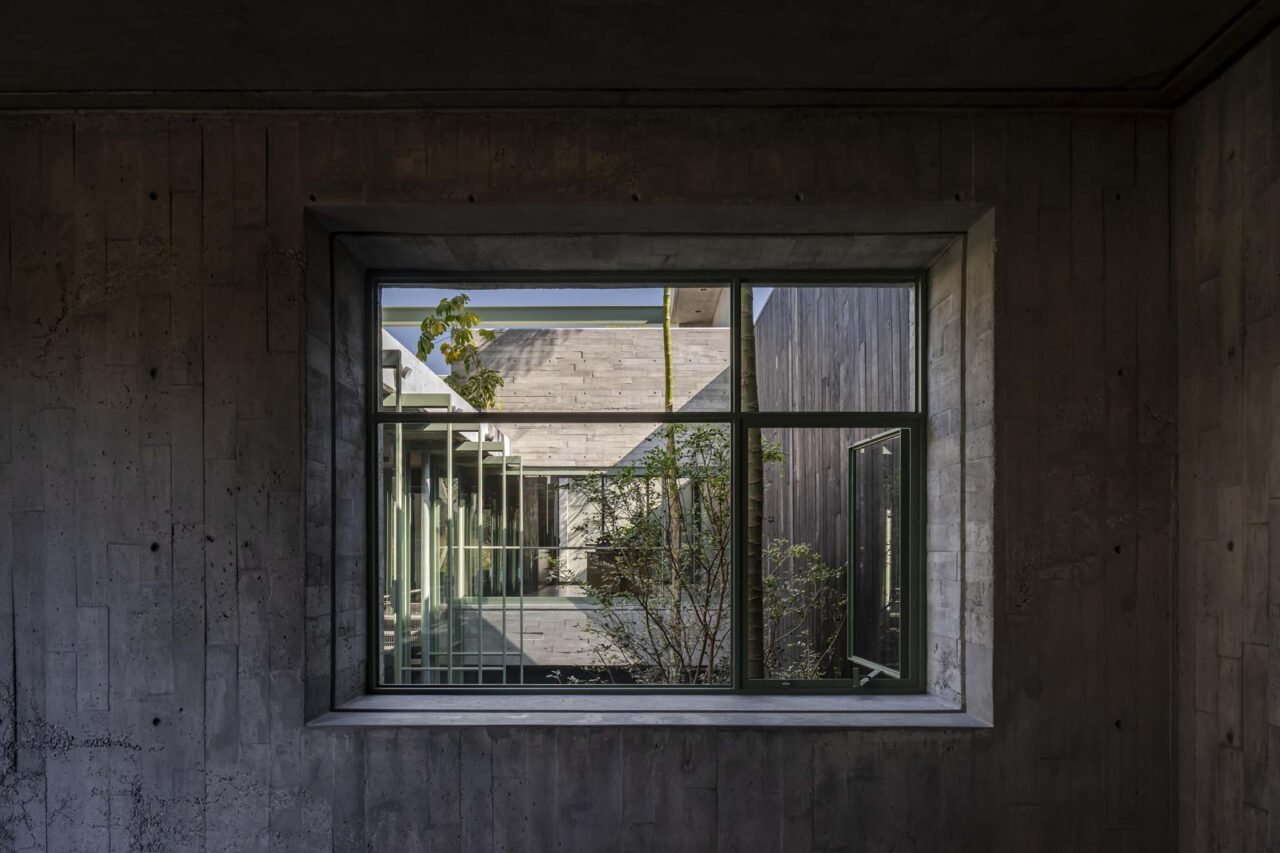
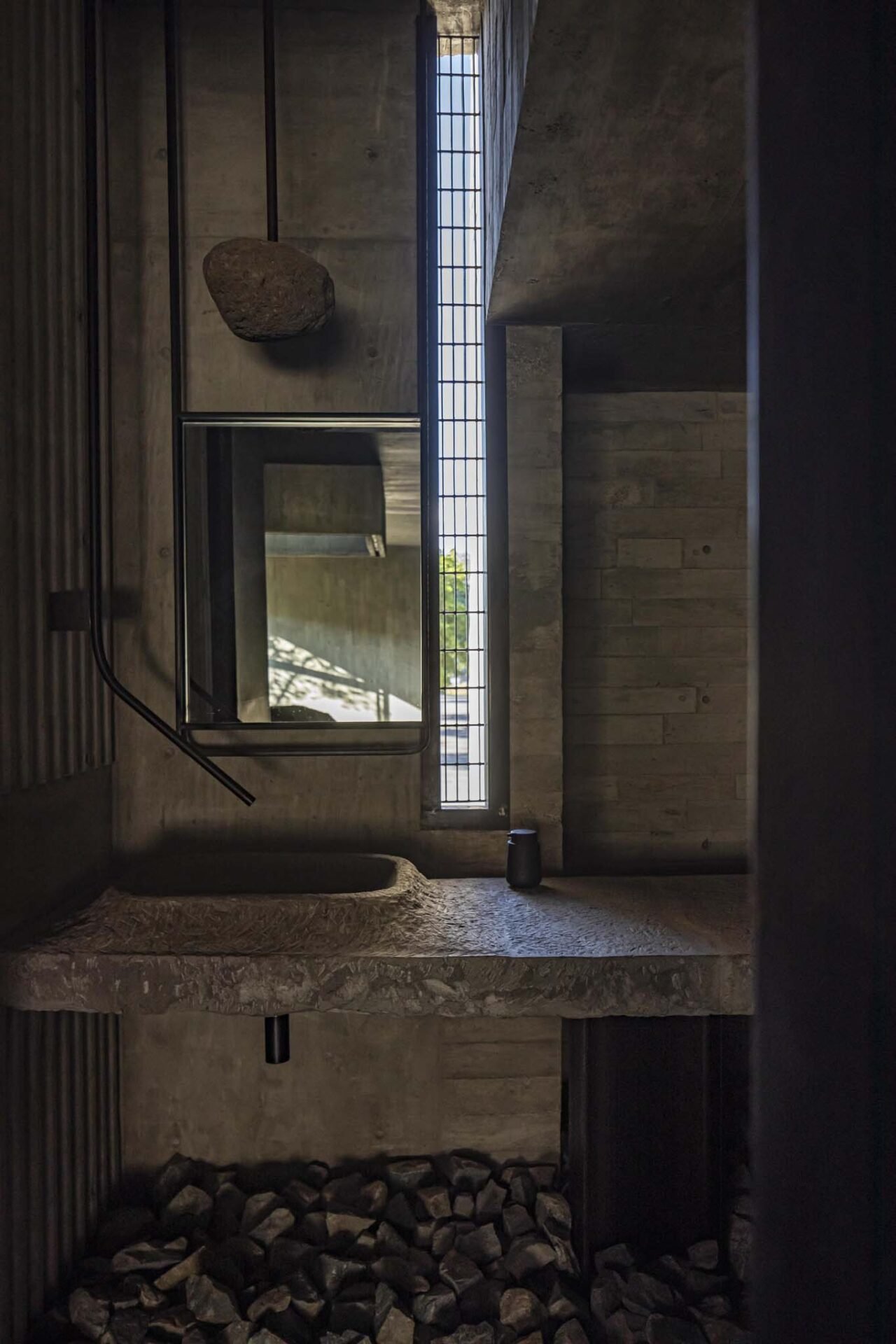
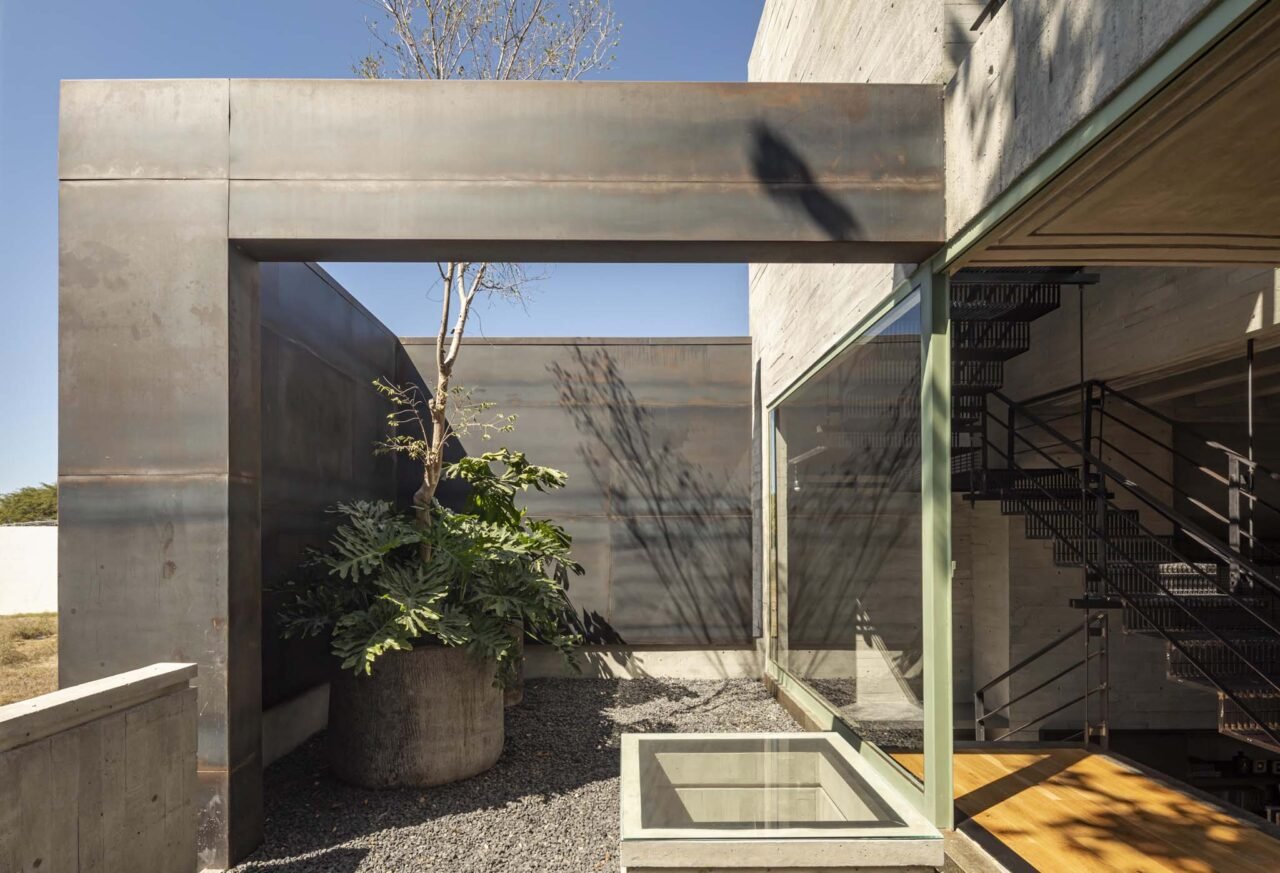
Steel, concrete, charred wood, and stone are used throughout the building. These materials are combined with different textures and finishes to create a layered architectural language that reflects both industrial and natural qualities. The selection of materials also responds to durability and the intention to highlight craftsmanship and construction techniques.
This approach aligns with the studio’s broader design philosophy, which prioritizes clarity of form, material authenticity, and the integration of artisanal knowledge within contemporary architecture.
Interior courtyards and spatial continuity
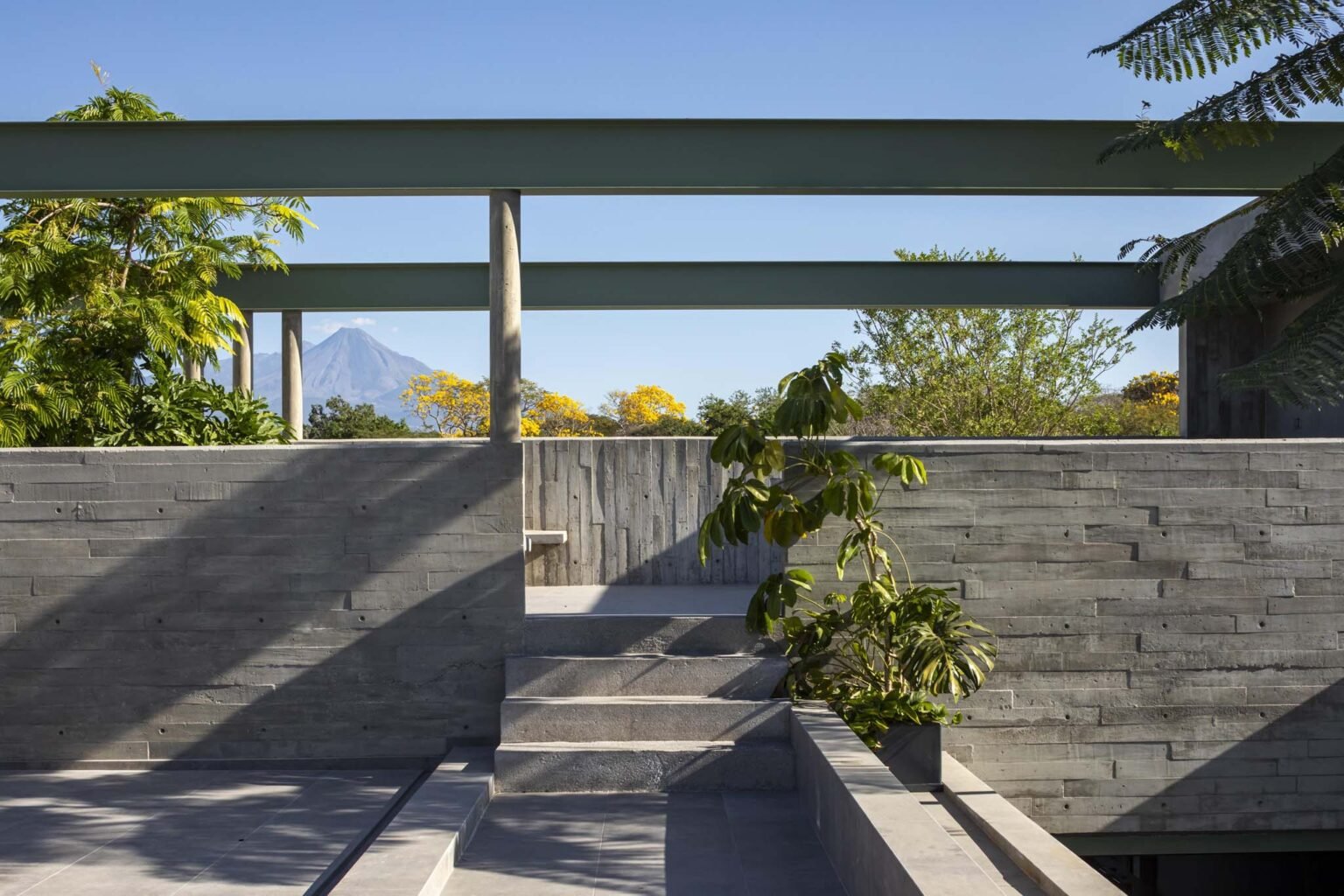
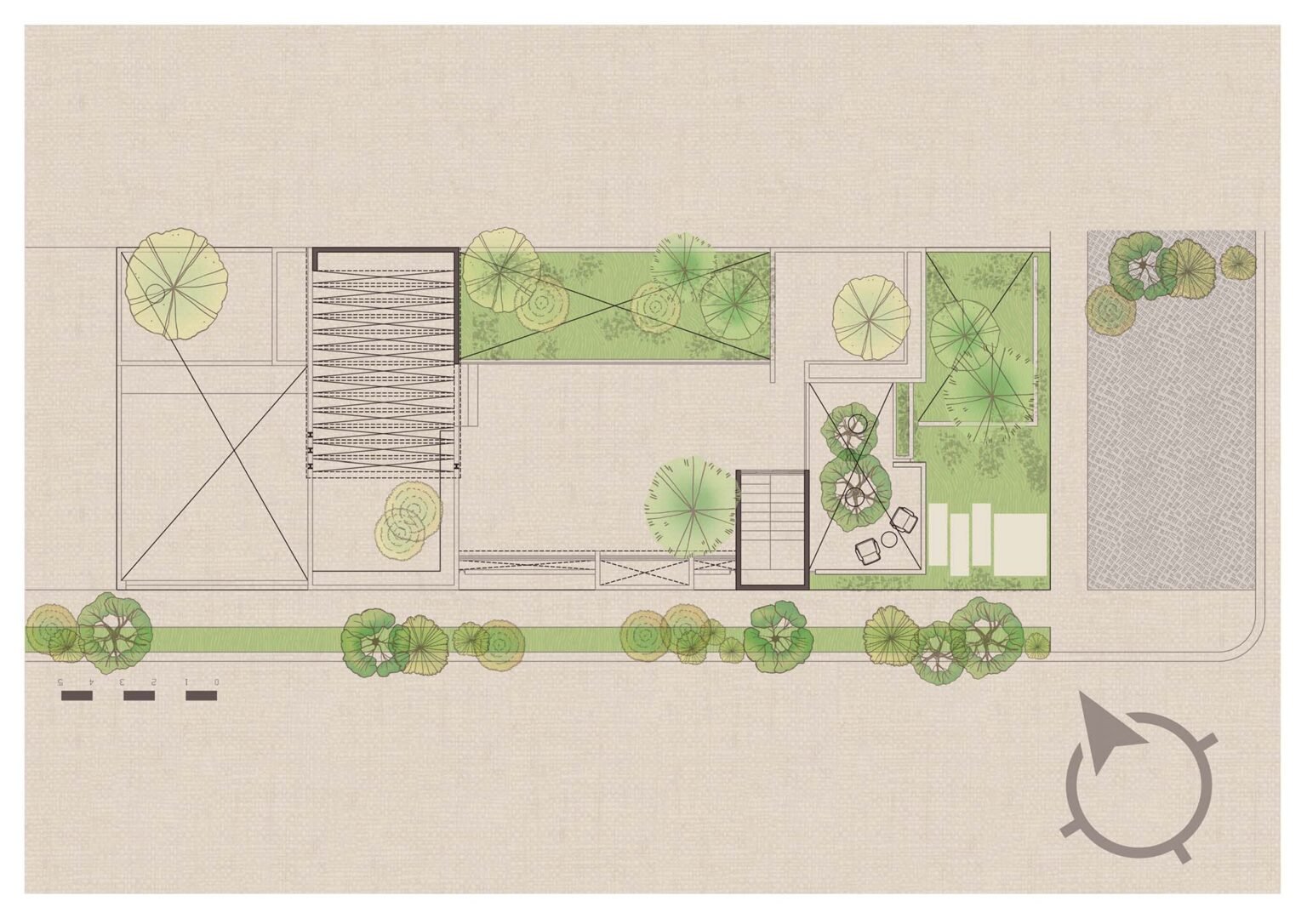
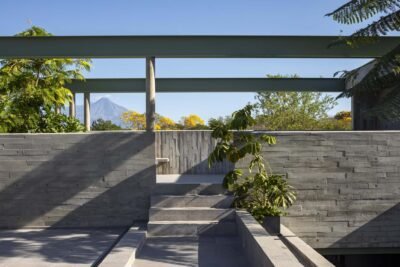
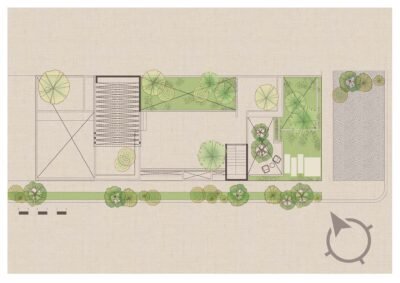
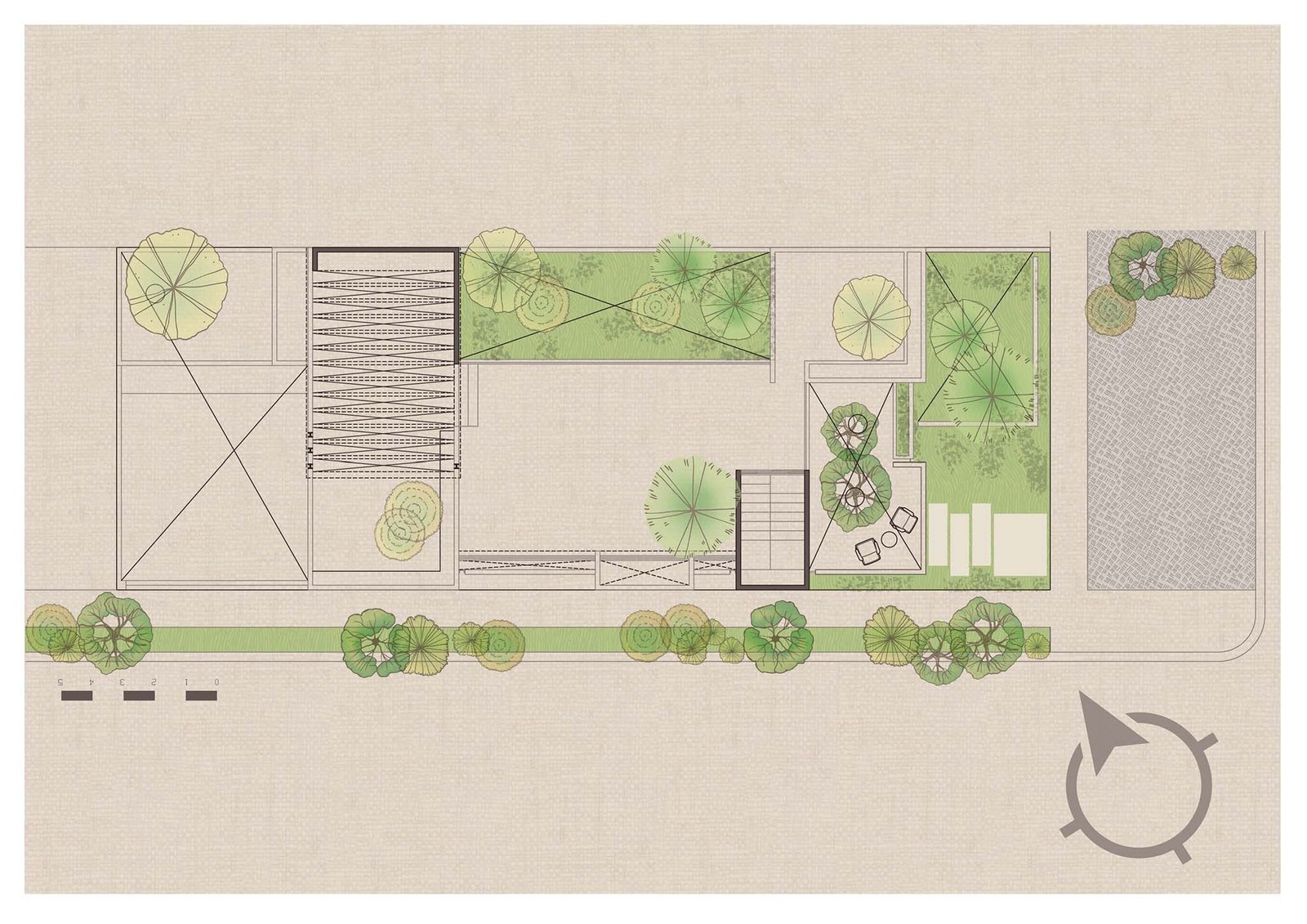
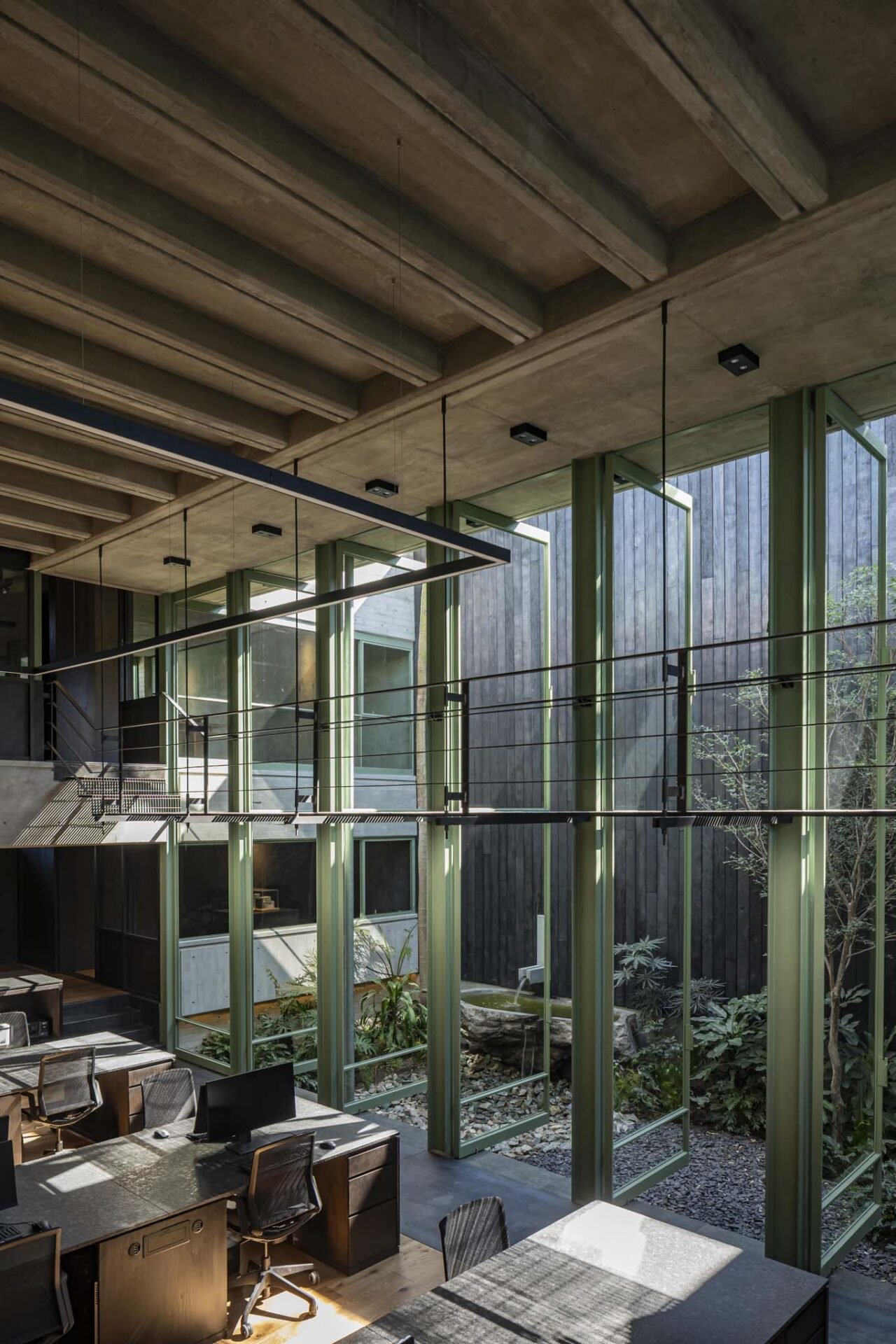
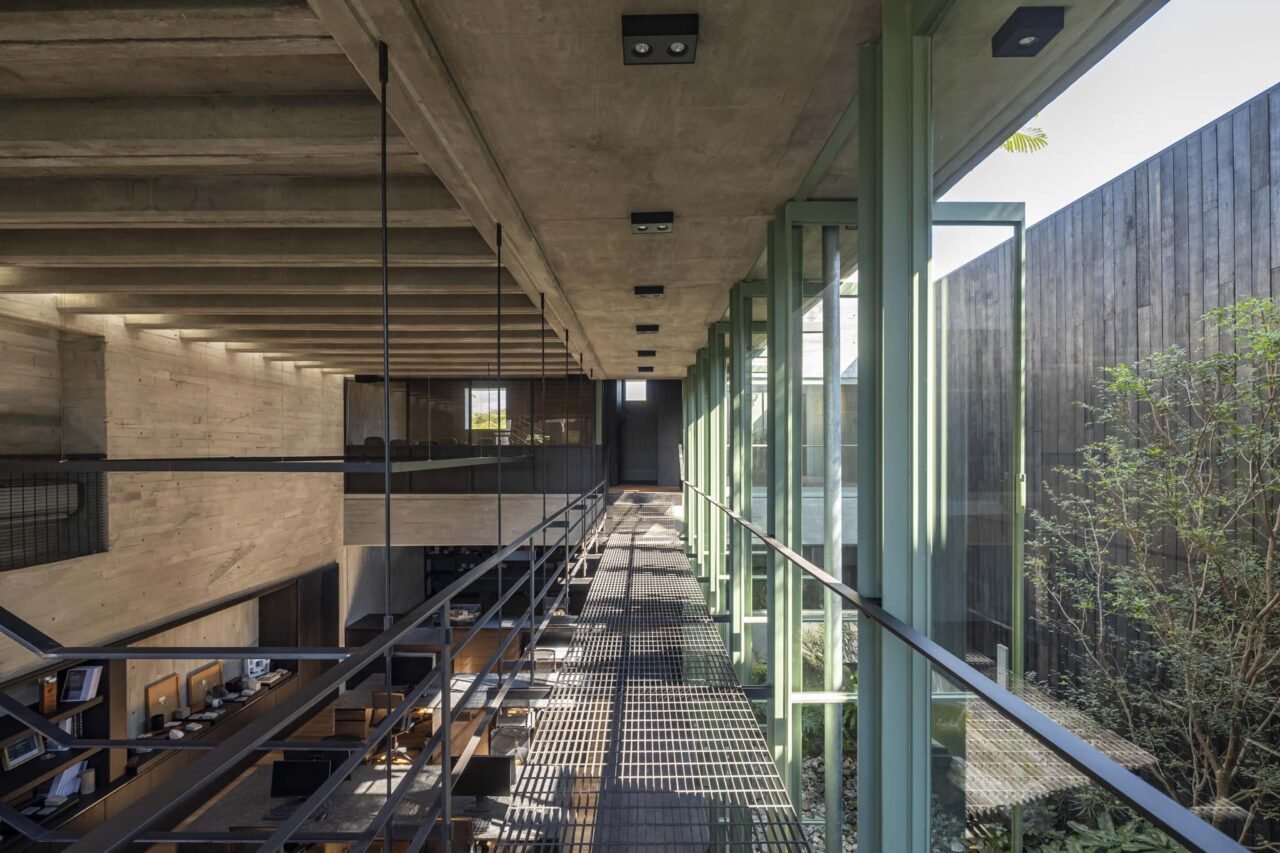
A series of interior courtyards punctuates the building and plays a key role in its spatial organization. These courtyards provide natural light and vegetation in the interior areas, while establishing visual and physical connections between different parts of the building.
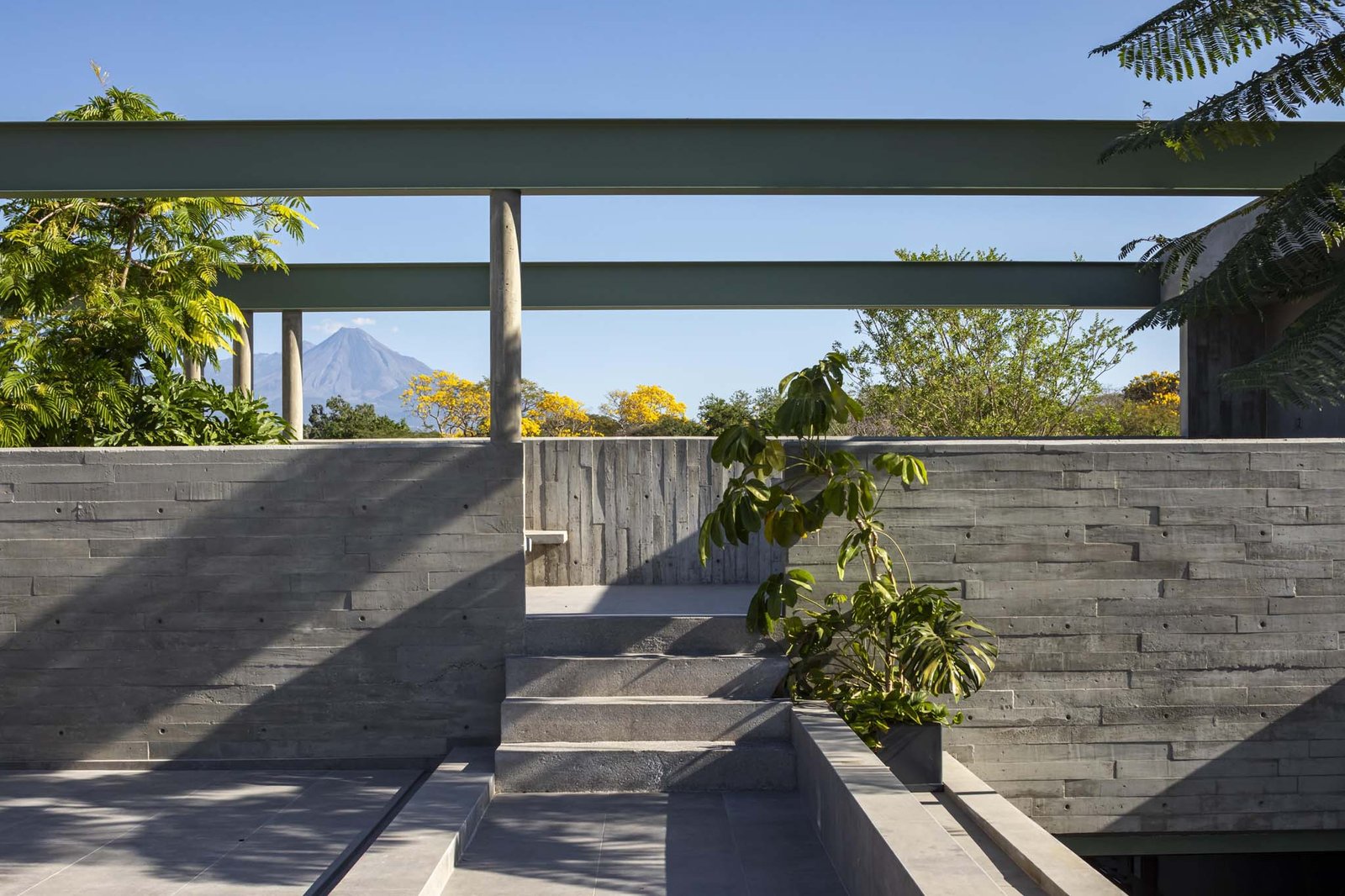
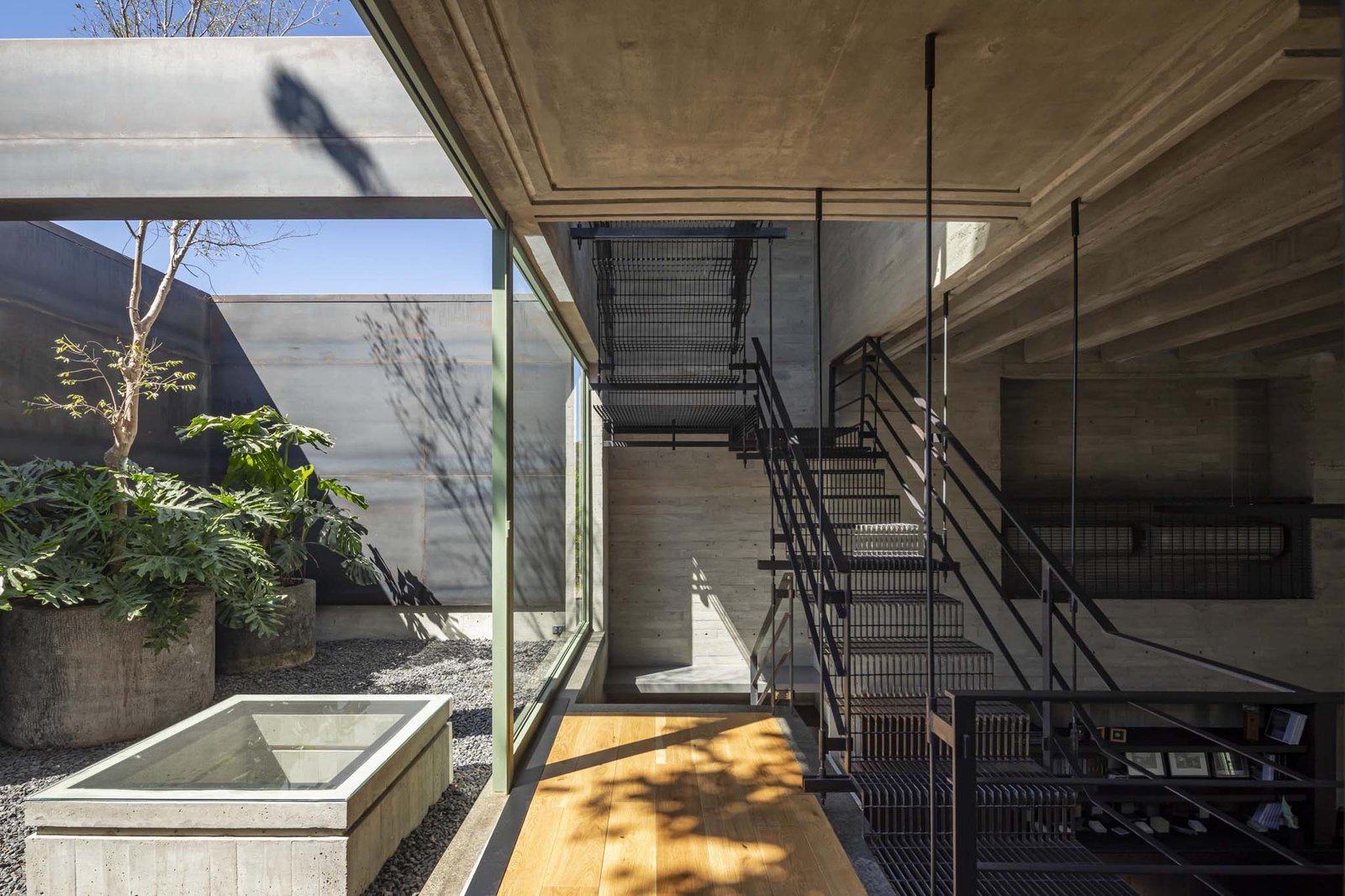
The relationship between interior and exterior spaces creates a gradual transition between built structures and natural elements. Variations in level, light, and shadow contribute to a dynamic spatial experience while reducing the monotony of enclosed office environments.
These open spaces also provide areas for pause and informal interaction, supporting a working atmosphere that encourages reflection and collaboration.
Craftsmanship and construction
The building was developed with the participation of local builders and artisans whose work contributes to its final character. Their craftsmanship is visible in the construction details, surface treatments, and material finishes throughout the project.
This collaboration reflects the studio’s interest in combining contemporary design processes with traditional construction knowledge. The result is a building in which technical precision and manual skill coexist within a unified architectural language.
The architects provided the project description via v2com.
About the Architects
Di Frenna Arquitectos is a multidisciplinary architecture and design studio based in Colima, Mexico, founded and directed by architect Matia Di Frenna. The firm develops residential, commercial, and architectural projects that explore the relationship between contemporary design, material experimentation, and local craftsmanship. The studio’s work focuses on creating functional, clearly defined spaces through expressive materials, geometric volumes, and careful attention to construction details.